GAF vs Owens Corning: Which Roofing Shingles Are Better?

If you are replacing an aging asphalt roof, GAF vs Owens Corning is one of the most useful comparisons to make before requesting quotes. Both manufacturers offer widely available architectural shingles, attractive color choices, and warranty programs that can look impressive on paper. The practical difference usually comes down to the specific shingle line, the installer’s skill, ventilation, roof design, and the final contract price.
My short answer is that neither brand automatically wins. GAF Timberline HDZ is often easy to source and competitively priced, while Owens Corning Duration shingles are known for their strong visual design and popular SureNail installation strip. A properly installed roof from either brand can perform well. A rushed installation can create problems regardless of the logo printed on the bundle.
GAF vs Owens Corning: Comparing the Main Shingle Lines
The most common apples-to-apples comparison is GAF Timberline HDZ versus Owens Corning Duration. Both are laminated architectural asphalt shingles designed to provide a dimensional appearance rather than the flat look of basic three-tab shingles. They are sold in many regional markets and are commonly used on suburban single-family homes.
GAF Timberline HDZ uses LayerLock technology to help align shingle layers and includes a wide nailing area. Its StrikeZone nailing area is designed to make proper fastening easier, but the installer still has to follow the manufacturer’s instructions. Owens Corning Duration uses the SureNail reinforced nailing strip, which is intended to help provide secure fastening and visual alignment.
When considering GAF vs Owens Corning, do not assume that a thicker-looking shingle is automatically stronger. Ask for the exact product name, impact rating if relevant, algae-resistance details, and the manufacturer’s published installation requirements. A quote that simply says “architectural shingles” leaves out information that affects both price and performance.
Price Differences and What Your Quote Really Includes
For many homeowners, GAF vs Owens Corning comes down to the total installed price. A standard architectural shingle replacement can fall roughly in the range of $8,000 to $18,000 for an average-size home, although roof size, pitch, location, tear-off layers, flashing, and disposal can move the number substantially. Premium lines, steep roofs, or extensive decking repairs can push the project above that range.
The shingles themselves are only one part of the bill. A contractor may charge for removing old roofing, replacing damaged plywood, installing underlayment, using starter strips and ridge caps, rebuilding chimney flashing, improving ventilation, and hauling debris away. Two bids using the same brand can differ by several thousand dollars because one includes better flashing and more labor.
A useful GAF vs Owens Corning comparison starts with a line-by-line estimate. Check the number of roofing squares, tear-off charges, synthetic underlayment, ice and water protection, drip edge, ventilation, flashing, permits, cleanup, and warranty registration. If one quote is dramatically cheaper, identify what was omitted before treating it as a bargain.
Appearance, Colors, and Curb Appeal
Both manufacturers offer neutral colors that work with common siding and masonry. GAF Timberline HDZ colors include options such as Charcoal, Weathered Wood, Pewter Gray, and Barkwood, though availability varies by market. Owens Corning Duration is also available in popular shades such as Onyx Black, Estate Gray, Driftwood, and Brownwood in many areas.
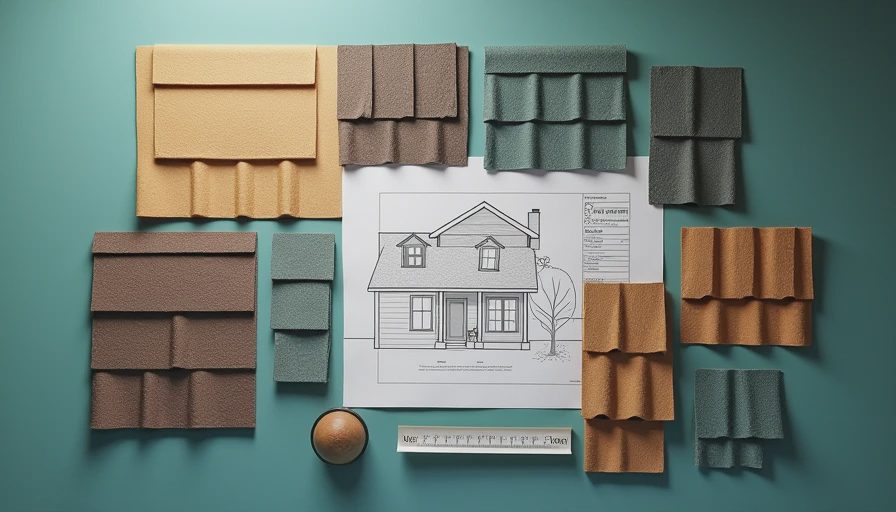
In a GAF vs Owens Corning decision, samples are more reliable than online images. A roof color can look warmer in direct sunlight and cooler under clouds. Bring samples outside and compare them with the siding, gutters, brick, and exterior paint. Dark shingles can make a large roof look more visually compact, while lighter gray or brown blends may hide minor staining and debris better.
Also inspect a full-size installed roof nearby if possible. Small sample boards do not show how repeated color granules and shadow lines will look across several hundred bundles. If resale appeal matters, a restrained color that fits neighboring homes is usually safer than an unusual blend chosen from a tiny brochure square.
Warranty Language Requires Careful Reading
Warranty claims are one of the biggest areas where GAF vs Owens Corning can sound more complicated than it really is. Both brands offer limited warranty coverage, but the length and scope depend on the product, the installation system, and whether the contractor has an eligible manufacturer credential. A longer term does not mean every roof problem is covered for that entire period.
Manufacturer warranties generally focus on defects in the roofing product. They do not automatically cover poor workmanship, inadequate ventilation, storm damage, hail, foot traffic, or changes made after installation. Some enhanced programs combine product coverage with workmanship coverage, but the contractor must meet certification and installation requirements.
Before signing, ask who handles a warranty claim, whether labor is included, what maintenance records are required, and whether coverage transfers to a future buyer. Get the exact warranty name in writing. The contractor’s own workmanship warranty also matters, because installation errors are often the real source of leaks.
Installation Quality Matters More Than the Label
A skilled roofer can install either brand successfully. The crew should use the required number and placement of nails, install starter shingles and ridge caps correctly, protect valleys, and flash wall intersections carefully. They should also inspect the roof deck instead of covering rotten or soft wood without discussing repairs.
This is where a GAF vs Owens Corning comparison should include the contractor, not just the material. Ask how many similar roofs the company completes each year, whether the crew is employed or subcontracted, and who will supervise the work. Look for a physical business address, current insurance documentation, and recent local references. Avoid choosing solely because a salesperson promises a fast start date.
Ventilation deserves special attention. Intake vents at the eaves need to work with exhaust ventilation near the ridge or upper roof. Poor airflow can contribute to heat and moisture problems in the attic, regardless of whether the roof uses GAF or Owens Corning shingles. Have the proposal explain any proposed ventilation changes in plain language.
Which Brand Should You Choose?
For homeowners comparing GAF vs Owens Corning, GAF may be the practical choice when local contractors stock Timberline products, the quote is clearly itemized, and the installer has a strong track record. Owens Corning may be appealing when Duration shingles provide the color, appearance, or contractor package you prefer. Neither choice justifies accepting vague scope or weak workmanship protections.
Request at least three written bids using the same specifications. Ask each roofer to quote the same shingle tier, not one company’s standard line against another company’s premium line. Compare the labor warranty, decking allowance, flashing plan, ventilation work, cleanup, payment schedule, and start-to-finish supervision.
A difference of $500 to $1,500 can be reasonable for better materials or more complete preparation. A much larger difference deserves investigation. The lowest bid can become the most expensive option if it leads to leaks, repeated service calls, interior damage, or an early replacement.
A Simple Checklist Before Signing
Use this checklist when your GAF vs Owens Corning research turns into contractor conversations:
- Confirm the exact shingle series, color, and expected number of squares.
- Verify that tear-off, disposal, underlayment, starter strips, ridge caps, and flashing are included.
- Ask how damaged decking will be priced and approved.
- Request proof of liability insurance and workers’ compensation coverage where applicable.
- Read both the manufacturer warranty and the contractor’s workmanship warranty.
- Confirm payment milestones and keep a written record of change orders.
- Photograph the roof and attic before work begins, especially around known leak areas.
The best roof is not necessarily the one with the most familiar brand name. It is the system that fits your budget, climate, home design, and maintenance expectations, installed by a roofer who is willing to explain every line of the proposal. Compare materials carefully, but give equal attention to fastening, flashing, ventilation, and accountability after the crew leaves.
Keep Reading
Workmanship Warranty: What Homeowners Should Expect From a Roofing Contractor
Workmanship warranty explained for homeowners: learn what roof installation cove...

Roofing Warranties Explained Without the Sales Pitch
Manufacturer warranties cover material defects and are often prorated after the ...
Owner Letters
0 lettersNo letters yet — be the first to write one.