Roof Cost per Square: What Homeowners Should Pay
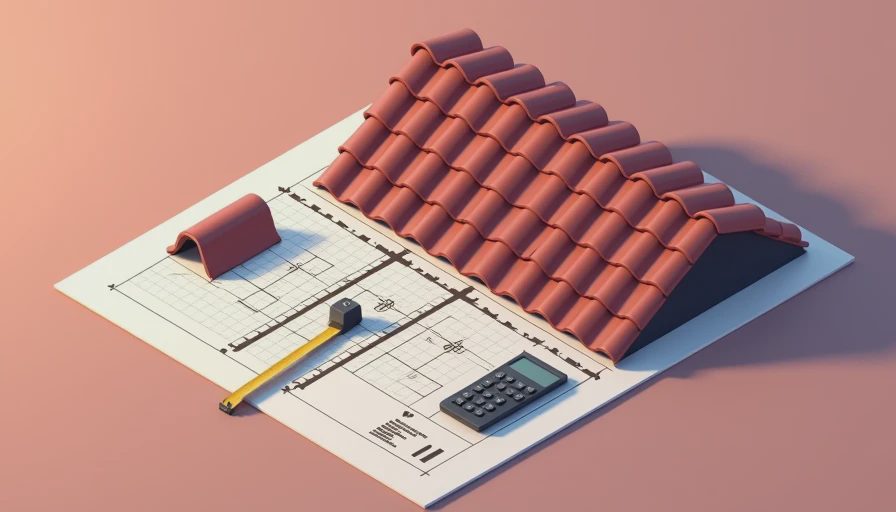
The roof cost per square is one of the fastest ways to compare roofing estimates, but it is not the same as the final project price. A roofing square covers 100 square feet of roof area, and contractors use that unit to price materials, labor, underlayment, flashing, ventilation, and waste. For a typical U.S. home, the installed price can range from roughly $350 to more than $1,500 per square, depending on the material, roof design, region, and condition of the existing roof.
A low number is not automatically a bargain. It might exclude tear-off, decking repairs, permits, starter shingles, ridge caps, or disposal fees. The useful goal is to understand what each square includes, then compare complete quotes rather than headline prices.
How Roof Cost per Square Is Calculated
Contractors first estimate the roof’s surface area, usually from measurements, satellite data, or both. They then add a waste factor for cuts, overlaps, valleys, and damaged materials. A simple gable roof might require 10% waste, while a roof with multiple hips, dormers, and valleys can need 15% to 20% or more.
For example, a house with 2,000 square feet of living space does not necessarily have a 20-square roof. Roof pitch, overhangs, and attached garages change the actual surface area. If the measured roof is 28 squares and the contractor quotes $650 per square, the base installation price is $18,200. Separate charges could still apply for tear-off, plywood, chimney flashing, gutters, or ventilation.
The roof cost per square usually combines several layers of expense. Materials might account for $150 to $500 per square, while installation labor, removal, overhead, and profit make up the rest. Steep slopes and difficult access increase labor because crews need additional fall protection, staging, and time.
Typical Prices by Roofing Material
Three-tab asphalt shingles are generally the least expensive option, although they are less common on premium replacement projects. Installed pricing often falls around $350 to $550 per square, including basic underlayment and standard installation. Architectural asphalt shingles commonly run about $450 to $750 per square and offer a thicker profile, better appearance, and often a longer product warranty.
Standing-seam metal roofing frequently costs about $900 to $1,500 per square installed. Exposed-fastener metal can be less expensive, but fastener maintenance and panel detailing affect long-term performance. Metal is not automatically better for every house; a poor installation around valleys, walls, and penetrations can still cause leaks.
Concrete tile often lands near $800 to $1,300 per square, while clay tile can reach $1,200 to $2,000 or more. Tile is heavy, so the contractor must confirm that the roof structure can support it. Synthetic slate and composite systems vary widely, commonly ranging from $900 to $1,600 per square. Local availability and the installer’s familiarity with the product can move these numbers substantially.
What a Roofing Quote Should Include
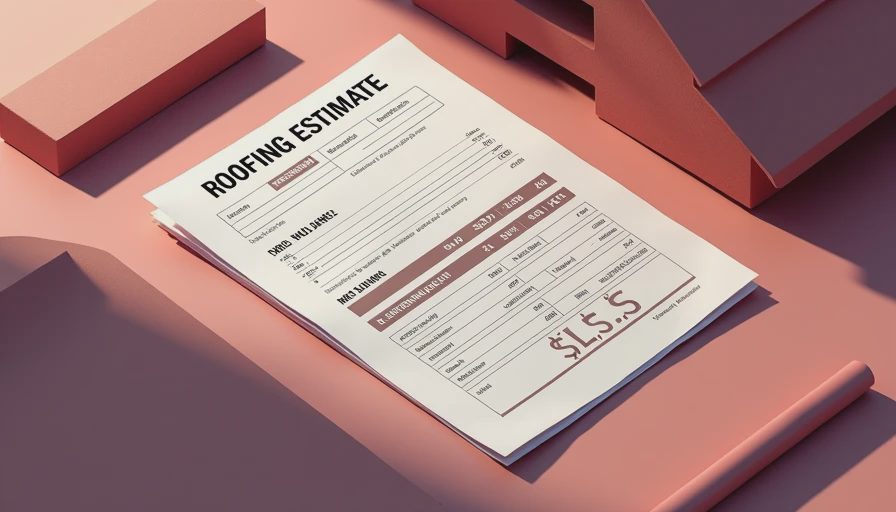
A clean estimate should identify the roof area in squares and list the exact product, color, manufacturer, and installation system. It should also show whether the roof cost per square includes one or two layers of tear-off. Some homes have multiple shingle layers, and removing them can add several thousand dollars to a project.
Look for line items covering synthetic or felt underlayment, ice-and-water protection, drip edge, starter shingles, ridge cap, pipe boots, step flashing, valley treatment, and attic ventilation. These details are easy to overlook because they are not as visually appealing as the shingles, yet many roof failures begin at flashing or ventilation points.
The quote should explain how damaged decking is handled. A contractor may include a small allowance, such as several sheets of plywood, then charge a stated price per sheet beyond that amount. That approach is reasonable when the deck cannot be inspected completely before tear-off. An open-ended phrase such as “wood repairs as needed” deserves clarification before you sign.
Also confirm whether permits, dumpster rental, magnetic nail cleanup, final inspection, and warranty paperwork are included. Two estimates with the same total can represent very different scopes of work.
Why Roof Shape and Location Change the Price
A simple ranch roof with broad, accessible slopes is faster to install than a two-story home with steep gables, skylights, dormers, and several chimney transitions. Each interruption creates additional cutting and flashing. Roof pitch also matters: crews work more slowly on steep surfaces, and some contractors use special pricing for roofs that require extensive harness work.
Geography affects the roof cost per square through labor rates, weather, insurance requirements, disposal charges, and material delivery. Prices in a high-cost metropolitan area can be much higher than prices in a smaller market. Coastal exposure may call for stronger fastening or corrosion-resistant components, while cold-weather regions often require more ice-barrier coverage near eaves and valleys.
Seasonal scheduling can influence quotes, but homeowners should not let a salesperson create artificial pressure. A rushed contract can hide exclusions. Ask how long the estimate remains valid and whether material prices are locked after deposit. A reputable company can explain its schedule without claiming that you must sign immediately.
How to Compare Three Contractor Estimates
Start by putting every proposal into the same categories. Record the number of squares, material grade, tear-off layers, underlayment, flashing, ventilation, decking allowance, cleanup, and warranty. Then compare the total price and the roof cost per square only after the scopes match.
For instance, Contractor A might quote 30 squares at $500, or $15,000, but exclude disposal and plywood. Contractor B might quote 30 squares at $620, or $18,600, while including two-layer removal, upgraded underlayment, ridge ventilation, and a $1,000 decking allowance. Contractor B is not necessarily expensive; the proposals are not equivalent.
Check licensing and insurance requirements in your area, read recent reviews for patterns rather than isolated complaints, and ask who will perform the work. A company that sells the project and then hands it to an unknown subcontractor should explain that arrangement clearly. Ask for a written workmanship warranty and learn whether service calls are handled by the installer or the manufacturer.
Do not choose solely by the lowest roof cost per square. A modest difference in price can buy better flashing, more experienced labor, and cleaner project management.
Ways to Control the Final Roofing Cost
The most effective savings usually come from simplifying the project, not cutting essential components. Choose a readily available architectural shingle instead of a specialty color, schedule flexible work during a contractor’s less busy period, and remove unnecessary decorative upgrades. Bundling gutter or skylight work can also reduce duplicated setup costs, although each task should remain separately priced.
Get the attic ventilation assessed before replacing the roof. Adding intake vents without a balanced exhaust plan does not solve every moisture problem. Likewise, replacing sound plywood simply because it is old wastes money, while ignoring soft or delaminated decking creates a risk beneath the new shingles.
Ask whether your existing gutters, chimney flashing, and skylights should be replaced now or can safely remain. A roofing crew already working on the house may complete related work more efficiently, but the recommendation should be based on condition rather than convenience.
Finally, keep a contingency reserve of about 10% to 15% for hidden decking damage or required code upgrades. You might not spend it, but having the money available prevents a rushed decision during tear-off.
Bottom Line for Homeowners
The roof cost per square is a useful comparison tool, not a complete buying decision. Asphalt usually delivers the lowest entry price, while metal, tile, and synthetic products can offer different durability and appearance advantages at a much higher upfront cost. Installation quality remains central for every material.
Before accepting a bid, verify the measured squares, material specification, tear-off plan, flashing details, ventilation work, decking allowance, cleanup, and warranties. Request at least three itemized estimates and ask each contractor to explain exclusions in plain language. Once the scopes are comparable, the best value is usually the quote that balances competent workmanship, appropriate materials, and a realistic total rather than the smallest number on the page.
Keep Reading

Roofing Labor Cost Per Square: What Homeowners Should Pay
Roofing labor cost per square explained: compare installation rates, quote detai...

Roof Replacement Financing: How to Pay for a New Roof Wisely
Roof replacement financing can spread a large roofing bill over manageable payme...
Roof Replacement Cost Calculator: Build a More Accurate Roofing Budget
Use a roof replacement cost calculator to estimate your realistic budget, compar...
Owner Letters
0 lettersNo letters yet — be the first to write one.