
Roof Replacement Cost Calculator: Build a More Accurate Roofing Budget
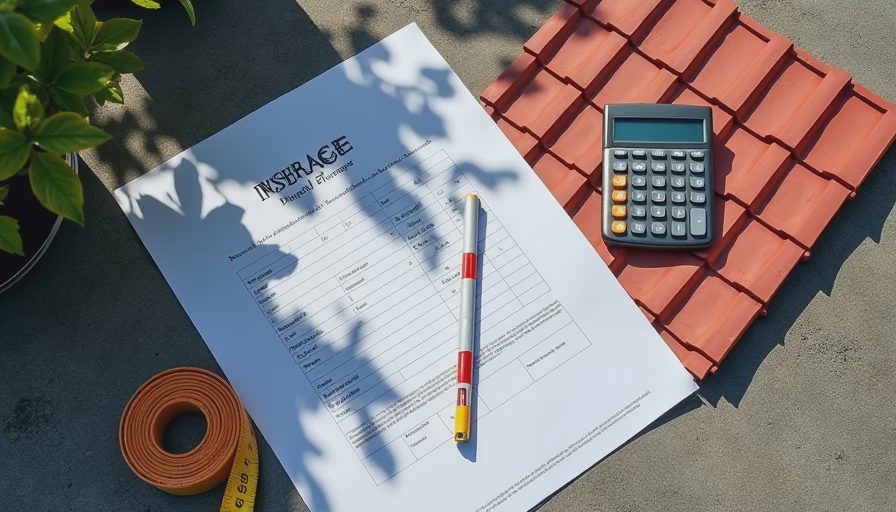
A roof replacement cost calculator gives you a useful starting point before contractors arrive, especially when you are comparing asphalt shingles, metal, tile, or other materials. It will not replace an inspection, but it can show whether a quote is in the range you expected and help you avoid budgeting for the roof surface alone.
The bottom line is simple: a typical U.S. roof replacement can cost anywhere from roughly $8,000 to $25,000 or more, depending on roof size, pitch, material, location, removal requirements, and installation quality. A calculator becomes more useful when you enter realistic details instead of relying only on the square footage of your home.
What a Roof Replacement Cost Calculator Should Include
The roof area is the first input, but it is not the only one. Roofing contractors usually measure in roofing squares, with one square representing 100 square feet of roof surface. A 2,000-square-foot house does not necessarily have a 20-square roof because the roof includes slopes, overhangs, garages, porches, and waste from cutting materials.
A practical roof replacement cost calculator should account for roof pitch and complexity. A simple ranch roof with broad, accessible slopes is cheaper to install than a steep roof with several valleys, dormers, skylights, and intersecting sections. Steep work often requires additional safety equipment and takes longer, which raises labor costs.
You should also include the existing material. Removing one layer of asphalt shingles may add around $1,000 to $3,000 on a moderate home. Multiple layers, wood shake, slate, or roofing materials that require specialized disposal can push removal costs higher. If the decking underneath is soft or damaged, replacing it can add several hundred to several thousand dollars.
Roof edges and ventilation deserve attention too. Drip edge, flashing, ridge vents, intake vents, pipe boots, chimney flashing, and ice-and-water protection are not decorative extras. They help manage water and moisture at vulnerable points. A low estimate that leaves them out can become an expensive change order later.
Material Choices Change the Estimate Quickly
Asphalt architectural shingles are usually the most budget-friendly option for a full replacement. Depending on the region and project details, homeowners often see installed prices in the range of $5 to $9 per square foot. Basic three-tab shingles can cost less, although architectural products are commonly chosen for their appearance and stronger warranty options.
Metal roofing often costs about $9 to $16 per square foot installed, with standing-seam systems frequently landing toward the higher end. Metal can offer long service life and strong resistance to wind and fire, but the installation requires careful detailing. A cheap metal bid is not automatically a bargain if it uses thin panels, poor flashing, or inexperienced labor.
Concrete tile, clay tile, and natural slate can exceed $12 to $30 per square foot installed. These materials may last for decades, but the structure must be able to support their weight and repairs can be specialized. Synthetic slate and composite roofing can provide a similar visual style at a different price point, but product quality varies widely.
When using a roof replacement cost calculator, compare the full installed price rather than the material price alone. A premium shingle might add $1,500 to $4,000 to a project, while a tile upgrade could add many thousands. Ask what the higher price buys: thicker material, longer expected life, better wind rating, improved warranty coverage, or simply a more attractive color.
Labor, Tear-Off, and Decking Are Major Cost Drivers
Materials are visible, but labor is often the largest part of a roofing invoice. Contractors are paying for a crew, safety systems, transportation, insurance, disposal, supervision, and time spent protecting landscaping and siding. In a high-cost metro area, labor can be dramatically higher than in a rural market even when the shingles are identical.
Tear-off costs should be separated from installation in your comparison. A quote that includes only new shingles may look $2,000 or $4,000 cheaper until removal and disposal appear as separate charges. Ask whether the price includes one layer or multiple layers, magnetic nail cleanup, hauling, and final site cleanup.
Decking is another variable. Contractors cannot always know the exact amount of damaged plywood until the old roof is removed. A fair proposal can state a unit price, such as a per-sheet charge for replacement decking. That is better than an open-ended clause allowing any amount without explanation.
The roof replacement cost calculator should also include flashing replacement where appropriate. Reusing old flashing can reduce the initial price, but it may leave weak points behind a new roof. Chimneys, walls, skylights, and roof-to-wall transitions deserve particular scrutiny because leaks often begin there rather than in the middle of a shingle field.
How to Use Estimates Without Fooling Yourself
Start with a conservative estimate. Enter the measured roof area if you have it, then choose the material grade you are seriously considering. Add a contingency of about 10% to 20% for concealed decking damage, extra flashing, permit fees, or repairs that become visible during tear-off. This is not padding; it reflects the limits of estimating an unseen structure.
Next, obtain at least three written proposals. Give each contractor the same specifications, including shingle brand or product line, underlayment, ventilation, flashing, drip edge, cleanup, warranty terms, and payment schedule. Comparing a complete proposal with a bare installation price creates a false impression of savings.
A roof replacement cost calculator can help you identify an unusually low bid. For example, if two complete asphalt proposals are $14,500 and $16,200 while another is $9,300, investigate before celebrating. The low contractor may be excluding tear-off, using a lower-grade product, skipping ventilation work, or relying on a vague allowance for decking.
Ask each roofer how many layers they expect to remove, who performs the work, and how long the project should take in normal weather. Confirm licensing and insurance where required in your area. Product warranties from manufacturers such as GAF, CertainTeed, Owens Corning, and Atlas do not eliminate the need to evaluate the installing contractor.

A Sample Budget for a Mid-Sized Home
Consider a hypothetical 2,000-square-foot ranch with a 24-square roof and one existing layer of asphalt shingles. A budget-conscious architectural shingle project might include $6,500 for shingles and accessories, $5,000 for labor, $1,800 for tear-off and disposal, $1,000 for flashing and ventilation work, and $1,200 for possible decking repairs. That produces a planning total near $15,500 before unusual structural repairs.
A standing-seam metal roof on the same home could cost $22,000 to $35,000 or more. The difference is not just the panels. It can include heavier detailing, specialty tools, longer installation time, upgraded trim, and more expensive flashing. If the metal system lasts substantially longer, the homeowner may accept the higher upfront cost, but the decision should still fit the household budget.
This example is not a quote. It shows why two roofs with the same footprint can have very different totals. Use the roof replacement cost calculator to create a range, then use inspections and written bids to narrow that range.
Questions to Ask Before Signing
Ask whether the estimate includes permits, removal, disposal, starter shingles, ridge caps, underlayment, ventilation, flashing, drip edge, and cleanup. Ask for the exact product names rather than descriptions such as “premium shingles.” Also ask how the contractor handles rotten decking and whether the crew will use a written change-order process.
Clarify workmanship coverage separately from the manufacturer’s material warranty. A manufacturer may cover defective shingles under its terms, while the installer is responsible for application errors. Understand who to contact if a leak appears after the job and whether warranty coverage depends on using a certified contractor.
Finally, do not choose solely on price. A clean installation with properly sealed penetrations, straight courses, correct flashing, and adequate ventilation is usually worth more than a small initial discount. Use the roof replacement cost calculator to set a sensible budget, but use contractor questions and job details to decide where your money should go.
The best replacement plan balances material life, installation quality, repair risk, and cash flow. Once you know your roof size and desired material, request detailed quotes and compare every line item. That process turns a rough online estimate into a decision you can defend.
Keep Reading
How Much Does a New Roof Cost? A Homeowner's 2025 Guide
How much does a new roof cost? See realistic U.S. price ranges, material compari...
Metal Roof Cost: A Homeowner's Guide to Pricing, Materials, and Installation
Metal roof cost often ranges from $9,000 to $36,000 for a typical home. Learn wh...

Roof Replacement Cost: A Homeowner's Guide to Materials, Labor, and Quotes
Roof replacement cost explained: compare shingles, metal, tile, labor, warrantie...
Owner Letters
0 lettersNo letters yet — be the first to write one.