How Much Does a New Roof Cost? A Homeowner's 2025 Guide
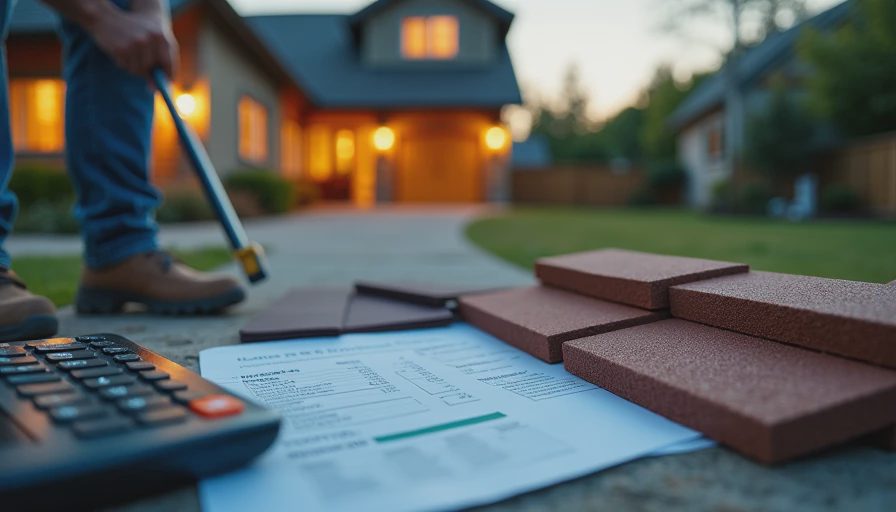
If you are asking how much does a new roof cost, the practical answer is usually between $9,000 and $25,000 for a typical U.S. home, though smaller projects can cost less and premium materials can push the bill beyond $40,000. The number depends on roof size, material, pitch, access, local labor rates, tear-off requirements, and the condition of the decking underneath.
A roofing quote is not priced by your home's square footage alone. Roofers measure roofing squares, with one square equal to 100 square feet of roof surface. A 2,000-square-foot house may have 20 roofing squares, or it may require 28 squares because of a steep roof, multiple gables, and overhangs. That distinction explains why online calculators often produce surprisingly low estimates.
Typical new roof prices by material
For many homeowners, asphalt shingles offer the most predictable starting point. Architectural asphalt shingles commonly cost about $5,500 to $15,000 installed for an average-sized home. Basic three-tab shingles can be cheaper, while designer or impact-resistant shingles can raise the project toward $18,000 or more. Asphalt is popular because installation is familiar, replacement materials are widely available, and repairs are generally straightforward.
Metal roofing usually costs about $10,000 to $30,000 installed, depending on whether you choose exposed-fastener panels, standing-seam metal, or metal shingles. Standing-seam systems often cost more initially but provide a clean appearance and strong durability when installed correctly. Copper and high-end zinc are specialty choices that can exceed $40,000 on a substantial home.
Wood shakes, synthetic composite roofing, clay tile, and concrete tile occupy different price ranges. Wood shakes may run $12,000 to $30,000, while tile commonly ranges from $15,000 to $35,000 or more. Synthetic products can imitate slate or shake without the same structural weight, but their warranties and installation requirements differ by manufacturer. Material selection should account for climate, roof structure, maintenance, and expected ownership period rather than appearance alone.
How roof size and design change the estimate
One of the fastest ways to understand how much does a new roof cost is to look at complexity. A simple ranch roof with broad, accessible slopes is cheaper to install than a roof with dormers, valleys, skylights, chimneys, and several changes in pitch. Each penetration requires careful flashing, and each valley increases cutting and installation time.
Steep roofs also cost more because workers need additional fall protection, staging, and setup time. A roof that is difficult to access may require special equipment or more labor hours. Nearby trees, narrow driveways, limited parking, and landscaping that needs protection can affect the contractor's estimate as well.
Roofers typically price labor and materials by the roofing square. However, waste is added for cuts and pattern matching. A straightforward roof may have relatively little waste, while a complicated roof using dimensional shingles or tile may require considerably more. Ask each contractor how many squares are included and whether the estimate includes waste, delivery, cleanup, and disposal.
The hidden costs beneath the shingles
A roof replacement is more than removing old shingles and installing new ones. If the existing roof has one or two layers, the contractor may need to tear them off before installing the replacement. Tear-off and disposal often add roughly $1,000 to $4,000, depending on roof size, local dump fees, and the number of layers.
Damaged roof decking is another common surprise. Decking supports the underlayment and shingles, and soft or rotten sections should be replaced rather than covered. Many contractors include a small allowance, such as a few sheets of plywood, in the quote. Additional replacement may cost about $75 to $150 per sheet installed, although prices vary with access and local labor.
Other line items can include new drip edge, ice and water shield, synthetic underlayment, ridge vents, pipe boots, flashing, chimney work, and upgraded ventilation. These components are not decorative extras. Proper ventilation can help control heat and moisture in the attic, while reliable flashing protects the areas most likely to leak.
What a fair roofing quote should include
When comparing estimates, focus on scope rather than the bottom-line number alone. A complete quote should identify the material brand and product line, shingle or panel color, number of layers to remove, underlayment, flashing, ventilation, ridge cap, permits, cleanup, and warranty terms. It should also state whether the contractor will replace damaged decking at a defined per-sheet price.
Ask whether the quote covers magnetic nail cleanup, haul-away, and protection for siding, windows, plants, and driveways. A low bid that excludes disposal or ventilation can become expensive after work begins. The best quotes are specific enough that two contractors are pricing essentially the same job.
Manufacturer warranties and workmanship warranties are separate. A shingle manufacturer may provide limited coverage for product defects, while the roofer controls the workmanship guarantee. Read the exclusions and transfer rules. A long material warranty does not compensate for poor installation, inadequate flashing, or incorrect ventilation.

How location and timing affect roof costs
Regional labor rates make a noticeable difference in how much does a new roof cost. Roofing in a high-cost metro area generally costs more than comparable work in a rural market. Local building permits, disposal fees, insurance requirements, weather conditions, and demand all influence the final estimate.
Timing can matter too. A contractor with an open schedule may offer a sharper price during a slower season, but a suspiciously cheap bid is not automatically a bargain. Ask why the price is lower. The difference could reflect fewer crews, lower-grade materials, missing permit fees, or an incomplete tear-off plan.
Emergency replacements after wind or hail damage can cost more because homeowners have less time to compare contractors. If the roof is still watertight, arrange inspections and collect at least three written bids. If an insurer is involved, understand that coverage depends on the policy, cause of damage, deductible, and adjuster's findings; normal wear is commonly treated differently from a covered storm loss.
Ways to control the project budget
The easiest savings usually come from simplifying the project without cutting installation quality. Choose a readily available architectural shingle instead of a specialty color, reduce unnecessary roof penetrations during other remodeling work, and schedule replacement before leaks damage insulation, drywall, or framing. Preventive maintenance can also extend the useful life of an aging roof by addressing flashing and ventilation problems early.
Do not automatically choose the cheapest material. If you expect to stay in the house for 20 years, a longer-lasting metal or composite system may make sense despite a higher upfront cost. Conversely, an asphalt roof can be a sensible choice when the home may be sold soon, the budget is tight, or the local market strongly favors standard shingles.
Before signing, verify the contractor's license requirements, insurance certificates, references, payment schedule, and written change-order process. Avoid paying the entire balance upfront. A modest deposit followed by progress payments tied to delivered materials and completed work gives both sides clearer protection.
A practical answer for your home
So, how much does a new roof cost in real terms? Budget around $8,000 to $18,000 for many standard asphalt replacements, $12,000 to $30,000 for common metal systems, and $15,000 to $40,000 or more for tile, slate-style, or premium roofing. Your roof's measured area and construction details matter more than the home's listed square footage.
Start by getting an inspection, then request three detailed quotes using the same material and scope. Compare the contractor's plan for flashing, ventilation, decking, cleanup, and warranty—not just the headline price. A well-installed midrange roof is usually a better investment than premium material installed over hidden damage or rushed preparation. That process gives you a realistic answer to how much does a new roof cost and helps prevent an affordable-looking quote from becoming an expensive mistake.
Keep Reading
Metal Roof Cost: A Homeowner's Guide to Pricing, Materials, and Installation
Metal roof cost often ranges from $9,000 to $36,000 for a typical home. Learn wh...
Roof Replacement Cost: A Homeowner's Guide to Materials, Labor, and Quotes
Roof replacement cost explained: compare shingles, metal, tile, labor, warrantie...
The Real Cost of Delaying a Needed Roof Replacement
Postponing a necessary roof replacement often costs more than acting on time. In...
Owner Letters
0 lettersNo letters yet — be the first to write one.