Metal Roof Cost: A Homeowner's Guide to Pricing, Materials, and Installation
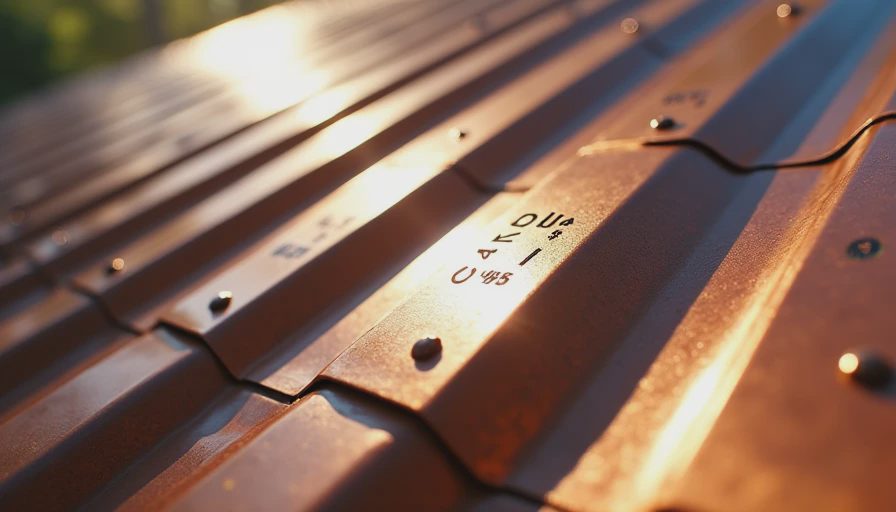
The bottom line on metal roof cost is simple: many U.S. homeowners spend about $9,000 to $36,000 for a professionally installed roof, with larger or more complex homes costing more. That wide range is not a pricing trick. It reflects differences in roof size, panel type, metal thickness, underlayment, tear-off work, flashing, labor rates, and local building requirements.
A small ranch house with a straightforward gable roof might receive a quote near $10,000, while a large two-story home with several valleys, dormers, skylights, and a steep pitch could exceed $30,000. Before comparing contractors, learn which parts of the project are driving the number. A low quote can look attractive until you discover that it excludes old-roof removal, ridge vents, chimney flashing, or permit fees.
Typical Metal Roof Cost by Material
The material you choose has a major effect on metal roof cost. Galvanized or galvalume steel is usually the budget-friendly starting point. Installed prices commonly fall around $7 to $14 per square foot, although local labor and roof complexity can move that range. Steel panels are popular because they offer good durability without the premium price of higher-end metals.
Aluminum often costs about $9 to $16 per square foot installed. It is lightweight and naturally resistant to corrosion, making it useful in coastal areas or locations where salt exposure is a concern. Aluminum can dent more easily than thicker steel, so the panel profile and installation quality matter.
Standing-seam steel generally costs more than exposed-fastener panels because the fasteners are concealed and the seams are designed for longer-term weather resistance. Copper and zinc are luxury materials. Their installed prices can reach $20 to $40 or more per square foot, depending on design and availability. They can last for decades, but they are rarely the economical choice for a standard replacement.
Painted finishes also affect the price. Basic colors are often included in a contractor's standard package, while specialty colors, premium coatings, or custom orders can add several hundred to several thousand dollars. Ask whether the quote identifies the coating system and warranty rather than simply saying “lifetime finish.”
How Roof Size and Design Change the Quote
Roofing contractors price by the roofing square, with one square equal to 100 square feet of roof surface. A 2,000-square-foot house does not necessarily have a 2,000-square-foot roof. The actual roof area includes slopes, overhangs, garages, porches, and waste allowance. A home with a steep roof may have considerably more surface area than its floor plan suggests.
Roof pitch is another important factor. A steep roof requires additional fall protection, staging, and labor. Multiple valleys and hips require careful cutting and extra flashing. Skylights, chimneys, solar panels, satellite mounts, and rooftop HVAC equipment can increase both labor time and leak risk. In practical terms, the more interruptions a roof has, the less useful a simple per-square-foot estimate becomes.
Tear-off work can add $1,000 to $4,000 or more. Metal roofing is sometimes installed over an existing shingle roof when the structure and local rules allow it, but the contractor must inspect the deck and use an appropriate underlayment system. Covering a damaged deck without repairing it is a false saving. If the wood underneath is rotten, expect additional charges for replacement.
What Should Be Included in a Metal Roofing Quote?
A useful quote should describe the roof system, not just the visible panels. Look for the panel profile, gauge or thickness, finish, underlayment, ice-and-water protection, fasteners, trim, flashing, ventilation, cleanup, disposal, and warranty terms. The proposal should also state whether the contractor will remove gutters, detach and reset downspouts, or work around solar equipment.
This is where metal roof cost comparisons often go wrong. One contractor may quote a complete standing-seam system with high-temperature underlayment, while another prices a basic exposed-fastener panel over the existing shingles. The second number may be thousands lower but is not comparing the same product.
Ask for separate line items for deck repairs, chimney flashing, permits, and unexpected conditions. A reasonable contract can include a process for approving hidden repairs before work continues. Avoid signing a proposal that gives the contractor unlimited authority to add charges without documentation or a stated price range.
Warranty language deserves careful attention. A manufacturer's finish warranty is not the same as a workmanship warranty. The first generally addresses premature coating failure; the second covers installation problems. Find out how long workmanship coverage lasts, who handles callbacks, and whether the warranty transfers if you sell the home.
Is a Metal Roof Worth the Higher Upfront Price?
Metal roofing can cost substantially more than basic architectural asphalt shingles, which often makes the initial comparison uncomfortable. However, a well-installed metal system can last 40 to 70 years or longer, while asphalt shingles commonly require replacement sooner. The value depends on how long you plan to own the house and whether the installation is done correctly.
Metal panels can also resist wind, fire, and weather exposure well when the selected system is appropriate for the home. They are lighter than many tile or slate roofs, and some products carry high-impact or cool-roof ratings. Energy savings should not be treated as a guaranteed payback, though. Attic insulation, ventilation, color, sun exposure, and climate all influence actual performance.
The biggest financial risk is not always the material. Poorly placed fasteners, inadequate expansion details, badly cut valleys, and weak flashing can cause leaks on an expensive roof. Spending $4,000 more on a better panel will not fix careless installation. A qualified roofer with strong references is usually a better investment than the lowest material price.
Ways to Control Metal Roof Cost Without Cutting Corners
Start by requesting at least three detailed quotes during the same season. Give each contractor the same information and ask them to price the same scope. Compare total project cost, not just the panel price. A quote that includes a full tear-off and new ventilation may be the better deal even if its headline number is higher.
Choose a simple panel profile if appearance and long-term performance meet your needs. Exposed-fastener steel can reduce metal roof cost on agricultural buildings, garages, and some budget-conscious homes, but fasteners and washers eventually need inspection or replacement. Standing seam is usually a stronger choice for homeowners prioritizing clean appearance and reduced exposed-fastener maintenance.
Plan the work before the roof becomes an emergency. A contractor may have more scheduling flexibility when you are replacing an aging roof rather than responding to active leaks. You can also budget for deck repairs, upgraded flashing, and ventilation instead of accepting rushed substitutions.
Do not automatically remove every accessory to save money. Cutting out intake ventilation or using thin trim can create problems that cost more later. Save through design simplicity, accurate measurements, and competitive bidding rather than by deleting essential parts of the roof assembly.
A Practical Checklist Before You Sign
Confirm the measured roof area and ask how waste was calculated. Make sure the contract names the exact product, color, panel profile, metal type, and finish. Verify that underlayment, drip edge, valley metal, pipe boots, ridge caps, and wall flashing are included. If the home has a chimney or skylights, confirm that those details are priced specifically.
Check the contractor's license and insurance requirements for your area, and request current references for comparable metal projects. Look at completed roofs after several seasons if possible. Ask who will perform the work, whether subcontractors are involved, and how weather delays will be handled.
Finally, confirm payment terms. A modest deposit is common, but be cautious about paying the full metal roof cost before materials arrive and work is completed. Keep written records of approved changes, photographs of the deck before panels are installed, and final warranty documents.
The right metal roof is a long-term building decision, not simply a premium version of shingles. Use the quote to compare the entire system, installation plan, and expected service life. When the scope is clear and the workmanship is dependable, metal roof cost becomes easier to judge—and far less likely to produce an expensive surprise.
Keep Reading
Roof Replacement Cost: A Homeowner's Guide to Materials, Labor, and Quotes
Roof replacement cost explained: compare shingles, metal, tile, labor, warrantie...
The Real Cost of Delaying a Needed Roof Replacement
Postponing a necessary roof replacement often costs more than acting on time. In...

10 Red Flags in a Roofing Estimate Before You Sign Anything
Vague totals, missing material brands, open-ended decking costs, high upfront de...
Owner Letters
0 lettersNo letters yet — be the first to write one.