
The Real Cost of Delaying a Needed Roof Replacement
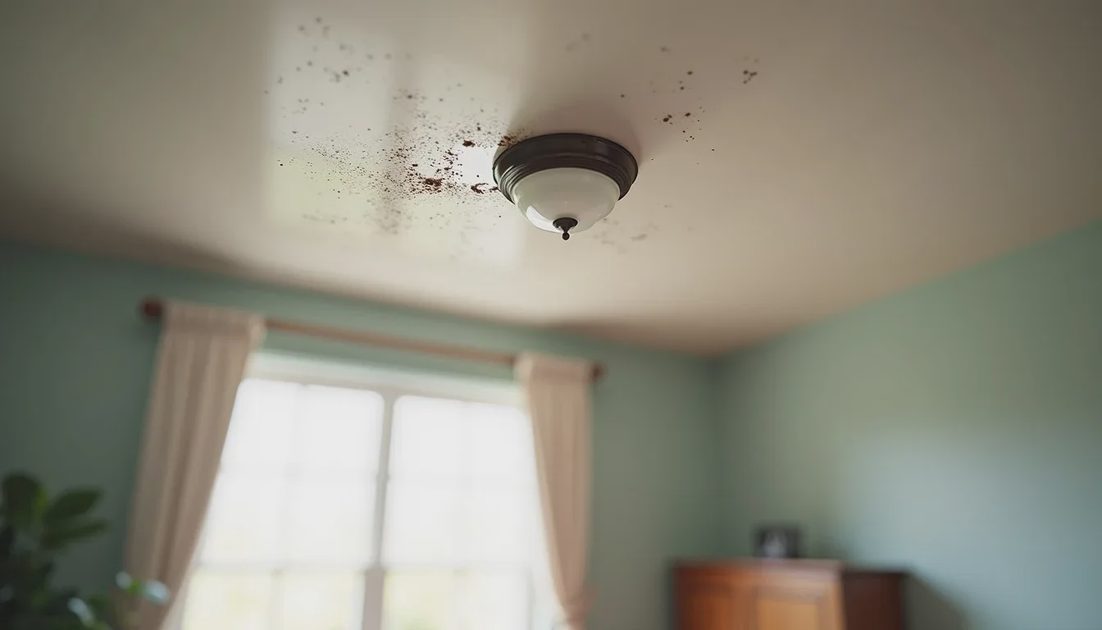
When a roof begins to show its age, the first instinct is often to wait. A few missing shingles, some staining in the attic, or a minor leak after a heavy rain can feel manageable. Temporary patches and “one more year” thinking are common. The difficulty is that roofing problems rarely stay static. Once the system is past reliable service life, the costs of waiting compound in several directions at once.
Direct Damage Costs That Accumulate
Interior Water Damage
Even small, intermittent leaks stain drywall, damage insulation, and create conditions for mold. Repairing ceilings, walls, and insulation after repeated moisture intrusion often costs more than the original roofing shortfall that caused the problem. The longer active leaks continue, the higher the probability of structural wood damage and elevated indoor humidity issues.
Decking and Structural Deterioration
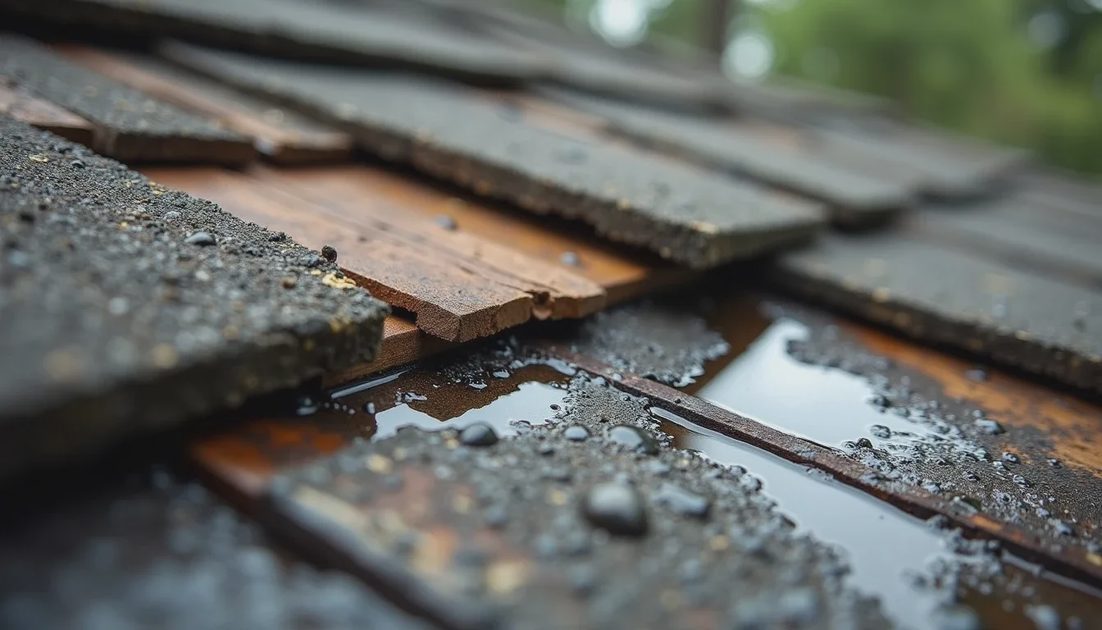
Prolonged moisture softens plywood or OSB sheathing. What might have been a limited number of sheet replacements during a timely tear-off can become widespread decking work once the roof has leaked for multiple seasons. Soft decking also reduces the holding power of fasteners, making the entire system less secure.
Secondary Exterior Damage
Chronic leaks at eaves and walls can damage fascia, soffits, and exterior cladding. Gutters pulled away by ice dams or saturated debris add further repair items that would have been unnecessary on a sound roof.
Pricing and Scheduling Consequences
Emergency and Off-Season Premiums
A roof that fails during a storm or in the middle of rainy season often requires emergency tarping, temporary repairs, and accelerated scheduling. Crews charge more for urgent response, and material availability can be tighter. Planned work in normal seasons almost always costs less than crisis work.
Material and Labor Inflation
Roofing material and labor prices have trended upward over multi-year periods. Waiting two or three years can mean paying noticeably more for the same scope simply because of market movement. The “savings” of delay are frequently erased by higher unit costs later.
Limited Contractor Availability
After major hail or wind events, reputable local contractors book out for weeks or months. Homeowners who waited until failure may find themselves choosing between long delays and less-vetted crews. Those who scheduled while the roof was still functional retain more control over timing and quality.
Insurance and Underwriting Effects
Many insurers apply stricter underwriting to older roofs. Some limit coverage, raise premiums, or decline to renew once a roof passes a certain age threshold—regardless of current leaks. A documented, recently replaced roof generally improves insurability. A roof that has already produced claims can lead to higher deductibles, exclusions, or non-renewal.
Delaying replacement until after a claimable event sometimes produces a different problem: the insurer may pay only for the damaged portion, leaving the homeowner to fund the rest of an aging system that still needs full replacement.
The Cost of Repeated Temporary Fixes
Multiple service calls for patches, pipe-boot replacements, and localized shingle work add up. Each visit carries a minimum charge. Over two or three years these smaller invoices can approach a significant fraction of a full replacement while still leaving the homeowner with an old roof. Temporary measures also rarely address underlying ventilation, underlayment, or decking issues.
A Practical Cost Comparison Framework
Consider two paths for a roof that has reached the end of reliable service:
Path A – Timely replacement
Planned tear-off and new system
Known scope and competitive bids
Ability to choose materials and contractor carefully
Lower risk of interior damage
Cleaner insurance position afterward
Path B – Delay until failure
Temporary repairs and monitoring costs
Potential interior remediation
Possible emergency rates and limited contractor choice
Higher likelihood of extensive decking replacement
Insurance friction or claim history
In most documented cases the total cash outlay under Path B exceeds Path A, sometimes by a wide margin once interior work and urgency premiums are included. The difference is not theoretical; it appears in actual invoices for drywall, insulation, mold treatment, and expedited labor.
When Limited Delay Is Reasonable
Not every aging roof requires immediate action. A roof with only cosmetic wear, no active leaks, sound decking, and a few years of realistic life remaining can often be monitored through one more season while the homeowner gathers quotes and plans. The key is honest assessment rather than open-ended postponement.
Once active leaks, soft decking, widespread granule loss, or recurring problems are present, the cost curve usually turns against further delay.
How to Reduce the Risk of Expensive Waiting
Schedule a professional inspection when the roof enters its later years rather than waiting for a visible leak
Address small issues promptly so they do not become pathways for repeated moisture
Obtain realistic replacement quotes while the roof is still functional so the numbers are known
Factor insurance underwriting guidelines into the timeline
Treat temporary patches as short-term measures with a defined end date
A roof replacement is a significant expense. Spreading that expense across interior repairs, emergency premiums, and repeated service calls rarely reduces the total. Acting while the scope is still controllable, the weather is manageable, and the insurance position is clean almost always produces the lower lifetime cost.
Keep Reading
Cost to Replace a 2000 Sq Ft Roof: Realistic Pricing Guide
Cost to replace a 2000 sq ft roof: compare asphalt, metal, labor, tear-off, and ...
Roof Cost per Square: What Homeowners Should Pay
Roof cost per square explained: compare asphalt, metal, tile, and labor prices, ...

Roofing Labor Cost Per Square: What Homeowners Should Pay
Roofing labor cost per square explained: compare installation rates, quote detai...
Owner Letters
0 lettersNo letters yet — be the first to write one.