Why One Roofing Quote Is So Much Higher Than Another

It is common to receive three roofing quotes and see a spread of $4,000 to $8,000 or more on the same house. The lowest number feels like a win. The highest feels inflated. In most cases neither reaction is fully accurate. The difference usually reflects what each contractor has chosen to include, how they price risk, and the quality of materials and labor they intend to use.
Understanding the common sources of those gaps turns a confusing set of numbers into usable information.
Scope of Work Is Rarely Identical
The single biggest driver of price variation is incomplete or inconsistent scope.
Tear-Off and Disposal Differences
One contractor may price a full tear-off to the deck and proper disposal. Another may assume a single layer and leave open the possibility of overlay or reduced disposal costs. Overlay is cheaper on paper and almost always the weaker long-term choice. When the written scope does not match, the totals cannot be compared directly.
Flashing, Underlayment, and Accessories
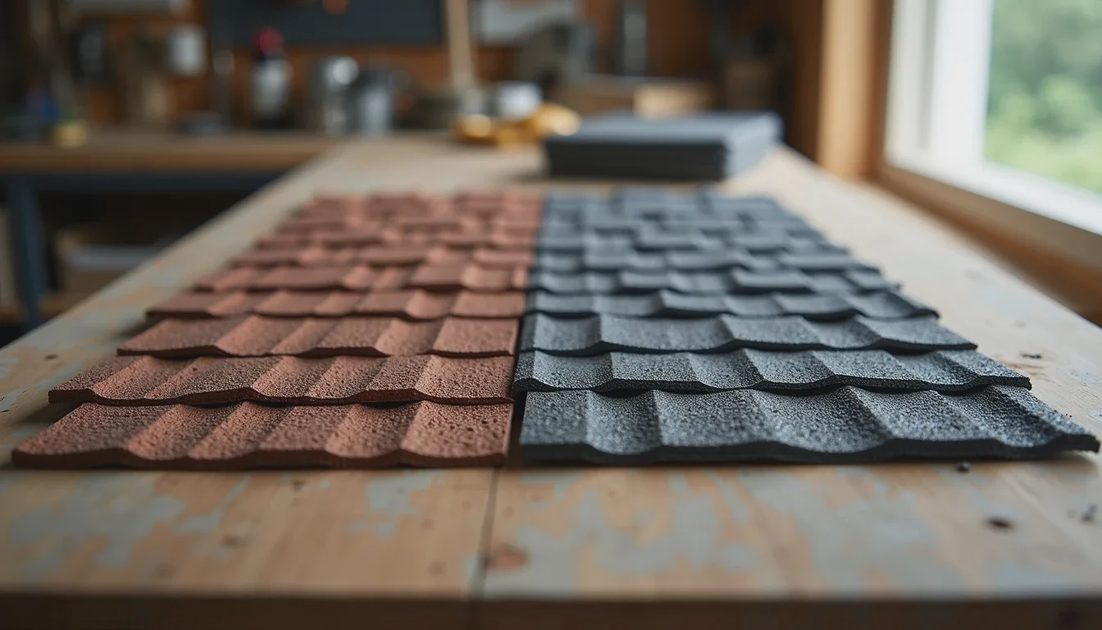
New step flashing, counter flashing, pipe boots, and full ice-and-water shield coverage add cost. Reusing old metal or limiting ice-and-water membrane to the bare minimum reduces the number. These items are frequent sources of quiet savings on lower bids and frequent sources of later leaks.
Decking Allowance
A clear per-sheet price for plywood or OSB replacement is standard on careful estimates. Its absence leaves the homeowner exposed to open-ended charges once the old roof is removed. Contractors who include a realistic allowance price the risk into the original number.
Material Grade and Specification
“Architectural shingles” is not a single product. Prices vary significantly between builder-grade laminates and thicker premium lines with stronger wind or impact ratings. The same is true for underlayment—basic synthetic versus higher-performance versions—and for metal systems of different gauges and finishes.
When one quote names a specific brand and product line and another uses generic language, the material cost difference can easily reach several thousand dollars on a full roof.
Labor Quality and Crew Structure
Labor is not priced the same way across companies.
Established contractors with trained crews, proper insurance, and consistent supervision carry higher overhead. They also tend to work more methodically, which shows up in flashing details, nail patterns, and cleanup. Lower-priced bids sometimes rely on less experienced labor, looser supervision, or subcontracted crews whose quality is harder to control.
The difference is rarely visible on the day the estimate is written. It becomes visible in the finished details and in how the roof performs five or ten years later.
Overhead, Insurance, and Business Model
A contractor carrying full workers’ compensation, general liability, vehicle insurance, and proper licensing builds those costs into every job. A leaner operation may carry less coverage or operate with thinner margins. The lower bid can look attractive until a claim arises and coverage proves inadequate.
Some companies also price more aggressively to keep crews busy during slow periods. Others maintain steadier pricing year-round. Seasonal demand, local competition, and the contractor’s current backlog all influence the final number.
Risk Pricing and Complexity
Complex roofs cost more. Multiple valleys, dormers, skylights, steep pitches, limited access, or heavy tree cover increase labor time and material waste. Contractors who carefully measure and price these factors produce higher numbers. Those who apply a simple square-foot average may underprice the difficulty and later seek change orders.
Experience also affects risk pricing. A contractor who has seen the same house style produce decking problems or difficult flashing conditions may build a larger contingency into the quote. That contingency appears as a higher total rather than as a surprise later.
Warranty and Certification Levels
Basic manufacturer warranties come with most shingles. Enhanced system warranties that include longer non-prorated coverage and labor protection require certified installers and specific accessory products. Those requirements add cost. A quote that includes a full system warranty will usually sit higher than one that offers only the standard material warranty and a short workmanship term.

How to Read the Gap Productively
When the numbers differ widely, resist the urge to treat the lowest as the baseline. Instead, line the proposals up by category:
Exact material brand and product
Tear-off method and number of layers
Underlayment and ice-and-water coverage
Flashing and penetration details
Decking unit price
Ventilation plan
Warranty terms (manufacturer and workmanship)
Payment schedule and change-order process
The higher quote is often explaining a more complete job. The lower quote is often describing a thinner one. Once the scopes are equalized, the remaining price difference is easier to judge as either reasonable or excessive.
A Practical Example Pattern
A $12,000 quote that reuses flashing, limits ice-and-water shield, and names no specific shingle product is not directly comparable to a $17,000 quote that includes new flashing, full membrane coverage, a named premium architectural shingle, and a 10-year workmanship warranty. The $5,000 gap is largely the cost of those differences, not pure markup.
What the Highest Number Is Not
A significantly higher quote is not automatically better. It can include unnecessary upgrades, inflated contingencies, or simply higher overhead than the market supports. The goal is not to choose the most expensive option. It is to understand what each number actually buys and then decide which combination of scope, materials, and reliability fits the house and the budget.
Large differences between roofing quotes are normal. They become useful once the reasons behind them are visible on the page.
Keep Reading

Cost to Replace a 2000 Sq Ft Roof: Realistic Pricing Guide
Cost to replace a 2000 sq ft roof: compare asphalt, metal, labor, tear-off, and ...
Roof Cost per Square: What Homeowners Should Pay
Roof cost per square explained: compare asphalt, metal, tile, and labor prices, ...

Roofing Labor Cost Per Square: What Homeowners Should Pay
Roofing labor cost per square explained: compare installation rates, quote detai...
Owner Letters
0 lettersNo letters yet — be the first to write one.