How to Find the Best Roofing Company for Your Home
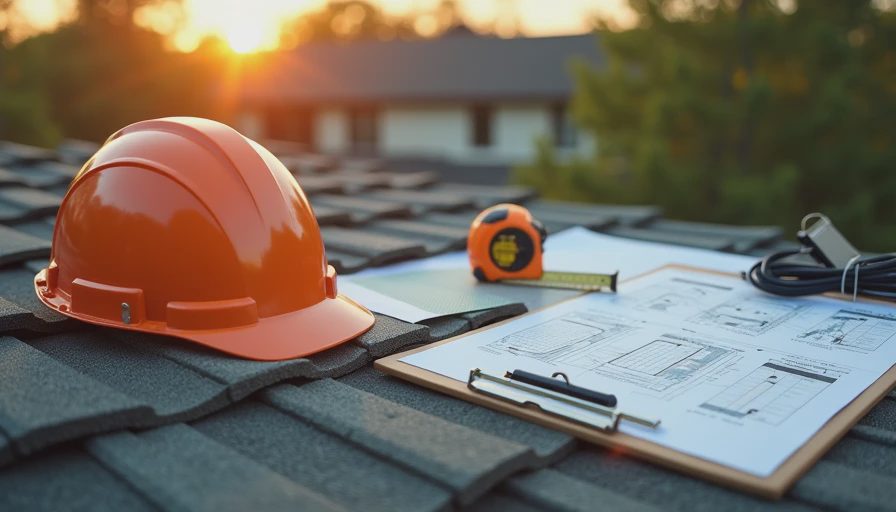
Choosing the best roofing company is less about finding the lowest bid and more about reducing installation risk. A roof can look simple from the driveway, yet a poor crew can create hidden problems around flashing, ventilation, underlayment, and drainage. The right roofer gives you a clear scope of work, realistic material choices, proof of insurance, and a written price that does not change without explanation.
For most homeowners, the best roofing company is a qualified local contractor with a strong record of similar projects, not necessarily the largest name in town. Use the process below to compare companies before weather, a pushy salesperson, or a low introductory price pressures you into signing.
Start with the Roof, Not the Sales Pitch
Before calling contractors, inspect what you can safely see from the ground. Look for curled or missing shingles, dark areas, exposed underlayment, sagging sections, damaged pipe boots, and granules collecting in gutters. Inside the attic, damp insulation, daylight around roof penetrations, or a musty smell can point to a leak. Do not climb onto a steep or wet roof for a casual inspection.
A roof near the end of its useful life may need replacement even when only a few shingles look damaged. Asphalt architectural shingles often provide roughly 20 to 30 years of service under normal conditions, while metal, tile, and slate can last longer when properly installed and maintained. Climate, ventilation, storm exposure, and material quality all affect that range.
Write down the symptoms and take ground-level photos. This gives every bidder the same starting information and makes it easier to spot a contractor who recommends a full replacement without explaining the evidence. The best roofing company will inspect the roof system rather than relying only on a quick glance at the shingles.
Compare Quotes Line by Line
A useful roofing quote should identify the tear-off plan, number of shingle layers, underlayment, ice and water protection where appropriate, flashing work, ventilation, cleanup, permits, and warranty terms. It should also name the product line or material grade. “Lifetime shingles” is not enough detail because the phrase describes a limited warranty category, not a promise that the roof will never fail.
For a typical asphalt roof, homeowners often see project totals from about $8,000 to $20,000, although roof size, pitch, access, region, decking repairs, and material choice can move the price substantially. A $3,000 difference is not automatically a bargain or a rip-off. One quote may include new flashing and ridge ventilation while another assumes the existing components can be reused.
Ask each contractor these practical questions:
- How many layers will be removed?
- What happens if damaged decking is found?
- Which manufacturer and product line are included?
- Are pipe boots, step flashing, and valley materials being replaced?
- Who obtains the permit and handles disposal?
- What labor warranty is included, and who performs warranty repairs?
The best roofing company answers directly and puts the answers in writing. Be cautious when a proposal contains a single lump-sum price with no material or labor breakdown.
Verify Licensing, Insurance, and Work History
Roofing requirements differ by state and municipality, so verify the contractor's license or registration through the relevant local authority when one is required. Request a current certificate of general liability insurance and workers' compensation coverage. A contractor who cannot provide basic documentation creates financial risk: an injury or property damage claim can become a homeowner's problem if the business is not properly insured.
Look for a stable business address, a working phone number, and a company name that matches its contract and insurance paperwork. Online reviews can reveal patterns involving cleanup, missed deadlines, or warranty disputes, but do not treat every review as proof. Ask for references from recent, comparable jobs and contact them with specific questions about communication, start dates, debris, leaks, and final billing.
Manufacturer credential programs can be useful, especially when you want an enhanced product warranty. However, a badge from GAF, Owens Corning, CertainTeed, or another manufacturer does not replace independent evaluation. Confirm what the credential covers, whether the contractor remains eligible, and whether the labor warranty is backed by the installer or manufacturer.
Judge Workmanship Before Materials
Premium shingles cannot compensate for careless installation. A capable crew should install fasteners in the manufacturer's specified nailing zone, keep courses aligned, protect exposed decking from rain, and integrate flashing with walls and penetrations. Poor ventilation can shorten shingle life and contribute to moisture problems, while insufficient attic intake can undermine an otherwise attractive replacement.
Ask who will perform the work. Some companies use their own employees; others hire subcontracted crews. Neither arrangement is automatically bad, but the contract should identify who supervises the project and who handles corrections. Ask how the crew protects siding, landscaping, driveways, windows, and outdoor equipment. A cleanup plan should include magnetic nail sweeping and removal of tear-off debris.
The best roofing company explains installation details in plain language instead of dismissing questions. During the job, photograph the exposed roof before new materials cover it. Pictures of replaced decking, flashing, and underlayment can help with future maintenance and provide a useful record if a warranty issue develops.
Understand Material and Warranty Tradeoffs
Material selection should fit the house, budget, weather, and expected ownership period. Three-tab asphalt shingles generally cost less but offer fewer design and performance features than architectural shingles. Metal roofing can provide long service life and strong weather resistance, but detailing around valleys, skylights, and chimneys requires skill. Concrete or clay tile can last for decades, yet the structure may need evaluation because tile is heavy. Slate is exceptionally durable but demands specialized installation and often a higher budget.
Do not choose a product solely because a salesperson calls it the best. Compare the installed cost, expected maintenance, appearance, warranty exclusions, and availability of replacement pieces. A contractor should explain whether a warranty is prorated, whether wind coverage has limits, and what maintenance or registration requirements apply.
Labor warranties deserve equal attention. A five-year labor warranty from a well-established company may be more useful than a longer promise from a contractor who disappears after one season. Keep the signed contract, paid invoices, product information, permits, inspection records, and completion photos in one folder.

A Practical Hiring Checklist
Before signing, compare at least three detailed estimates when possible. Confirm the start window, payment schedule, cancellation terms, change-order process, and final payment requirements. Avoid paying the entire project price upfront. A modest deposit can be normal, but the schedule should leave meaningful payment until the work is completed and debris is removed.
Watch for red flags: storm-chasing pressure, demands for cash, vague contracts, unusually low bids, claims that insurance will pay for everything, and requests to sign immediately. An ethical roofer can explain storm damage without promising an insurance outcome. If an insurer is involved, remember that the policy, deductible, covered damage, and claim decision are controlled by the insurance contract, not the contractor.
The best roofing company will encourage comparison because its proposal can stand on clear scope and workmanship. Start by collecting inspection notes, then request itemized estimates, verify credentials, and ask focused questions about installation. When two companies appear close in price, favor the one that communicates precisely, documents assumptions, and treats ventilation and flashing as part of the roof system rather than optional extras.
A careful hiring decision can save far more than a small discount. The goal is not simply a roof that looks new on installation day. It is a complete, serviceable system with materials suited to the home, installation you can verify, and a contractor you can still reach when the first heavy rain arrives.
Keep Reading
How to Find the Best Roofers for Your Home
Find the best roofers for your home with a practical guide to quotes, materials,...

Roofing Experts: How to Choose the Right Team for Your Home
Roofing experts can help you compare materials, realistic replacement costs, war...

How to Inspect a New Roof Installation Before Making the Final Payment
Before releasing final payment, check the finished roof for proper nailing patte...
Owner Letters
0 lettersNo letters yet — be the first to write one.