Underlayment Explained: Why the Layer Under Your Shingles Matters
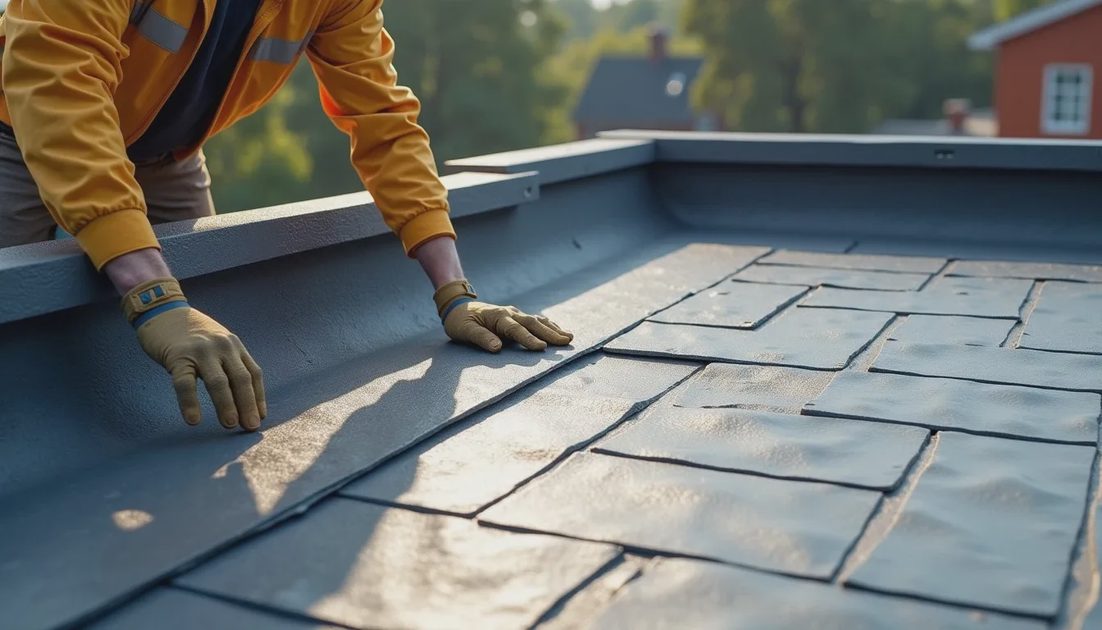
Shingles get the attention. The underlayment underneath them does much of the quiet work of keeping water out when wind-driven rain, ice dams, or a damaged shingle create a path past the primary surface. A high-quality shingle installed over weak or incomplete underlayment is still a vulnerable system.
Understanding what belongs under the shingles—and what often gets short-changed—helps explain why two roofs with the same shingle brand can perform very differently.
What Underlayment Actually Does
Underlayment serves as a secondary water-shedding layer. It protects the roof deck during installation before shingles are on, and it continues to shed water that gets under the shingles later. It also provides a smoother, more consistent surface for the shingles and adds a degree of fire resistance depending on the product.
In a properly built roof assembly the underlayment works together with flashing, drip edge, and the shingles themselves. When any one of those elements is weak, the others are asked to do more than they were designed for.
The Main Types Used in 2026
Asphalt-Saturated Felt
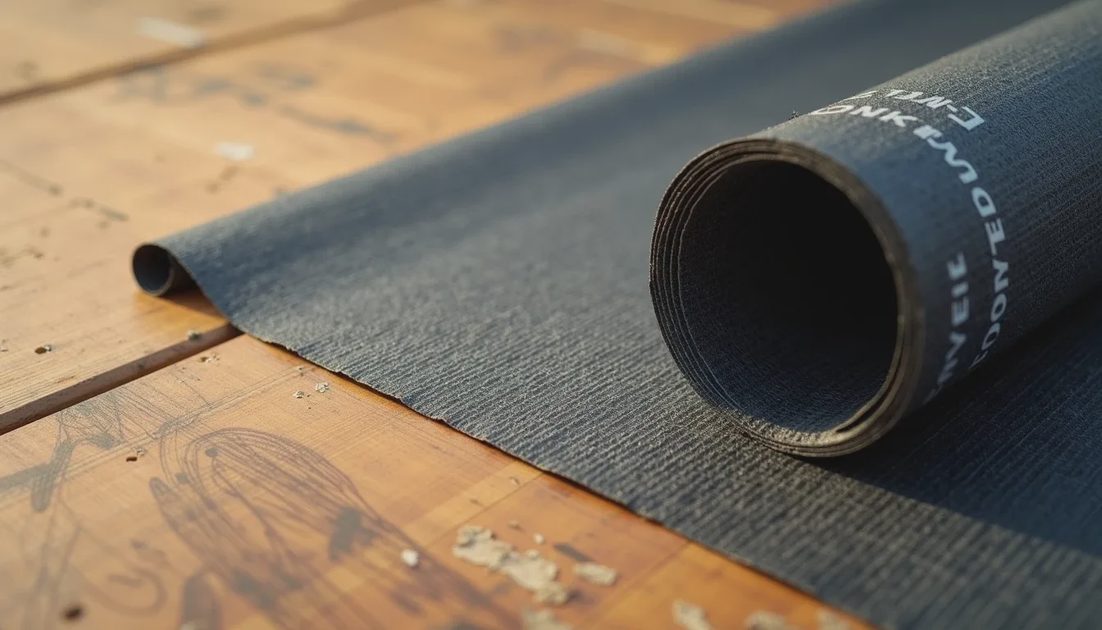
Traditional felt paper (often called 15-pound or 30-pound felt) was the standard for decades. It is inexpensive and still used on some budget jobs. It is also less durable, more prone to wrinkling and tearing during installation, and can dry out or absorb moisture over time. Most quality residential work has moved away from felt as the primary field underlayment.
Synthetic Underlayment
Synthetic underlayments are made from woven or spun polypropylene or similar polymers. They are lighter, stronger, more tear-resistant, and far more stable in wet conditions than felt. Most do not absorb water, stay flatter, and provide better traction for installers. They have become the default field underlayment on the majority of professional asphalt-shingle installations.
Self-Adhered Ice-and-Water Shield
This is a rubberized asphalt membrane with a peel-and-stick backing. It seals around fasteners and forms a watertight barrier. It is specifically used in high-risk locations: eaves (to guard against ice dams), valleys, around skylights and chimneys, and at other penetrations. In cold climates and on lower-slope sections it is often required by code or by manufacturer specifications for enhanced warranties.
Where Each Product Belongs
A typical high-quality steep-slope asphalt roof uses:
Self-adhered ice-and-water shield along the eaves (usually from the edge up the roof to at least 24 inches inside the exterior wall line), in valleys, and around penetrations
Synthetic underlayment across the remaining field of the roof
Proper overlap and fastening according to the manufacturer’s instructions
Using only basic felt across the entire roof, or skipping ice-and-water shield in critical areas, reduces both cost and protection. The savings appear on the estimate; the risk appears years later as leaks at eaves or valleys.
Code, Climate, and Warranty Requirements
Local building codes often set minimum underlayment standards, especially in regions with ice-dam history or high wind. Many manufacturer enhanced or system warranties require specific underlayment products and coverage details. Installing a premium shingle over inadequate underlayment can limit or void parts of the material warranty.
In cold climates the ice-and-water shield requirement is particularly important. In high-wind coastal areas the underlayment’s tear resistance and fastening method matter more. In hot climates UV exposure during installation and long-term heat stability become relevant.
Common Shortcuts That Reduce Protection
Using felt instead of synthetic across the field to save money
Limiting ice-and-water shield to the bare code minimum or omitting it from valleys
Inadequate overlap between courses
Fastening underlayment with staples instead of capped nails where the product requires better holding power
Installing shingles over wrinkled or wet underlayment
These decisions are rarely visible once the shingles are on. They surface later as leaks that appear during wind-driven rain or freeze-thaw cycles.
How Underlayment Affects Long-Term Performance
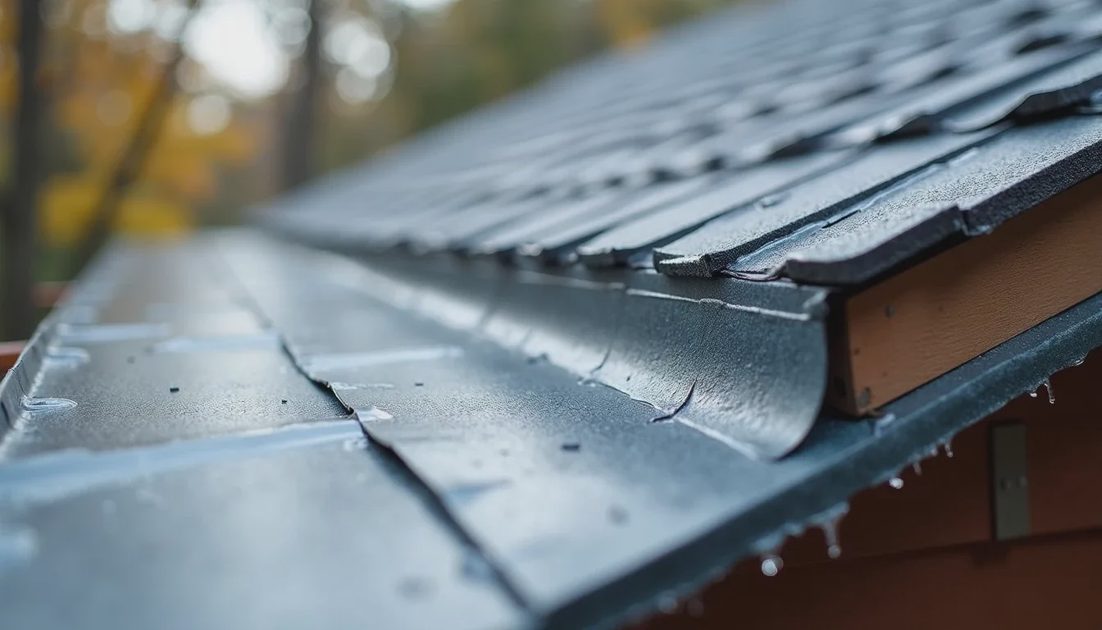
When wind lifts a shingle tab or a seal strip fails, water can reach the underlayment. A durable synthetic layer with proper ice-and-water protection at the edges and valleys gives the roof a second chance to shed that water before it reaches the deck. Felt that has become brittle or torn offers far less backup.
Ice dams are another clear example. Water that backs up under the shingles at the eaves will find any gap in the underlayment. A continuous self-adhered membrane sealed to the deck and up the roof slope stops most of that water from entering the structure.
What to Look for on a Quote or During Installation
A complete proposal should specify:
Type of field underlayment (synthetic brand or product name preferred)
Locations and width of ice-and-water shield coverage
Compliance with manufacturer requirements if an enhanced warranty is being offered
During the job, the underlayment stage is one of the more useful times for a quick visual check. The deck should be clean and dry, ice-and-water shield should be visible at eaves and valleys, and the synthetic layer should lie flat with proper overlaps before shingles begin.
Underlayment Is Not the Place to Economize
The cost difference between a basic felt job and a proper synthetic-plus-ice-and-water assembly is modest compared with the total price of a roof replacement. The performance difference over 20-plus years is not modest. Underlayment is one of the few components that can quietly determine whether a roof merely looks finished or actually functions as a reliable water-shedding system.
When comparing estimates, treat the underlayment specification as a meaningful line item rather than fine print. A lower number that relies on minimal or outdated underlayment is describing a different, and usually weaker, roof.
Keep Reading

How to Choose an outer banks roofer Without Costly Mistakes
Need an outer banks roofer? Compare coastal roofing materials, estimates, warran...

How to Find the Top Roofing Companies Near Me
top roofing companies near me: compare local roofers by materials, quotes, warra...

How to Find the Best Roofing Company for Your Home
Find the best roofing company for your home with practical advice on quotes, mat...
Owner Letters
0 lettersNo letters yet — be the first to write one.