How to Extend Roof Lifespan: Practical Advice for Homeowners

Learning how to extend roof lifespan starts with a simple idea: small problems are cheaper to fix than large ones. A roof rarely fails all at once. More often, loose flashing, clogged gutters, poor attic ventilation, or a few damaged shingles allow moisture to work underneath the roofing system. By the time water stains appear on a ceiling, the repair can involve decking, insulation, drywall, and interior paint.
The most effective approach combines good installation, routine inspections, prompt repairs, and realistic material expectations. Asphalt shingles might last roughly 15 to 30 years, while metal, tile, and slate can last much longer when properly installed. However, even premium materials can fail early if water is trapped beneath them or a contractor skips important details.
Start with a Professional Installation
The best answer to how to extend roof lifespan is to avoid installation shortcuts from day one. A roof needs more than visible shingles or panels. The underlayment, flashing, fasteners, drip edge, valleys, vents, and roof-to-wall transitions all affect performance. A low bid that leaves out these components can become an expensive decision after the first major storm.
When comparing quotes, ask whether the contractor will replace damaged roof decking, install new metal flashing where needed, use the manufacturer’s required underlayment, and provide adequate ventilation. Confirm that the crew is insured and that the estimate identifies the material brand and product line. CertainTeed, GAF, Owens Corning, and IKO all offer multiple shingle grades, so a quote that only says “architectural shingles” is incomplete.
Workmanship also affects warranty coverage. Many manufacturers require installation according to published instructions, and some enhanced warranties depend on approved contractors. That does not make a premium warranty automatically worthwhile, but it does make installation documentation valuable. Save the contract, product labels, color information, warranty paperwork, and final inspection notes.
Keep Water Moving Away From the Roof
Water management is central to how to extend roof lifespan. Clean gutters and downspouts at least twice a year, usually in late spring and late fall, and inspect them after major storms. Leaves and shingle granules can create blockages that send water behind the fascia or over the edge of the roof. Downspouts should discharge several feet away from the foundation when practical, using extensions or splash blocks.
Look closely at roof valleys, where two slopes meet and runoff is concentrated. Valleys should be free of debris, exposed fasteners, cracked sealant, and lifted flashing. Chimneys, skylights, plumbing vents, and walls are also common leak locations because they interrupt the roof surface. A small bead of failed sealant is not always the real problem; flashing may need to be repaired or replaced underneath.
Never pressure-wash asphalt shingles. High-pressure water can remove protective granules and force moisture under overlapping courses. If moss or algae is present, use a roof-safe treatment or hire a qualified professional. Trimming branches that touch the roof reduces abrasion, falling debris, and shaded damp areas that encourage organic growth.
Improve Attic Ventilation and Insulation
A healthy roof assembly needs balanced attic ventilation. Intake vents near the eaves allow cooler air to enter, while ridge, gable, or properly designed exhaust vents let warm, moist air leave. Adding an exhaust vent without enough intake airflow can produce little benefit and sometimes disrupt the intended airflow pattern.
Poor ventilation can contribute to heat buildup, moisture condensation, mold growth, and premature deterioration of roof sheathing. In cold climates, warm attic air can also melt snow on the upper roof, creating ice dams when the water refreezes near the eaves. In hot climates, excessive attic heat can increase cooling demand and place additional stress on some roofing materials.
Insulation matters because it separates conditioned indoor air from the roof deck. Seal penetrations around plumbing pipes, electrical wiring, and recessed lights where appropriate, then confirm that insulation does not block soffit intake vents. A roofing contractor or insulation professional can inspect the attic for wet insulation, dark roof-deck staining, rusted nails, or daylight around vents. These clues often reveal issues before they become visible inside the home.
Inspect the Roof Before Small Damage Spreads
A practical maintenance schedule supports how to extend roof lifespan without turning homeowners into roof inspectors. Arrange a professional inspection after severe hail, high winds, fallen branches, or unusual interior moisture. Even without storm damage, an inspection every few years is useful, especially for a roof more than 10 years old.
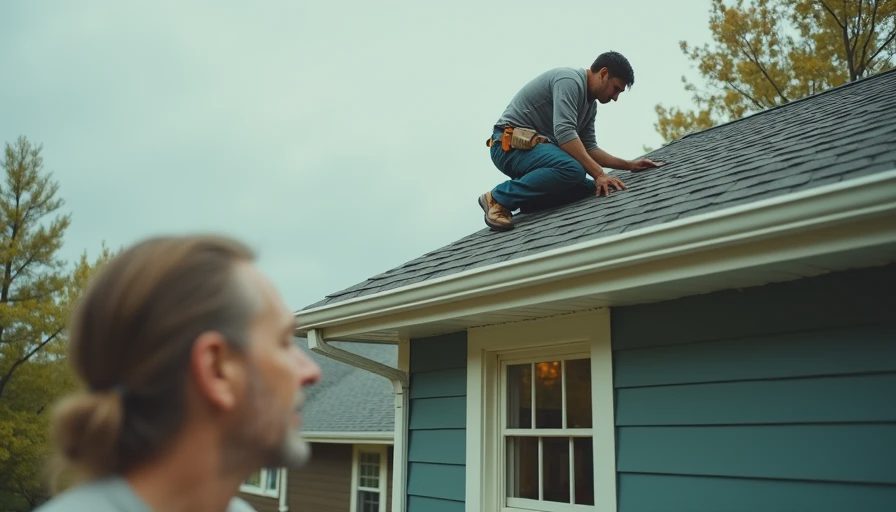
From the ground, look for missing, cracked, curled, or slipped shingles; exposed underlayment; sagging areas; damaged metal; and large patches of granules in gutters. Do not climb onto a steep or wet roof. A contractor can identify subtle conditions such as lifted tabs, open seams, nail pops, deteriorated pipe boots, or inadequate flashing.
Prompt repairs are usually less expensive than deferred repairs. Replacing a pipe boot might cost tens or a few hundred dollars depending on access and local labor. Repairing widespread wet decking, insulation, and drywall can run into the thousands. Ask for photographs and a written explanation so you can distinguish an urgent leak from cosmetic aging.
Choose Repairs and Replacements Carefully
When a roof has isolated damage, a targeted repair can preserve the rest of the system. However, patching an aging roof repeatedly may not be the best use of money if the shingles are brittle, the flashing is failing, or the underlayment has reached the end of its service life. A repair should solve a defined problem rather than hide a broader installation defect.
Material selection also influences how to extend roof lifespan. Architectural asphalt shingles are widely available and relatively affordable, but product grades differ in wind ratings, algae resistance, impact resistance, and expected service life. Standing-seam metal roofing generally costs more upfront but can provide long service with low routine maintenance. Clay or concrete tile can be durable, although the structure must support its weight and broken tiles still need attention. Slate can last for generations, but it requires specialized installation and repair skills.
Do not choose a material based only on the longest advertised lifespan. Local weather, roof slope, tree cover, attic design, labor quality, and maintenance access may matter just as much. A well-installed midrange roof can outperform a premium roof installed by an inexperienced crew.
Build a Maintenance Plan That Fits Your Budget
The final part of how to extend roof lifespan is consistency. Set a calendar reminder for gutter cleaning, attic checks, and exterior inspections. Keep a simple roof file with installation dates, repair invoices, inspection photos, shingle information, and warranty terms. This record helps when selling the house and makes it easier to explain the roof’s history to a new contractor.
Budget for maintenance before an emergency occurs. A small reserve for flashing repairs, gutter work, tree trimming, and professional inspections can prevent a rushed replacement decision. Get at least two written opinions when a contractor recommends a full replacement, and compare the scope of work rather than just the total price. One estimate might include new decking and ventilation while another leaves them as extra charges.
The most dependable roof is not necessarily the most expensive one. It is a complete system that sheds water, dries properly, uses compatible materials, and receives attention before minor defects become structural damage. If you are unsure where your roof stands, schedule an inspection and ask for photographs, remaining-life guidance, and a prioritized repair plan. That information gives you a clearer path to protect the home and delay replacement responsibly.
Keep Reading

Roof Lifespan by Material: A Homeowner’s Guide to Replacement Timing
Roof lifespan by material: compare asphalt, metal, tile, wood, and slate roofs b...

Repair vs Replace Roof: A Homeowner's Guide to the Right Choice
Repair vs replace roof: learn how to judge damage, compare costs, spot hidden ri...

Roof Maintenance Checklist: A Homeowner’s Seasonal Guide
Use this roof maintenance checklist to catch leaks, protect shingles, and plan a...
Owner Letters
0 lettersNo letters yet — be the first to write one.