Roof Lifespan by Material: A Homeowner’s Guide to Replacement Timing

Roof lifespan by material is one of the most useful comparisons to make before requesting replacement estimates. A roof that costs less today can require another major project in 15 or 20 years, while a premium material can last for decades but demand stronger framing and a larger installation budget. The right choice depends on your climate, home design, maintenance habits, and how long you expect to own the property.
Roof lifespan by material at a glance
Standard asphalt shingles usually last 15 to 30 years. Architectural asphalt shingles often reach 25 to 35 years when installed correctly and maintained. Metal roofing commonly lasts 40 to 70 years, depending on the panel type, coating, fasteners, and exposure. Wood shakes typically provide 25 to 40 years, although wet climates and poor ventilation can shorten that range.
Clay or concrete tile can last 50 years or longer, with some well-maintained systems remaining functional for 75 years or more. Natural slate is the long-term benchmark, often lasting 75 to 100 years, but it is also among the most expensive and installation-sensitive options. These ranges are not guarantees. Hail, wind, standing moisture, ultraviolet exposure, algae, falling branches, and installation mistakes can reduce the useful life of any roof.
The roof lifespan by material comparison becomes more practical when you pair years with cost. Asphalt is generally the easiest material for a budget-conscious homeowner because labor is widely available and the underlying structure usually needs fewer modifications. Metal, tile, and slate can cost substantially more per square foot, but their longer service lives can make sense for a forever home.
Asphalt shingles: the practical baseline
Asphalt remains the most common residential roofing choice in the United States because it offers a familiar balance of price, appearance, and repairability. Three-tab shingles are usually the least expensive but have shorter expected lives and less dimensional depth. Architectural shingles cost more, often around $4 to $8 per square foot installed, but they provide a heavier profile and better wind performance than basic three-tab products.
A typical asphalt replacement on an average-sized home can land around $8,000 to $20,000, although roof size, pitch, tear-off layers, flashing, ventilation, and regional labor rates change the final quote. Look beyond the shingle label. Ice-and-water protection, synthetic underlayment, metal drip edge, ridge ventilation, and properly installed flashing have a direct effect on how long the system performs.
If you plan to sell within five to ten years, premium asphalt may offer a sensible appearance upgrade without paying for a roof designed to last longer than your ownership period. Ask whether the quote includes removal, deck repairs, permits, ventilation work, and disposal fees rather than comparing only the price per bundle.
Metal roofing: long life with installation details that matter
Metal roofing includes several different products, so a quote for “metal” is not specific enough. Exposed-fastener steel panels may cost less, while standing-seam steel, aluminum, and copper systems can require a much larger investment. A quality metal roof can last 40 to 70 years, but the panels are only part of the system. Coating quality, fastener placement, expansion allowances, roof penetrations, and corrosion protection all matter.
Standing-seam metal often costs about $8 to $16 per square foot installed, with aluminum and copper moving higher. It can perform well in heavy rain, snow, and wildfire-prone regions, but it is not automatically maintenance-free. Scratches, incompatible metals, loose fasteners, and poorly detailed skylights can create problems. Metal can also amplify rain noise in an attic with inadequate insulation, though a properly built roof assembly reduces that effect.
The roof lifespan by material decision favors metal when you want a long service period, lower shingle granule loss, and a modern or agricultural-inspired appearance. It is less compelling when the installer has limited experience with the exact panel system or when the home needs extensive structural repairs first.
Tile, wood, and slate: premium materials with different risks
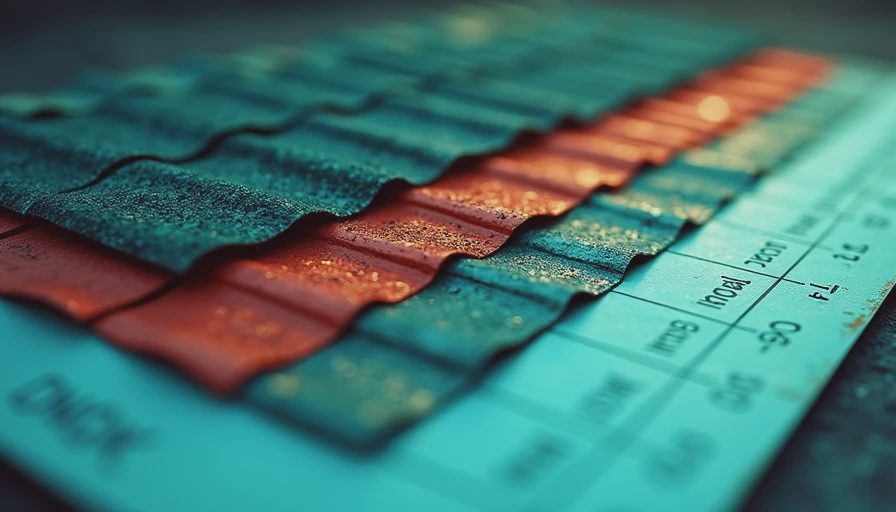
Clay and concrete tile are durable choices for hot, sunny regions and many coastal or Mediterranean-style homes. Tile itself can last 50 years or more, but the underlayment beneath it may need replacement sooner. Tile is heavy, so a contractor should confirm that the roof structure can support it before installation. Walking on the surface carelessly can crack individual pieces, and matching older tile during repairs is not always easy.
Wood shakes provide natural variation and strong curb appeal, especially on cottages and craftsman-style homes. Cedar shakes can last 25 to 40 years with proper spacing, ventilation, cleaning, and resistance treatment. They require more attention than asphalt because trapped moisture, moss, insects, and splitting can spread if small problems are ignored. Some communities also restrict wood roofing because of wildfire exposure.
Slate offers exceptional longevity and a distinctive appearance, but it is not a casual upgrade. The roof structure must carry substantial weight, and installation requires contractors familiar with slate clips, flashing, layout, and replacement techniques. Slate tiles can last generations while copper flashing eventually needs attention. A low bid from an inexperienced crew can erase the material’s durability advantage.
What shortens a roof’s expected life
Roof lifespan by material is affected as much by the building envelope and workmanship as by the product selected. Poor attic ventilation allows heat and moisture to build up, accelerating shingle aging and contributing to condensation. Inadequate flashing around chimneys, walls, skylights, and plumbing vents is a common source of leaks. A roof installed over damaged decking can look finished while problems remain underneath.
Trees deserve attention too. Branches scrape surfaces, leaves hold moisture, and clogged valleys direct water under the roofing. After severe wind or hail, schedule an inspection even if the ceiling is dry. Some damage is visible only from the roof surface or attic. Keep gutters clear, trim branches away from the roof, and replace cracked vent boots before water reaches the insulation.
When comparing contractors, ask for photographs of deck repairs, a written ventilation plan, manufacturer specifications, proof of insurance, and references for similar roofs. Manufacturer warranties often cover product defects but do not pay for every installation error. Workmanship coverage is a separate promise from the contractor, so read its duration and exclusions.
How to choose the right material for your home
Start with ownership plans. A homeowner staying for decades may reasonably compare metal, tile, or slate against repeated asphalt replacements. Someone preparing to sell may prioritize clean installation, reliable ventilation, and a material that buyers in the local market recognize. A premium roof does not always return its full cost at resale, particularly if the neighborhood primarily uses asphalt.
Next, compare complete installed systems instead of materials alone. Request at least three itemized estimates showing tear-off, underlayment, flashing, ventilation, deck replacement pricing, permits, cleanup, and warranty terms. A $12,000 asphalt quote and a $22,000 asphalt quote may describe very different levels of preparation. The cheapest proposal can become the most expensive if leaks require interior repairs or an early replacement.
Finally, consider climate and maintenance honestly. Frequent hail may favor impact-rated shingles or durable metal, while humid conditions increase the importance of ventilation and algae-resistant products. Heavy snow, coastal salt, wildfire exposure, and freeze-thaw cycles each change the practical choice. The best roof is the one whose material, structure, installation, and maintenance plan fit the house rather than simply carrying the longest advertised warranty.
Final buying advice
The roof lifespan by material numbers are useful starting points, not promises carved in stone. Asphalt offers the strongest value for many homeowners, metal delivers a longer service window when installed by a capable crew, tile combines durability with weight and underlayment concerns, wood demands regular attention, and slate rewards a very long ownership horizon.
Before signing, inspect the contractor’s scope as carefully as the sample materials. Confirm who handles deck damage, flashing, ventilation, permits, cleanup, and warranty registration. A well-installed midrange roof can outperform an expensive material installed carelessly. Compare the full system, the installer’s experience, and the years you realistically need from the home. That approach makes roof lifespan by material a useful buying tool instead of a misleading number on a brochure.
Keep Reading

How to Extend Roof Lifespan: Practical Advice for Homeowners
Learn how to extend roof lifespan with practical maintenance, ventilation, mater...
Repair vs Replace Roof: A Homeowner's Guide to the Right Choice
Repair vs replace roof: learn how to judge damage, compare costs, spot hidden ri...

Roof Maintenance Checklist: A Homeowner’s Seasonal Guide
Use this roof maintenance checklist to catch leaks, protect shingles, and plan a...
Owner Letters
0 lettersNo letters yet — be the first to write one.