Roof Types: A Homeowner’s Guide to Cost, Lifespan, and Installation
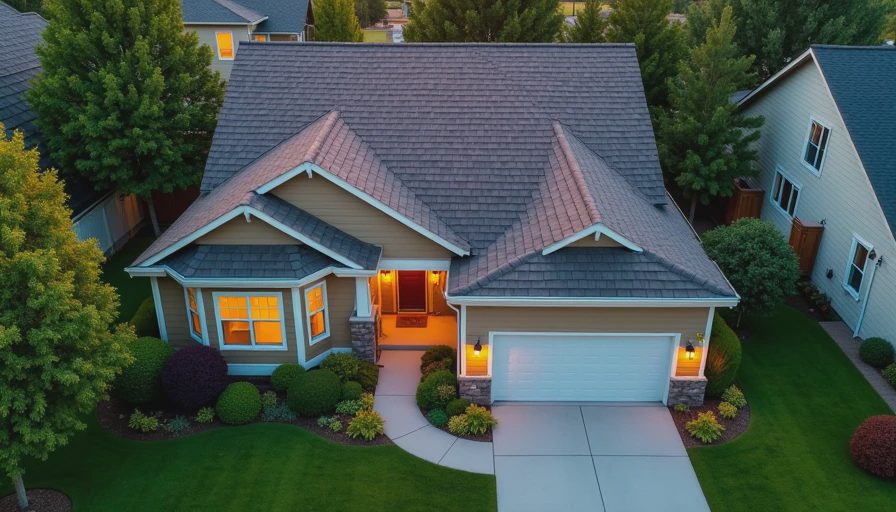
Choosing among roof types is less about finding the most attractive product and more about matching a material to your budget, climate, roof design, and expected time in the house. A low-cost roof can be sensible for a starter property, while a longer-lasting system may be the better value for a forever home. The key is comparing the complete installation, not just the price of the shingles or panels.
The main roof types homeowners compare
The most common residential option is asphalt composition shingles. They are widely available, familiar to most contractors, and usually the least expensive choice. Architectural asphalt shingles typically cost about $5 to $9 per square foot installed, although steep slopes, tear-off work, ventilation repairs, and regional labor rates can move the final quote higher. Their expected service life is often around 20 to 30 years when properly installed and maintained.
Metal roofing includes exposed-fastener panels, standing-seam systems, and metal shingles. It commonly costs more upfront, often about $8 to $16 per square foot installed, but quality metal can last 40 to 70 years or longer. Standing seam generally has a cleaner appearance and fewer exposed fasteners, while exposed-fastener panels can be more budget friendly. Ask how fasteners, flashing, and roof penetrations will be handled before accepting a low bid.
Cedar shakes and shingles bring a natural texture that works well with craftsman, cabin, and traditional homes. They require more maintenance than asphalt and can be vulnerable to moisture, insects, splitting, and fire restrictions. A cedar roof may last 25 to 40 years with appropriate care, but the installation must include suitable underlayment, ventilation, and detailing around chimneys and valleys.
Tile and slate are among the longest-lasting roof types, but they require a structure capable of supporting their weight and a contractor experienced with the material. Concrete tile may last 40 to 60 years, while well-installed slate can last a century or more. The visible material is only part of the system; the deck, flashing, fasteners, and supporting structure deserve equal attention.
How roof types change your replacement budget
A roofing quote is usually based on squares, with one square covering 100 square feet of roof surface. Homeowners do not need to calculate every square, but understanding the term makes estimates easier to compare. A 2,000-square-foot house may have considerably more than 2,000 square feet of actual roof area because of pitch, overhangs, dormers, and attached garages.
For a typical replacement, labor and preparation can account for a large share of the total. Tear-off and disposal might add several thousand dollars, while rotten decking, chimney flashing, skylights, ice-and-water protection, and new vents can add more. A quote of $12,000 for one roof is not automatically better than a $17,000 quote if the cheaper proposal excludes deck replacement or uses less durable flashing.
Among roof types, asphalt usually provides the lowest initial cost. Metal and tile require more money at the start, but their longer service lives can reduce the number of major replacements over several decades. For example, replacing a $12,000 asphalt roof twice over 50 years could cost more than one carefully installed metal roof, even before considering inflation. That does not make metal right for every home, but it shows why lifespan belongs in the comparison.
Matching a roof to your climate and house
Weather should influence the decision. In areas with frequent hail, impact-rated asphalt shingles or a properly specified metal system may deserve consideration. In hot, sunny regions, reflective coatings and lighter colors can help reduce heat absorption, although attic insulation and ventilation also matter. In coastal locations, corrosion-resistant fasteners and compatible metal components are essential.
Snowy climates place extra demands on structure, flashing, and ventilation. A steep roof can shed snow more easily, but snow guards may be needed above entrances, walkways, or patios. In hurricane-prone areas, the attachment method, edge metal, underlayment, and local code requirements can matter as much as the surface material.
The existing roof shape also limits your choices. A low-slope section may need a membrane system rather than standard shingles. Complex valleys and multiple dormers increase labor and create more opportunities for leaks. An experienced roofer should inspect how water moves across the entire roof before recommending one of the roof types on a showroom sample board.
Installation quality matters more than the label
Even the best roof types can fail early when installation is rushed. Look for a written scope that identifies the underlayment, drip edge, flashing replacement, ventilation plan, fastener type, cleanup process, and warranty terms. The proposal should explain whether the contractor will remove existing layers and what happens if damaged decking is found.
Ask for proof of liability insurance, workers’ compensation coverage, licensing where required, and recent local references. Manufacturer certification can be useful, but it does not guarantee careful workmanship. A contractor who cannot explain valley details, pipe boot replacement, and chimney flashing should not be selected simply because the material carries a premium brand name.
Pay attention to ventilation. Adding ridge vents without providing balanced intake ventilation can produce a system that looks complete but does not perform properly. Likewise, installing new shingles over a damp or deteriorated deck can hide a problem rather than solve it. The roof surface is the final layer of a larger assembly.
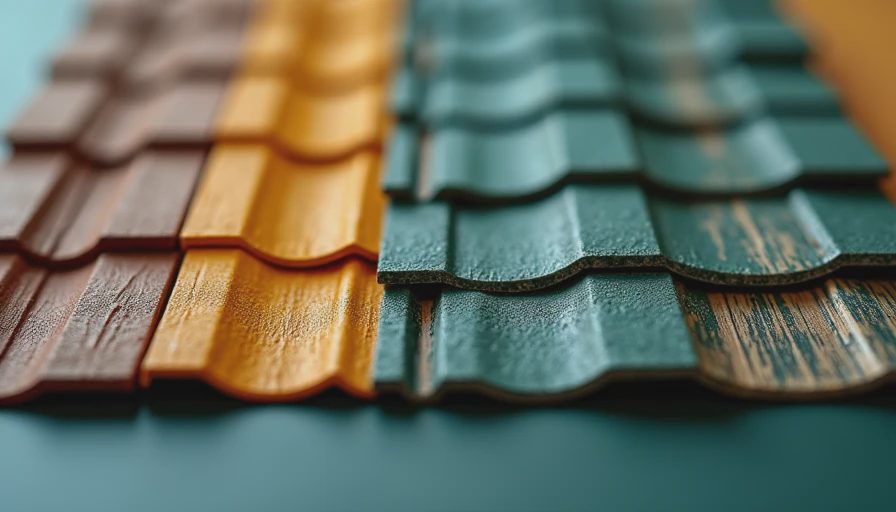
Comparing warranties, upkeep, and real service life
A manufacturer’s limited warranty generally covers defects in the product, not every leak caused by poor installation, storm damage, inadequate ventilation, or building movement. Enhanced warranties may require a certified contractor and specific installation components. Read the exclusions, transfer rules, and prorated coverage language before treating a warranty as a guarantee of decades without expense.
Maintenance needs differ across roof types. Asphalt benefits from keeping gutters clear, trimming branches, checking flashing, and removing heavy moss with an appropriate method. Metal should be inspected for loose fasteners, damaged coatings, and corrosion at cut edges. Cedar needs regular attention to moisture and biological growth. Tile and slate can last a long time, but cracked units and failed flashing should be repaired by someone who knows how to walk on and handle the material safely.
Plan for an inspection at least annually and after major storms. Small repairs often cost a few hundred dollars, while ignored leaks can damage insulation, drywall, framing, and flooring. A roofer should document problem areas with photographs so you can distinguish routine maintenance from a recommendation for full replacement.
A practical way to choose your roof
Start by deciding how long you expect to own the home. If you plan to sell within a few years, attractive architectural shingles with documented installation may offer a sensible balance. If you expect to stay for decades, compare lifecycle cost rather than the smallest check you can write today. This is where roof types become a financial decision as much as a design decision.
Next, obtain at least three detailed estimates using the same scope. Ask each contractor to price tear-off, decking replacement per sheet, ventilation, flashing, permits, cleanup, and change-order rates. Compare the exact product line, not simply “30-year shingles” or “metal roof.” Product names, thickness, coatings, and installation requirements can differ significantly.
Finally, inspect the contract before scheduling work. Avoid large cash deposits, vague allowances, and promises that are not written down. The best choice among roof types is the one that fits the house, the weather, and your ownership plans while being installed by a contractor who explains the work clearly. A clean quote and sound installation usually matter more than a flashy sales pitch.
Keep Reading

Roofing Materials: How to Choose the Right Roof for Your Home
Roofing materials compared by cost, lifespan, maintenance, and installation risk...
Impact-Resistant Shingles: When the Extra Cost Is Worth It
Class 4 impact-resistant shingles cost more than standard architectural products...

Synthetic and Composite Roofing: Realistic Pros, Cons, and Costs
Synthetic and composite roofing products aim to combine lighter weight, varied a...
Owner Letters
0 lettersNo letters yet — be the first to write one.