Impact-Resistant Shingles: When the Extra Cost Is Worth It
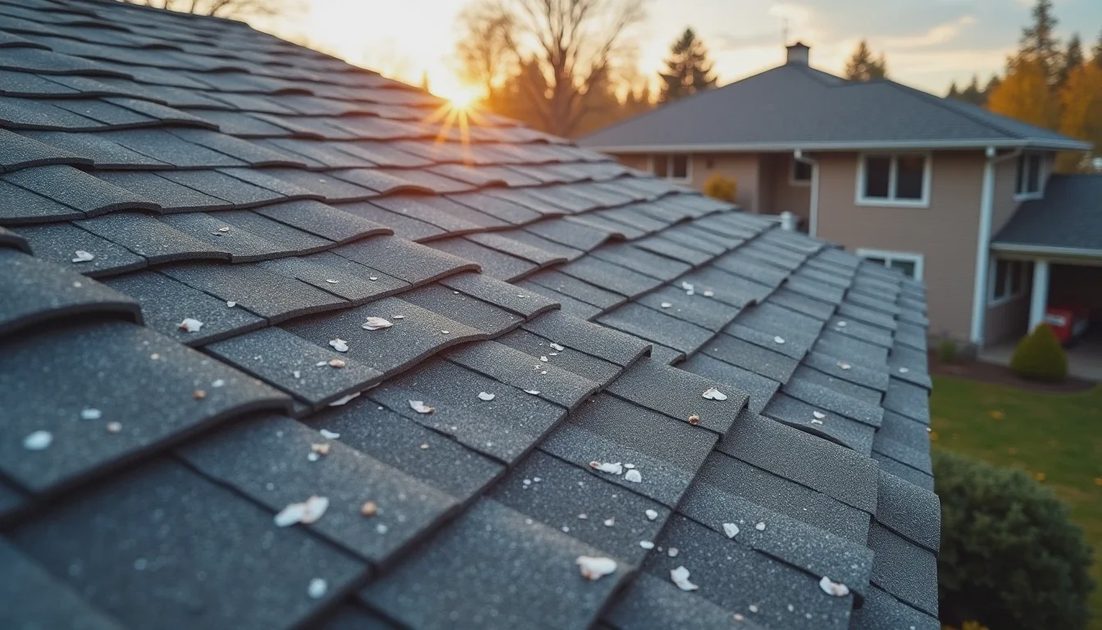
Impact resistance for asphalt shingles is measured by UL 2218 testing. Shingles are rated Class 1 through Class 4 based on their ability to withstand steel balls dropped from increasing heights. Class 4 is the highest rating and indicates the best resistance to hail impact among asphalt products.
These shingles use a reinforced fiberglass mat and often a modified asphalt formulation. They are designed to resist cracking and granule loss better than standard architectural shingles when struck by hail. They are not indestructible. Very large hail can still cause damage, and cosmetic bruising may occur even when the shingle remains functionally intact.
Cost Difference in 2026
Class 4 architectural shingles typically add 15–30 percent to the material portion of a roofing job compared with standard architectural products. On a full replacement for an average home, the installed premium often falls in the $1,500–$4,000 range depending on roof size, product line, and local pricing. Some premium Class 4 lines sit higher.
The extra cost is real. Whether it is justified depends mainly on location, insurance treatment, and how long you plan to own the house.
Where the Upgrade Delivers the Most Value
Hail-Prone Regions
Areas with frequent or severe hail—parts of Texas, Oklahoma, Kansas, Nebraska, Colorado, and similar corridors—see the clearest benefit. Standard shingles in these regions often suffer repeated damage that leads to claims, higher premiums, or early replacement. Class 4 products reduce the frequency and severity of functional damage.
Insurance Discounts
Many carriers offer premium credits for Class 4 roofs. Discounts commonly range from 5 to 20 percent of the roof or dwelling portion of the policy, though exact amounts vary by company and location. Some insurers also treat Class 4 roofs more favorably when underwriting older homes or applying roof-age restrictions.
The annual savings can offset part of the upgrade cost over time. In high-hail zones with meaningful discounts, the payback period may be 7–12 years. In mild climates with little or no credit, the financial case is weaker.
Long Ownership Horizon
If you expect to stay in the house 15 years or longer, the reduced risk of mid-life storm damage and potential insurance benefits have more time to matter. Short-term owners are less likely to recover the premium through either avoided repairs or lower premiums.
Where the Upgrade Is Less Compelling
In regions with rare hail and no insurance credit, the extra cost mainly buys peace of mind rather than measurable financial return. Standard architectural shingles already provide solid wind resistance and a 20-plus-year service life in milder climates. The impact-resistant feature adds less practical value when the primary weather risks are heat, UV, or wind rather than hail.
Cosmetic denting is another consideration. Class 4 shingles can still show surface bruising from hail even when they do not crack. Some insurance policies exclude pure cosmetic damage on impact-resistant roofs, which can be an advantage (fewer claims) or a drawback (unrepaired appearance) depending on your priorities.
Performance Beyond Hail
Class 4 products are still asphalt shingles. They age under UV and heat like other asphalt products. They do not match the impact or longevity performance of metal or tile. Their advantage is relative: better hail resistance than standard asphalt at a lower cost than switching to metal.
Wind ratings on many Class 4 lines are also strong, often 110–130 mph or higher when installed to specification. That provides secondary benefit in mixed storm regions.

How to Evaluate the Decision on Your House
Confirm your local hail risk and recent claim history in the area.
Ask your insurance agent for the exact discount available for a Class 4 roof on your policy and whether any roof-age or underwriting benefits apply.
Obtain side-by-side quotes for standard architectural and Class 4 products on the same scope of work.
Compare the upfront premium against the annual insurance savings and your expected ownership period.
Factor in the reduced likelihood of mid-life storm repairs if you live in an active hail zone.
Installation and Warranty Notes
Impact resistance depends on proper installation. Nailing patterns, underlayment, and flashing details still matter. Most Class 4 products carry manufacturer warranties similar to other architectural lines, with the same requirements for ventilation, installation standards, and registration. Enhanced system warranties remain available on many Class 4 products when installed by certified contractors.
Class 4 impact-resistant shingles are a targeted upgrade rather than a universal improvement. In hail-prone areas with insurance recognition, the extra cost often proves worthwhile. In milder regions without credits, standard architectural shingles remain the more economical and still durable choice for most homeowners. The decision works best when driven by local risk and actual policy numbers rather than by the Class 4 label alone.
Keep Reading

Synthetic and Composite Roofing: Realistic Pros, Cons, and Costs
Synthetic and composite roofing products aim to combine lighter weight, varied a...

Choosing Roofing Materials by Climate: A Practical Homeowner Guide
Climate shapes how long any roofing material actually lasts. Heat, hail, wind, f...

Architectural Shingles vs 3-Tab: What Most Homeowners Should Pick
3-tab shingles cost less and suit tight budgets or short ownership periods. Arch...
Owner Letters
0 lettersNo letters yet — be the first to write one.