Class 4 impact-resistant shingles: Are They Worth the Extra Cost?
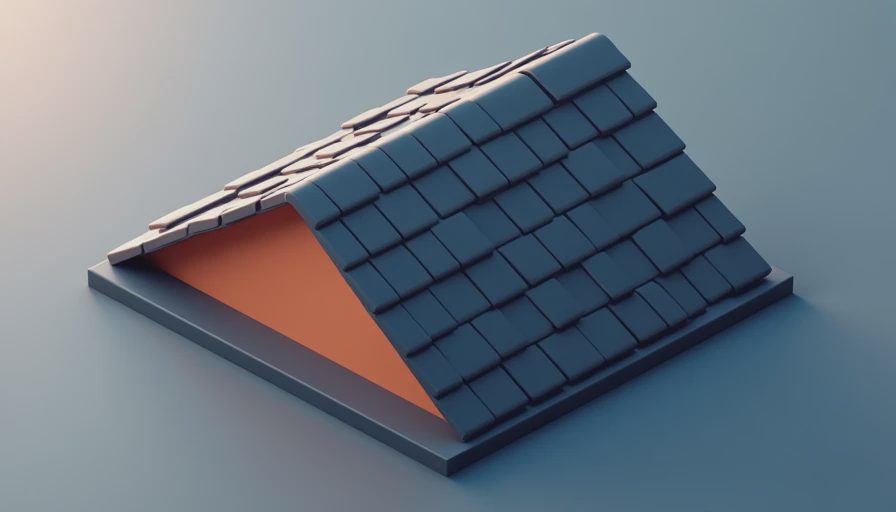
Class 4 impact-resistant shingles are designed to handle more abuse from hail and windblown debris than standard asphalt shingles. For homeowners in storm-prone areas, they can be a practical upgrade, but the highest impact rating does not make a roof damage-proof. The value depends on your local weather, roof design, installation quality, insurance policy, and how long you expect to own the house.
The bottom line is simple: Class 4 shingles are worth a closer look when hail claims are common, your roof is easy to see from the street, or you plan to stay in the home for many years. They cost more than basic three-tab or architectural shingles, yet they can reduce the chance of premature replacement after repeated storms.
What the Class 4 rating actually means
A Class 4 impact rating usually refers to testing under Underwriters Laboratories standard UL 2218. During the test, steel balls are dropped onto roofing samples to imitate the force of hail. A Class 4 product survives the most demanding level in that test without showing a failure that allows the roofing system to lose its intended function.
That description matters because the rating is not a promise that the roof will never be dented, cracked, or cosmetically marked. Real hail varies in size, shape, temperature, and travel speed. A steep roof may experience a different impact than a low-slope section, and flashing, vents, skylights, gutters, and siding can still be damaged during the same storm. Class 4 shingles improve resistance; they do not eliminate weather risk.
Many products earn the rating through a rubberized polymer-modified asphalt layer or a reinforced backing. The added flexibility helps the shingle absorb impact instead of splitting immediately. Some manufacturers sell these products as SBS-modified shingles, while others use proprietary reinforcement systems. Read the product documentation rather than assuming every “impact-resistant” label means the same thing.
How much do Class 4 impact-resistant shingles cost?
Class 4 impact-resistant shingles commonly add roughly $1,000 to $3,500 to the price of a typical U.S. roof replacement, although the difference can be larger on a complex roof or a large two-story home. A standard architectural shingle installation might land around $10,000 to $18,000, while the upgraded version could reach $11,000 to $21,500. Tear-off layers, plywood repairs, steep pitches, valleys, and difficult access can move the quote far beyond those broad ranges.
Material price is only part of the decision. A roofer still has to install underlayment, starter strips, ridge caps, flashing, and ventilation correctly. If a contractor offers an unusually low upgrade price, ask whether the quote includes matching Class 4 ridge caps and hip shingles. Mixing rated field shingles with ordinary accessories can create a weaker finished system and make the warranty discussion more complicated.
A useful comparison is the likely cost of avoiding one early replacement. If a basic roof suffers serious hail damage after eight years, you could pay for another tear-off and installation long before the roof’s expected service life ends. The upgrade does not guarantee that outcome will be avoided, but a homeowner who experiences frequent hail may get more value from resistance than from choosing the cheapest shingle available.
Class 4 impact-resistant shingles and insurance savings
Some insurers offer a premium credit for Class 4 impact-resistant shingles, particularly in regions with regular hail losses. The discount is not automatic, and the requirements vary by company and state. An insurer might request the product name, invoice, certification, photographs, or a roofing contractor’s statement confirming installation. Ask about the credit before signing a roofing contract so you can include the actual savings in your calculation.
For example, a $1,500 upgrade that produces a $100 annual premium reduction would take 15 years to recover through insurance savings alone. That could still be reasonable if the roof also gives you better storm protection and fewer repair concerns. A smaller discount would take longer, while a larger credit could change the decision quickly. Never rely on a contractor’s verbal estimate of insurance savings; request confirmation from your carrier.
Also review the policy’s wind and hail deductible. A Class 4 roof may reduce the chance of damage, but it does not change the deductible unless your policy specifically says so. In some areas, wind or hail claims have separate percentage deductibles rather than a flat $1,000 amount. Understanding that exposure gives you a more realistic view of the upgrade’s financial value.
Installation quality still controls the result
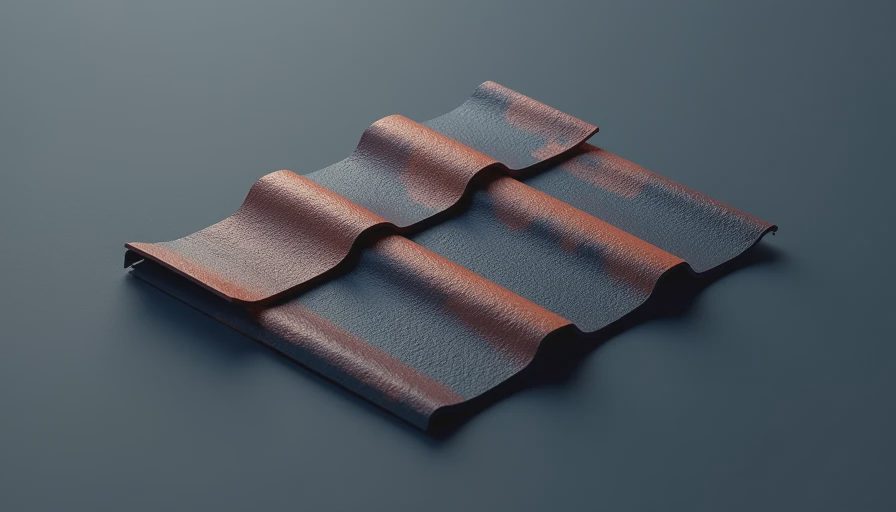
The best Class 4 product can fail early when it is installed carelessly. Start by requesting an itemized proposal that names the manufacturer, product line, color, impact rating, underlayment, flashing method, ventilation work, cleanup, and permit responsibility. “Impact-resistant shingles” by itself is too vague for a useful contract.
Ask how the roofer handles penetrations around plumbing vents, chimneys, skylights, and dormers. These details are common leak points, and they are not solved by paying extra for a stronger shingle. Look for a contractor who explains ice-and-water protection where appropriate, replaces damaged decking instead of covering it blindly, and uses proper fastener placement. The installer should also explain how existing gutters and drip edges will be handled.
Check licensing, general liability coverage, workers’ compensation coverage, references, and manufacturer training where available. A long workmanship warranty is helpful, but only if the company is likely to remain reachable. Compare at least three written proposals, and be cautious when a bid is thousands below the others without a clear explanation. Low labor cost can reflect a smaller crew, fewer included repairs, or shortcuts that are invisible until the first heavy rain.
Brands, warranties, and fine print
Major manufacturers such as GAF, CertainTeed, Owens Corning, and Malarkey offer impact-resistant product lines, but availability differs by market. Do not compare brand names alone. Compare the specific series, warranty language, algae-resistance treatment, wind coverage, color options, and required installation components. A premium warranty may require installation by an approved contractor or use of a complete manufacturer system.
The warranty generally covers manufacturing defects, not every form of storm damage, poor ventilation, improper installation, or normal aging. Hail can damage a roof while leaving limited visible evidence, so a post-storm inspection should be performed by someone who understands roofing systems. Keep the contract, product labels, receipts, permit records, and photographs of the completed work in your home-maintenance file.
A practical buying decision
Class 4 impact-resistant shingles make the strongest case when your neighborhood has recurring hail, your current roof has already suffered impact damage, or your insurance carrier confirms a meaningful discount. They are less compelling when the roof is a small detached structure, the local climate rarely produces hail, or the upgrade would force you to skip essential repairs and ventilation improvements.
Before requesting quotes, photograph the existing roof and note its age, leaks, missing granules, stained areas, and visible repairs. Then ask each roofer to price the same scope with standard architectural shingles and the Class 4 option. Compare the difference in dollars, the expected service life, warranty conditions, and any verified insurance credit.
The smartest roof purchase is not automatically the most expensive one. If the installation is sound and the numbers fit your ownership plans, Class 4 impact-resistant shingles can be a sensible middle ground between basic asphalt and much more expensive roofing materials. Get detailed quotes, confirm the rating, and make workmanship the condition that every option must meet.
Keep Reading

Asphalt vs Metal Roofing: Which Roof Is Better for Your Home?
Asphalt vs metal roofing: compare upfront cost, lifespan, repairs, energy perfor...
Standing Seam vs Corrugated Metal: Which Roof Is Better for Your Home?
Standing seam vs corrugated metal: compare roof cost, durability, maintenance, a...

Architectural Shingles vs 3-Tab: Which Roof Is Better?
Architectural shingles vs 3-tab: compare cost, lifespan, curb appeal, wind perfo...
Owner Letters
0 lettersNo letters yet — be the first to write one.