Architectural Shingles vs 3-Tab: Which Roof Is Better?

If you are comparing architectural shingles vs 3-tab for a roof replacement, the short answer is that architectural shingles usually deliver better long-term value, while 3-tab shingles remain the lower-cost choice. The right decision depends on your budget, how long you expect to stay in the house, local weather, and the quality of the installation.
Both are asphalt shingles, so neither option is automatically a bad roof covering. The difference is in how the shingles are built, how they look on the roof, how they handle wind, and how much useful life you can reasonably expect. A cheaper material can still fail early if the contractor rushes the flashing, ventilation, or nailing pattern.
What Are Architectural and 3-Tab Shingles?
Three-tab shingles are flat, relatively lightweight asphalt shingles with evenly spaced cutouts that create a repeating pattern. Each shingle strip has three visible tabs, which is where the name comes from. Their simple design makes them easy to manufacture and commonly less expensive to buy and install.
Architectural shingles, sometimes called dimensional or laminated shingles, use multiple layers of asphalt material. Their varied shapes and shadow lines create a thicker, more textured appearance that can resemble wood shakes or slate from the street. Popular product families include GAF Timberline, CertainTeed Landmark, Owens Corning Duration, and IKO Cambridge.
The construction difference explains much of the price gap. Architectural shingles contain more material and generally have a heavier weight per roofing square. They also hide minor visual irregularities better because the pattern is less uniform. Three-tab shingles tend to show a clean grid, which some homeowners like, but the look can seem dated beside newer homes with dimensional roofing.
For many homeowners, architectural shingles vs 3-tab is really a question of paying more now for a roof that looks better and typically lasts longer. It is not simply a choice between a good product and a defective one.
Cost: How Much More Do Architectural Shingles Cost?
Material prices change with region, season, roof complexity, and the brand selected. As a broad planning range, 3-tab shingles may cost roughly $3.50 to $5.50 per square foot for a professionally installed roof, while architectural shingles often run about $4.50 to $7.50 per square foot. A roof square equals 100 square feet.
On a straightforward 2,000-square-foot roof, that difference could represent approximately $2,000 to $4,000 before unusual repairs, tear-off fees, permits, or upgraded ventilation. A roof with multiple dormers, valleys, skylights, and steep sections can cost considerably more because labor matters as much as shingle selection.
The lowest quote is not always the lowest total cost. Ask whether the estimate includes removal of the old roof, disposal, ice and water protection where appropriate, synthetic underlayment, flashing replacement, ridge ventilation, starter shingles, and permits. A quote that leaves out $1,500 in necessary work is not truly cheaper.
When comparing architectural shingles vs 3-tab, request the same scope from each contractor. Otherwise, you may be comparing a complete architectural installation with a stripped-down 3-tab proposal.
Lifespan, Wind, and Weather Performance
Manufacturers often market basic 3-tab shingles with limited warranties around 20 to 25 years, while architectural products commonly carry limited warranty periods of 30 years or more. Those numbers are not promises that the roof will reach that age. Attic ventilation, sun exposure, hail, moisture, algae, installation quality, and maintenance all affect actual performance.
Architectural shingles usually have greater thickness and better resistance to wind uplift than entry-level 3-tab products, although the exact rating depends on the model and installation. Some architectural shingles are rated for wind speeds around 110 to 130 miles per hour when installed according to the manufacturer’s requirements. Basic 3-tab products may have lower ratings, often near 60 to 80 miles per hour.
That does not mean a heavier shingle cannot blow off. Poorly driven nails, missing starter strips, inadequate adhesive sealing, and loose flashing can undermine an expensive product. In a storm-prone area, ask the contractor which specific shingle carries the wind rating you need and what fastening pattern is required.
Hail is another complicated issue. A thicker architectural shingle may offer more protection than a basic 3-tab shingle, but ordinary asphalt shingles are not hailproof. If impact resistance matters, compare a specific impact-rated product rather than relying on the category name alone.
Curb Appeal and Home Value
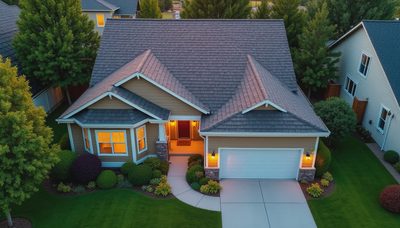
From the street, architectural shingles usually look more substantial. Their varied colors and shadow lines add depth across a large roof plane, and options such as weathered wood, charcoal, slate gray, and driftwood can complement siding and brick. Three-tab shingles generally provide a flatter, more repetitive appearance.
A roof replacement does not guarantee a dollar-for-dollar increase in resale value, but visible condition strongly affects a buyer’s first impression. A basic 3-tab roof can make sense on a modest rental property, detached garage, starter home, or property you expect to sell soon. For a long-term residence, the improved appearance of architectural shingles may justify the added cost even before resale is considered.
Color selection deserves attention. A dark roof can make a small house look more compact, while a blended brown or gray can soften a large roof. Bring home samples and view them in direct sun and shade. Online color displays are useful for narrowing choices but are not reliable enough for a final decision.
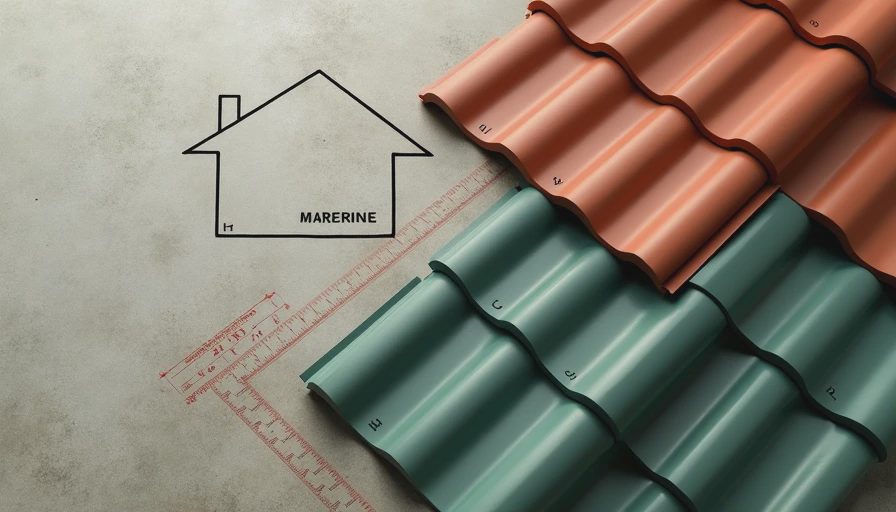
Installation Details Matter More Than the Label
The best shingle can fail when the roof system is installed poorly. Before signing, look for a written scope that identifies the underlayment, drip edge, flashing plan, ventilation, fastener type, and cleanup process. Ask whether the contractor will replace pipe boots and step flashing or simply work around old components.
A proper roof deck inspection is also important. Water-stained plywood, soft decking, and sagging areas may require additional work. Legitimate contractors should explain the price per sheet or square foot for deck replacement rather than hiding a vague allowance in the contract.
Do not assume a manufacturer warranty covers every problem. Many warranties cover defective shingles but exclude poor workmanship, inadequate ventilation, storm damage, and maintenance issues. Some enhanced warranty packages require an approved contractor and may add a fee. Read the workmanship warranty separately from the shingle warranty.
This is where architectural shingles vs 3-tab can become a false debate. A carefully installed 3-tab roof may outperform a poorly installed architectural roof. Material selection matters, but flashing, ventilation, fastening, and water management deserve equal attention.
Which One Should You Choose?
Choose 3-tab shingles when the initial budget is extremely tight, the structure has a simple roof, appearance is a low priority, or you plan to sell or rebuild in the near term. They can be a sensible cost-control choice when installed correctly and matched to the home’s expected service life.
Choose architectural shingles when you want stronger curb appeal, expect to remain in the home for many years, live in an area with demanding weather, or want a more modern roofing profile. The higher upfront price can be reasonable when spread across a longer ownership period. For example, paying $3,000 more for a roof that lasts several additional years may be easier to justify than paying for another full replacement sooner.
Before deciding on architectural shingles vs 3-tab, collect at least three itemized estimates. Compare the exact brand and model, warranty terms, tear-off assumptions, ventilation work, decking allowance, and contractor insurance. Ask for recent local references and verify that the crew, not just the salesperson, understands the manufacturer’s installation instructions.
In most owner-occupied homes, architectural shingles are the better overall choice. Three-tab shingles still have a place when price is the controlling factor, but the savings should be weighed against shorter expected life and a less distinctive appearance. A clear contract and skilled installer will do more for your result than a flashy product name.
Keep Reading
Metal Roof vs Shingles Cost: Which Roof Is the Better Value?
Metal roof vs shingles cost: compare installed prices, lifespan, maintenance, re...
Best Roofing Material for Your Home: Cost, Lifespan, and Installation Guide
Best roofing material choices for U.S. homes: compare cost, lifespan, maintenanc...
Roof Types: A Homeowner’s Guide to Cost, Lifespan, and Installation
Roof types explained for homeowners: compare cost, lifespan, maintenance, and in...
Owner Letters
0 lettersNo letters yet — be the first to write one.