Best Roofing Material for Your Home: Cost, Lifespan, and Installation Guide
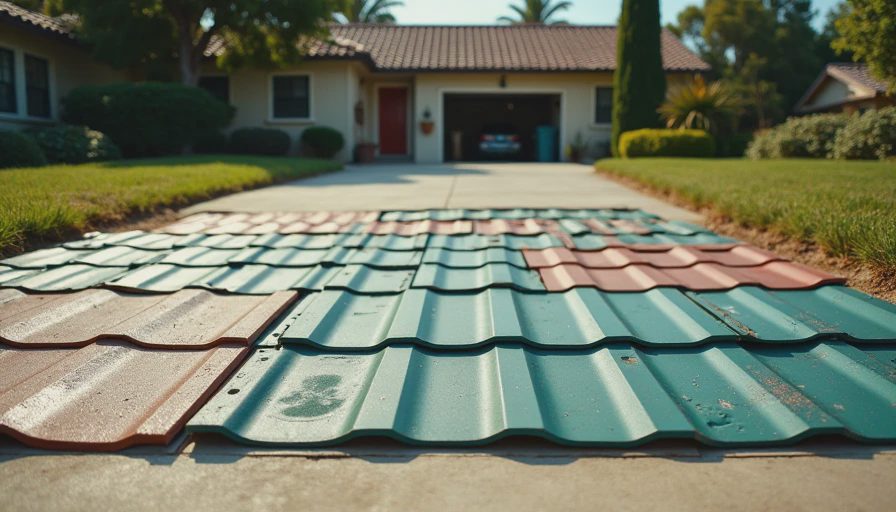
Choosing the best roofing material is less about finding one universal winner and more about matching a roof to your budget, climate, roof design, and plans for the house. Asphalt shingles are often the practical starting point, but metal, tile, wood, and synthetic products can make better sense in the right situation. The best choice should balance purchase price with service life, maintenance, curb appeal, storm performance, and the quality of local installation.
Start With Your Budget and Roof Goals
For many U.S. homes, architectural asphalt shingles provide the lowest initial cost. A complete replacement commonly falls somewhere around $8,000 to $20,000 for an average-sized house, although roof size, pitch, tear-off work, ventilation, and regional labor rates can move that figure substantially. Basic three-tab shingles cost less but usually offer fewer design and warranty advantages than architectural products.
If you expect to stay in the home for decades, the best roofing material may be one with a higher installation price and a longer useful life. Standing-seam metal roofing can cost roughly $14,000 to $35,000 or more, while concrete tile may land in a similar or higher range. Premium materials can reduce replacement frequency, but they do not automatically produce a better financial outcome. A homeowner selling in five years may value appearance and buyer appeal more than a roof designed to last 70 years.
Get at least three detailed quotes, and compare the scope rather than only the total. One contractor may include new flashing, drip edge, ridge vents, and permit fees while another lists them as extras. A cheap proposal can become expensive when critical water-shedding details are missing.
How Common Roofing Materials Compare
Asphalt shingles remain the easiest all-around recommendation for budget-conscious homeowners. Modern architectural shingles are widely available, relatively simple to repair, and offered in many colors. A quality installation can often last 20 to 30 years, though intense heat, hail, poor attic ventilation, and storm exposure can shorten that period. Brands such as GAF, Owens Corning, and CertainTeed offer multiple product tiers, so the brand name alone does not tell you what you are buying.
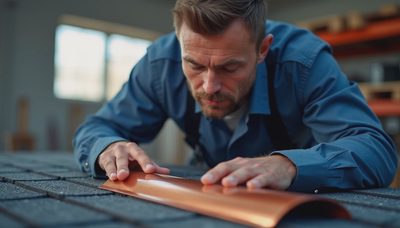
Metal roofing is strong, lightweight, and available in panels or stamped styles that resemble shingles, slate, or tile. Galvanized steel and aluminum are common choices, while copper is a premium option. Properly installed metal can last 40 to 70 years. Its drawbacks include a higher upfront price, more visible installation errors, and the need for compatible underlayment and flashing. Fasteners, seams, and penetrations deserve close inspection because a durable panel cannot compensate for careless detailing.
Clay and concrete tile perform well in hot, sunny regions and can last for many decades. They resist rot and insect damage, but tile is heavy and may require structural review before installation. Broken tiles can also be difficult to match years later. Wood shakes provide a distinctive appearance but require more maintenance and may face restrictions in areas with wildfire concerns. Synthetic slate and composite roofing can imitate premium materials at lower weight, but warranty terms and actual installer experience vary widely.
Climate Should Influence the Best Roofing Material
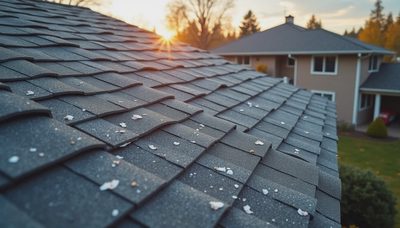
Weather exposure can change the answer quickly. In a region with frequent hail, ask contractors how a proposed product handles impact and what the warranty actually covers. A “impact-resistant” label is not the same as a promise that hail damage will never occur. Read whether the rating applies to the specific product line and whether installation requirements affect eligibility.
In hot climates, light-colored shingles, reflective coatings, metal, and tile may help manage solar heat, although attic insulation and ventilation also matter. In coastal areas, corrosion-resistant fasteners and materials are essential. Aluminum panels may suit some salt-air environments better than untreated steel. In northern states, the roof must handle snow loads, ice dams, freeze-thaw cycles, and heavy wind. Good air sealing and insulation can be just as important as the visible covering.
Your roof shape matters too. Low-slope sections need carefully selected membranes and drainage details rather than a standard shingle solution. Complex roofs with valleys, dormers, skylights, and multiple penetrations carry more installation risk. In those cases, flashing design and crew experience should influence the best roofing material more than a showroom sample.
Installation Quality Beats a Fancy Product
Even the best roofing material can fail early when the contractor skips preparation. Before accepting a quote, ask who will perform the work, whether the crew is employed or subcontracted, and how the contractor handles damaged decking. Request proof of liability insurance and workers’ compensation coverage where applicable. You also want a written scope describing tear-off layers, underlayment, flashing replacement, ventilation, cleanup, and warranty registration.
Look closely at valleys, chimneys, walls, skylights, and pipe boots. These areas create many leaks because water must transition between surfaces. A responsible roofer should explain whether existing flashing will be reused or replaced. Do not accept vague language such as “install to code” as the entire specification. Building code is a baseline, not a detailed promise about workmanship or upgraded materials.
Manufacturer warranties also need careful reading. A lifetime shingle warranty usually refers to the expected ownership period under stated conditions, not an unlimited guarantee against every leak. Workmanship coverage often comes from the contractor, while material defects are handled by the manufacturer. Keep invoices, product labels, inspection records, and photographs in your home file.
A Practical Way to Choose
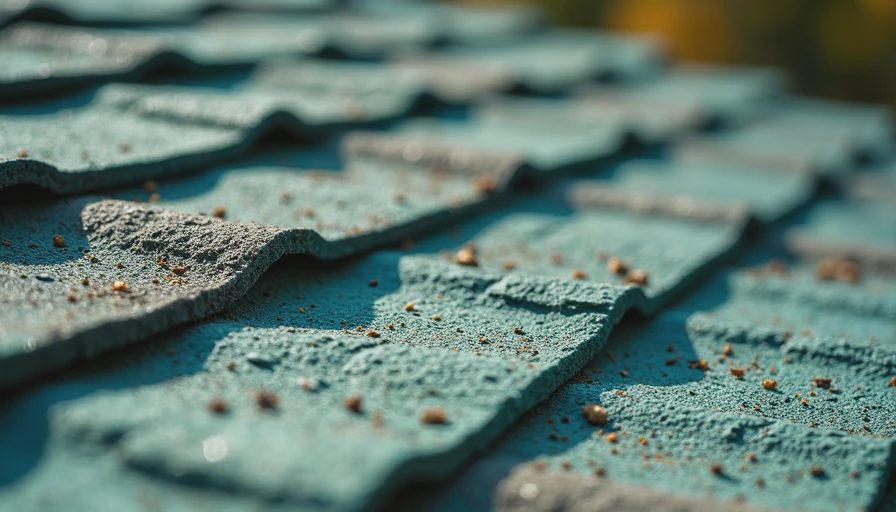
Start by setting a realistic maximum budget that includes possible plywood replacement, ventilation improvements, gutters, and disposal. Next, identify the problems your current roof has developed. Curling shingles suggest age or heat exposure; granule loss can indicate wear; recurring leaks near a chimney often point to flashing rather than the field material.
Then compare at least two material categories, not just three shingle brands. Ask each contractor for the expected service life, maintenance needs, repair availability, weight, and estimated replacement cost. If a metal roof is twice the price of asphalt, calculate whether you will actually remain in the home long enough to benefit from its longer life. If tile requires structural reinforcement, include that expense before deciding.
The best roofing material should also fit the neighborhood and resale expectations. A premium roof on a modest starter home may not return its full cost, while an attractive tile or metal roof can support the character of a custom property. Practicality is not the same as choosing the cheapest bid.
Questions to Ask Before Signing a Contract
Ask for the exact manufacturer, product line, color, underlayment, ventilation components, and flashing plan. Confirm how many layers will be removed and whether the crew will inspect decking after tear-off. Ask how weather delays are handled and whether temporary protection is included if rain arrives overnight.
You should also ask for the payment schedule. A modest deposit is common, but be cautious about paying the entire contract before materials arrive or work begins. Confirm the start date, cleanup responsibility, permit handling, and final walkthrough. Take photographs of the roof and surrounding landscaping before work starts so damage or incomplete cleanup is easier to document.
There is no single best roofing material for every American home. Asphalt usually wins on value and availability, metal excels when long life and storm resilience justify the price, and tile or synthetic products can deliver distinctive appearance and durability. Choose the system that fits the climate, structure, budget, and installer. A clear quote from a qualified roofer is more valuable than an impressive product name attached to weak workmanship.
Keep Reading
Roof Types: A Homeowner’s Guide to Cost, Lifespan, and Installation
Roof types explained for homeowners: compare cost, lifespan, maintenance, and in...
Roofing Materials: How to Choose the Right Roof for Your Home
Roofing materials compared by cost, lifespan, maintenance, and installation risk...
Impact-Resistant Shingles: When the Extra Cost Is Worth It
Class 4 impact-resistant shingles cost more than standard architectural products...
Owner Letters
0 lettersNo letters yet — be the first to write one.