Metal Roof vs Shingles Cost: Which Roof Is the Better Value?
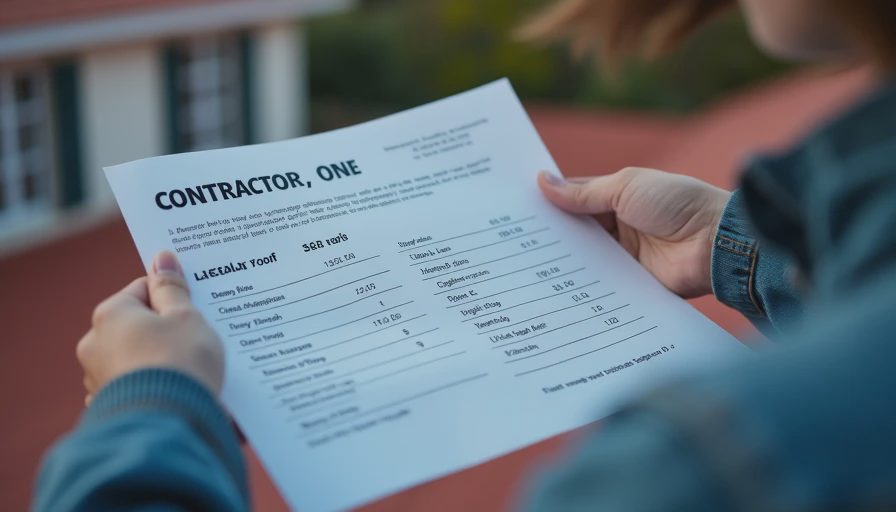
If you are comparing metal roof vs shingles cost, the first quote can make the decision seem simple: asphalt shingles usually cost less upfront, while metal roofing often costs more but lasts longer. That comparison is directionally correct, but it leaves out the details that determine whether the cheaper roof is actually cheaper over time. Roof size, slope, tear-off work, ventilation, local labor, material quality, and installation skill can change the final price by thousands of dollars.
For a typical U.S. home, architectural asphalt shingles often run about $6,000 to $16,000 installed, while a quality metal roof commonly ranges from $12,000 to $30,000 or more. These are broad planning ranges, not guarantees. A small ranch house with an uncomplicated roof may fall below them, while a steep roof with multiple valleys, dormers, skylights, or two existing layers can exceed them quickly.
Metal roof vs shingles cost at installation
The biggest gap is usually labor and material pricing. Asphalt shingles are mass-produced, familiar to most roofing crews, and relatively fast to install. Three-tab shingles are the least expensive option, although many homeowners choose architectural shingles because they look better and generally offer stronger warranties. A midrange architectural shingle roof may cost roughly $4 to $7 per square foot installed, including common tear-off and underlayment work.
Metal roofing has a wider price range because “metal roof” can describe several products. Exposed-fastener panels may cost around $5 to $9 per square foot installed. Standing-seam metal, which hides the fasteners and provides a cleaner appearance, often lands closer to $8 to $16 per square foot. Aluminum, zinc, and copper are specialty choices that can push the price much higher. The metal gauge, coating, panel profile, trim complexity, and fastening method all matter.
A quote that looks cheap may also exclude important work. Ask whether it includes removal and disposal of the old roof, ice-and-water protection, synthetic underlayment, drip edge, flashing replacement, ridge ventilation, permits, attic repairs, and cleanup. Comparing only the material line is one of the fastest ways to misunderstand metal roof vs shingles cost.
What changes the final roofing quote?
Roof geometry is often more important than the square footage of the house. A simple gable roof has long, open planes that make installation efficient. A roof with hips, valleys, wall intersections, chimneys, and skylights requires more cutting and flashing. Metal panels also need careful measuring and detailing around those features, so a complicated design can increase labor substantially.
Tear-off conditions create another variable. One layer of aging asphalt shingles is relatively straightforward to remove. Two layers, saturated decking, hidden rot, or old nails can add disposal and carpentry charges. A contractor may quote an allowance for damaged decking, often around $75 to $150 per sheet, although local pricing varies. The right contract should explain how additional repairs are approved before work proceeds.
Location affects both materials and labor. Roofing crews in high-cost metro areas generally charge more than crews in smaller markets. Coastal exposure may favor corrosion-resistant coatings or aluminum, while hail-prone areas may make impact-rated shingles worth considering. The best comparison is not a national average; it is two or three detailed local proposals using the same scope of work.
Lifespan and replacement timing
Asphalt shingles commonly last about 15 to 30 years, depending on product quality, climate, ventilation, installation, and maintenance. Basic three-tab products tend to occupy the shorter end of that range. Architectural shingles often provide a more durable surface and better curb appeal, but they still face heat, wind, hail, algae, and moisture-related wear.
A properly installed metal roof can last 40 to 70 years or longer, depending on the metal, coating, environment, and maintenance. That longer service life is the main reason homeowners accept a higher initial bill. If you expect to stay in the home for decades, avoiding a second replacement can make metal roof vs shingles cost look very different on a lifetime basis.
However, do not treat lifespan as a guarantee. A metal roof with poorly sealed penetrations, loose trim, incompatible fasteners, or inadequate expansion details can develop problems early. Likewise, a well-installed architectural shingle roof may perform beyond its basic warranty period. Workmanship is not a minor detail; it often matters more than the product brochure.
Maintenance, repairs, and insurance questions
Shingle maintenance usually involves clearing debris, watching for lifted or missing tabs, cleaning gutters, and checking flashing after severe weather. Individual shingles are relatively easy to replace, which can keep small repair bills manageable. Algae-resistant options can improve appearance in damp climates, but they do not eliminate the need for ventilation and drainage.
Metal roofing resists fire, insects, and many forms of rot, but it is not maintenance-free. Inspect fasteners, seams, penetrations, coatings, and flashing periodically. A dented panel may be repairable, but matching an older finish can be difficult. Walking on some metal profiles without proper knowledge can also cause cosmetic or structural damage.
Insurance discounts are not automatic. Some insurers offer favorable treatment for impact-resistant roofing or certain fire-resistant materials, while others do not offer a meaningful difference. Ask your carrier about documentation, approved ratings, and whether the savings justify the upgrade. A roofing material can protect the home without lowering the premium.
How to compare quotes fairly
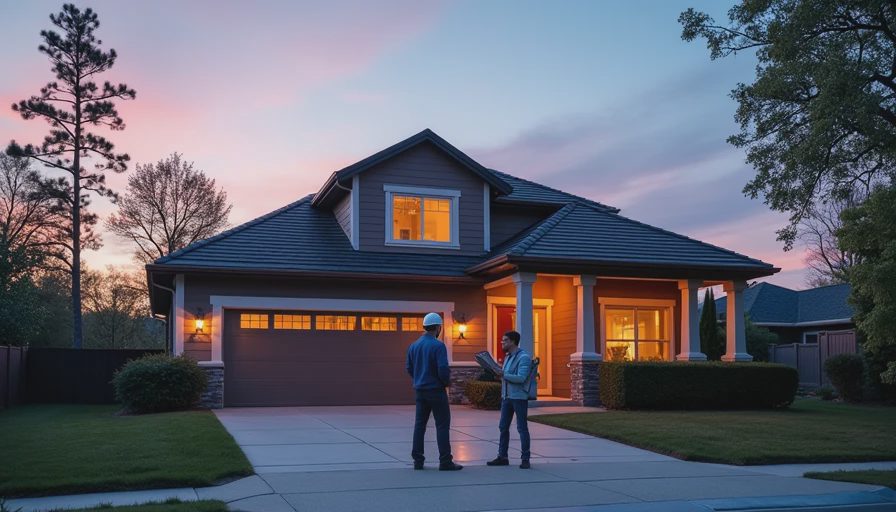
Start with a written scope rather than a single total. Each contractor should identify the proposed material, manufacturer, product line, underlayment, flashing approach, ventilation work, fasteners, warranty terms, permit responsibility, and cleanup. If one estimate includes a full tear-off and another assumes installation over existing shingles, they are not comparable.
For metal roof vs shingles cost, also ask who will install the roof. Some companies subcontract every project, while others use their own crews. Neither arrangement is automatically wrong, but you should know who is responsible for workmanship and whether the installer has experience with the specific metal system. Request photos of similar completed roofs and confirm that the contractor carries appropriate insurance.
Be cautious with unusually low bids. A quote $5,000 below the others might reflect thinner materials, missing ventilation, minimal flashing replacement, unpaid disposal costs, or rushed labor. The lowest number can become the most expensive option if leaks damage insulation, drywall, decking, or interior finishes.
Which roof makes more financial sense?
Shingles usually make sense when the budget is tight, the home may be sold within several years, or the roof design is simple and easy to repair. A quality architectural shingle roof can provide attractive curb appeal without the larger initial commitment. It is also easier to match if a section needs replacement later.
Metal can be the stronger choice for a long-term homeowner who values fewer replacement cycles, fire resistance, durability, and a distinctive appearance. The best financial case appears when the roof is installed correctly, the homeowner stays long enough to benefit from its service life, and the product is appropriate for the climate. Metal roof vs shingles cost should therefore be judged against ownership plans, not just the first invoice.
Before signing, collect at least three itemized quotes, verify references, inspect the attic for ventilation and moisture issues, and read both the manufacturer and contractor warranties. A sound decision balances purchase price, expected service life, repair access, resale goals, and installation quality. In many homes, a well-installed midrange shingle roof is smarter than a poorly installed premium metal system, while a carefully detailed metal roof can be the better long-term investment.
Keep Reading
Best Roofing Material for Your Home: Cost, Lifespan, and Installation Guide
Best roofing material choices for U.S. homes: compare cost, lifespan, maintenanc...
Roof Types: A Homeowner’s Guide to Cost, Lifespan, and Installation
Roof types explained for homeowners: compare cost, lifespan, maintenance, and in...
Roofing Materials: How to Choose the Right Roof for Your Home
Roofing materials compared by cost, lifespan, maintenance, and installation risk...
Owner Letters
0 lettersNo letters yet — be the first to write one.