Standing Seam vs Corrugated Metal: Which Roof Is Better for Your Home?
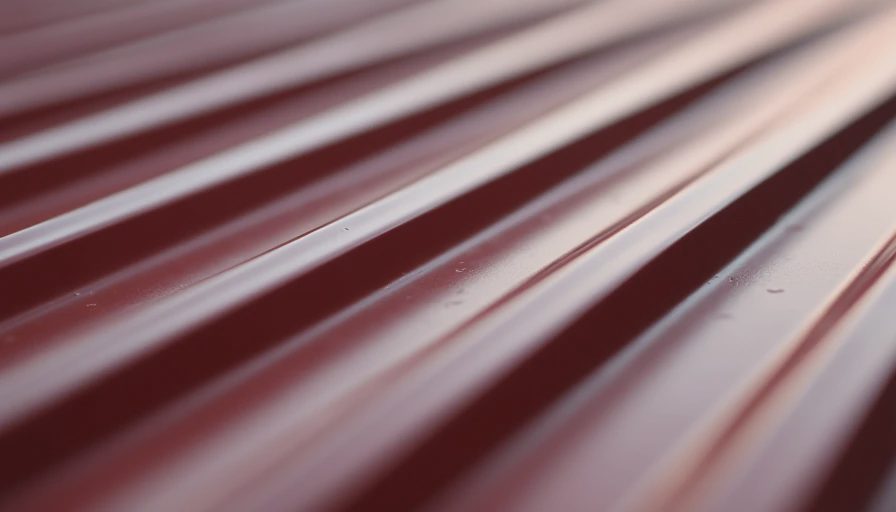
If you are comparing standing seam vs corrugated metal, the bottom line is fairly simple: standing seam usually offers a cleaner appearance, longer service life, and fewer exposed fastener problems, while corrugated metal generally costs less upfront and works well for budget-conscious projects. Neither material automatically makes a good roof. The panels, underlayment, flashing, ventilation, and installation details matter just as much as the metal itself.
For a typical U.S. home, standing seam often makes more sense when you plan to stay in the property for decades and want a low-maintenance roof. Corrugated panels can be the smarter choice for a garage, barn, workshop, cabin, or carefully managed residential project where initial cost is the leading concern.
How the Two Metal Roofing Systems Work
Standing seam roofing uses long panels with raised vertical seams. The panels are usually attached with concealed clips or fasteners, allowing the metal to expand and contract as temperatures change. The visible result is a series of clean, uninterrupted lines running from the ridge toward the eaves. Steel, aluminum, and sometimes copper can be used, although painted steel is a common residential option.
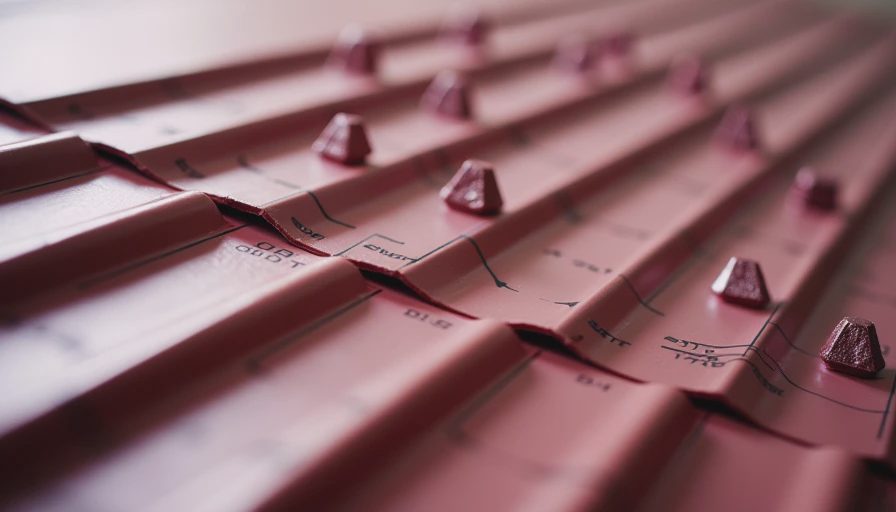
Corrugated metal uses panels shaped with repeating ribs or waves. The profile adds strength, but the panels are commonly secured with screws driven through the face of the metal. Those screws usually have rubber or neoprene washers designed to seal the opening. The system is straightforward, widely available, and often easier for a contractor to source and install.
This difference explains much of the debate around standing seam vs corrugated metal. Concealed attachment reduces the number of holes exposed to weather, while exposed fasteners make installation quality and long-term washer performance especially important. A well-installed corrugated roof can perform for many years, but it has more visible components that require inspection.
Cost: Where the Initial Price Difference Comes From
Installed pricing varies by region, roof geometry, metal thickness, finish, tear-off requirements, and labor availability. As a broad planning range, a residential standing seam roof may land around $9 to $16 per square foot installed. Corrugated metal may commonly fall closer to $6 to $12 per square foot. A 2,000-square-foot roof surface could therefore show a difference of several thousand dollars before unusual details are added.
Standing seam costs more because panels are often custom cut, clips must be placed correctly, and roof penetrations require careful detailing. Eaves, valleys, dormers, skylights, chimneys, and sidewall transitions can raise labor time quickly. Corrugated panels are frequently stocked in standard lengths and profiles, which can reduce material and installation costs.
However, the lowest quote is not always the lowest long-term cost. Ask whether the proposal includes removal of the old roof, synthetic underlayment, ice and water protection, new edging, flashing, fasteners, ventilation work, permits, and disposal. A quote that leaves out $2,000 in flashing or deck repairs is not a real comparison.
Lifespan and Maintenance Expectations
A properly installed standing seam roof can often serve for 40 to 70 years, depending on the metal, coating, climate, slope, and maintenance. Many homeowners choose it because there are fewer exposed fasteners to loosen, corrode, or lose their sealing washers. The panels still need inspection, especially around penetrations and trim, but routine upkeep is usually limited.
Corrugated metal roofs can last roughly 20 to 40 years, and premium materials may perform longer. Their practical lifespan depends heavily on screw quality, washer condition, panel coating, and whether water repeatedly collects around fastener locations. A roof in a dry climate with good drainage may age differently from one exposed to salt air, heavy snow, or frequent freeze-thaw cycles.
In the standing seam vs corrugated metal decision, maintenance is not just about the panel surface. Look for peeling paint, red rust, failed sealant, loose screws, damaged trim, and metal debris near valleys. Do not let a contractor cover old leaks with new panels without identifying the original water path. Metal can shed water efficiently while still hiding a flashing failure underneath.
Appearance, Noise, and Weather Performance
Standing seam creates a modern, orderly look that works especially well on contemporary, farmhouse, mountain, and minimalist homes. Panels can be finished in colors such as charcoal, bronze, green, white, or matte black. Because the seams are prominent but the surface is relatively smooth, the roof can look more like an intentional architectural feature than a utility covering.
Corrugated metal has a more textured, agricultural, or industrial appearance. That character can be attractive on a barn-style home or detached structure, but it may look busy on a roof with many hips, valleys, and small sections. The exposed screw heads are also more noticeable, particularly when the panel color and fastener color do not match.
Both systems can be noisy during heavy rain if the roof assembly lacks adequate insulation or underlayment. Metal roofing is not automatically louder than asphalt shingles inside a finished home. Wind performance also depends on the entire assembly, including fastening patterns, substrate condition, edge details, and the contractor's installation practices. Strong material on a weak deck is still a poor roofing system.
Installation Risks Homeowners Should Catch Early
The most expensive mistakes usually involve workmanship rather than the brand stamped on the panel. Before accepting a bid, ask to see completed projects using the same system. A contractor experienced with asphalt shingles may not have the same skill with concealed clips, metal valleys, expansion details, or custom flashing.
For standing seam, ask how the installer will handle roof penetrations, end laps if any are needed, panel movement, snow guards, valleys, and transitions to walls. Panels should not be forced tightly around pipes or chimneys. The attachment method must allow controlled movement instead of locking every panel rigidly to the deck.
For corrugated metal, ask which screw type and washer material will be used, how screws will be driven, and whether the installer replaces damaged or overdriven fasteners. A screw driven too deeply can crush the washer and create a future leak. A screw left loose can allow movement and water entry. The contractor should also explain how exposed fasteners will be inspected and replaced.
The best standing seam vs corrugated metal comparison is therefore also a comparison of local installer experience. Request a written scope, product data, finish warranty information, and a clear statement about workmanship coverage. Manufacturer warranties typically address particular coating or material defects, not every leak caused by poor installation.
Making the Right Choice for Your Property
Choose standing seam when you want a long-term primary roof, prefer a clean appearance, can handle the larger initial investment, and have access to a contractor who regularly installs the system. It is particularly compelling when the home has a simple roof shape and you expect to remain there for 15 years or more.
Choose corrugated metal when the budget is tighter, the project is a garage or outbuilding, or the profile suits the home's design. It can also be reasonable for a straightforward roof where a qualified installer provides high-quality fasteners and a detailed maintenance plan. Saving money on the panel but hiring inexperienced labor is a false economy.
When reviewing standing seam vs corrugated metal quotes, compare the complete roof assembly rather than the panel price alone. Put each bid side by side and check panel gauge, coating, underlayment, flashing, trim, ventilation, tear-off, disposal, permits, and labor warranty. Get at least two or three detailed estimates, then call references from projects completed several years ago.
The right roof is the one that matches your budget, design, climate, and expected ownership period. If you want fewer exposed failure points and a refined residential finish, standing seam deserves the extra investment. If upfront savings and a practical, durable profile matter more, corrugated metal can be a sound choice when installation is done carefully.
Keep Reading

Architectural Shingles vs 3-Tab: Which Roof Is Better?
Architectural shingles vs 3-tab: compare cost, lifespan, curb appeal, wind perfo...

Metal Roof vs Shingles Cost: Which Roof Is the Better Value?
Metal roof vs shingles cost: compare installed prices, lifespan, maintenance, re...
Best Roofing Material for Your Home: Cost, Lifespan, and Installation Guide
Best roofing material choices for U.S. homes: compare cost, lifespan, maintenanc...
Owner Letters
0 lettersNo letters yet — be the first to write one.