Asphalt vs Metal Roofing: Which Roof Is Better for Your Home?
When homeowners compare asphalt vs metal roofing, the real question is not which material wins in every category. It is which roof fits the home, budget, climate, and expected ownership period. Asphalt shingles usually cost less upfront and are easier to find, while metal roofing can last much longer and resist several common forms of damage. The best choice depends on the full cost over time, not just the first estimate.
Comparing upfront roofing costs
Asphalt shingles are the lower-cost starting point for most American homes. A professional architectural shingle installation commonly falls around $6,000 to $15,000 for an average-sized roof, although steep slopes, multiple layers, difficult access, and premium shingles can push the quote higher. Basic three-tab shingles cost less, but many homeowners now choose architectural products because they look better and generally carry stronger warranties.
Metal roofing has a wider price range. A standard exposed-fastener steel roof may cost roughly $8,000 to $18,000, while a concealed-fastener standing-seam system can reach $15,000 to $30,000 or more. Aluminum, zinc, and copper cost substantially more. In an asphalt vs metal roofing comparison, metal often requires a larger check at the beginning, especially when the installer must remove an old roof, repair decking, or build custom flashing around chimneys and skylights.
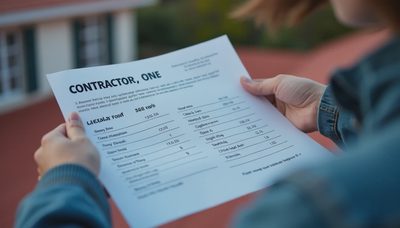
Get at least three detailed proposals rather than comparing only the total price. A clean quote should identify tear-off, underlayment, ventilation work, flashing, permits, disposal, fasteners, and labor. An estimate that omits these items can look inexpensive until construction begins.
Lifespan, maintenance, and repair expectations
Typical asphalt shingles last about 15 to 30 years, depending on product quality, ventilation, sun exposure, weather, and installation. An inexpensive roof in a hot, storm-prone area may need replacement sooner than a well-installed architectural roof in a mild climate. Repairs are usually straightforward: a roofer can replace damaged shingles, reseal a flashing joint, or correct a small leak without rebuilding the entire roof.
Metal roofing commonly lasts 40 to 70 years, and some systems can remain serviceable longer when properly installed and maintained. Metal does not rot, and many panels resist insects, mildew, and fire. However, it is not maintenance-free. Fasteners can loosen, coatings can weather, seams can be damaged, and poorly designed valley or flashing details can leak. Finding a qualified metal-roofing contractor may also be harder in some areas than finding a shingle installer.
The practical advantage of metal is reduced replacement frequency. If you plan to own the house for 25 years or longer, avoiding a second full tear-off can change the financial calculation. If you expect to move within five to ten years, the longer lifespan may not repay the higher initial price unless buyers in your market value the upgrade.
Weather, fire, and energy performance
Climate should have a major role in an asphalt vs metal roofing decision. Quality metal panels shed rain and snow effectively, and properly attached systems can perform well in high-wind areas. They also provide strong fire resistance, particularly when paired with a suitable roof assembly and noncombustible underlayment. Shingles can also meet demanding wind and fire ratings, but the exact product and installation method matter.
Metal roofs reflect more solar energy when they have a light-colored, reflective coating. This can reduce heat entering an attic during sunny summer weather, though the savings depend on insulation, ventilation, roof color, HVAC efficiency, and local climate. Dark metal may absorb considerable heat, so simply choosing metal does not guarantee a cooler home.
Hail deserves a careful discussion. Metal panels can dent, especially softer alloys or products with a wide unsupported span. A dent may be cosmetic, but a damaged seam or coating can become a maintenance issue. Asphalt shingles can lose granules or crack after hail. Ask both your contractor and insurance carrier how the proposed product is classified, because roofing claims and discounts can depend on material, roof age, impact rating, and local rules.
Appearance, noise, and resale considerations
Modern asphalt shingles offer many colors and textures, making them easy to match with brick, siding, stone, or painted trim. They have a familiar appearance that rarely creates problems with neighborhood expectations. Premium designer shingles can imitate slate or wood shake while remaining less expensive than those materials.
Metal roofs range from traditional standing-seam panels to stamped metal shingles that resemble slate or tile. A carefully selected finish can give a home a crisp, modern look, but a low-quality installation may appear uneven around dormers and roof transitions. Metal can also be louder during heavy rain if the attic lacks insulation or the roof assembly is designed poorly. With solid sheathing, insulation, and proper underlayment, indoor noise is usually far less dramatic than homeowners expect.
Resale value is difficult to predict. Buyers may appreciate a newer metal roof because it suggests fewer near-term replacement costs. Others may prefer the familiar look and lower perceived repair expense of asphalt. Keep records, product details, transferable warranty information, and final inspection documents for either material. Documentation can matter more than a vague claim that the roof is premium.
Installation quality matters more than the label
The strongest material can fail when the workmanship is careless. For asphalt, common trouble spots include inadequate starter strips, incorrect nail placement, missing drip edge, poor attic ventilation, and flashing that is reused when it should be replaced. For metal, risk often centers on incorrect panel alignment, overdriven fasteners, inadequate expansion planning, damaged coatings, and shortcuts around penetrations.
Ask every contractor who will actually perform the work. Verify licensing and insurance where required, request recent local references, and look for a written scope rather than a one-page price. A legitimate proposal should explain the underlayment, ice barrier where appropriate, ventilation plan, flashing approach, cleanup, workmanship warranty, and payment schedule.
Be cautious when a company recommends installing a metal roof directly over an existing shingle roof without explaining the assembly. Overlay systems can be appropriate in some situations, but concealed damage, uneven decking, ventilation problems, and local code requirements still need attention. A lower labor bill is not a bargain if the roof deck or flashing is never properly inspected.
A practical way to choose between them
Start by deciding how long you expect to own the property. For a starter home, rental, or sale within several years, architectural asphalt often offers the better balance of appearance, price, and repairability. For a long-term home, a metal system may justify its cost through extended service life, lower replacement frequency, and strong performance in rain or fire-prone conditions.
Next, evaluate the roof itself. A simple gable roof is usually less expensive in either material than a complex roof with valleys, dormers, skylights, and multiple penetrations. Metal’s labor premium can become especially noticeable on a complicated design. Also consider attic insulation and ventilation before assuming a new roof will lower cooling bills.
Finally, compare complete installed quotes. In an asphalt vs metal roofing decision, a $9,000 shingle estimate and a $20,000 metal estimate do not represent equivalent lifespans or maintenance schedules. Ask what each roof should realistically require over 20 years, including likely repairs and eventual replacement. That side-by-side view is more useful than chasing the lowest bid.
Final recommendation for homeowners
Asphalt is usually the sensible choice when upfront affordability, easy repairs, broad contractor availability, and familiar appearance lead your priorities. Choose a reputable architectural shingle, insist on proper flashing and ventilation, and avoid selecting a contractor solely because the bid is several thousand dollars lower.
Metal deserves serious consideration when you plan to stay in the home for decades, want fewer full replacements, value fire resistance, or prefer its appearance. Spend time finding an installer with documented metal experience, because panel design and workmanship have a direct effect on performance.
The bottom line in asphalt vs metal roofing is simple: asphalt generally wins the short-term budget test, while metal can win the long-term ownership test. Request detailed quotes for both, inspect the roof deck and attic conditions, and choose the system your home can support and your contractor can install correctly.
Keep Reading
Standing Seam vs Corrugated Metal: Which Roof Is Better for Your Home?
Standing seam vs corrugated metal: compare roof cost, durability, maintenance, a...

Architectural Shingles vs 3-Tab: Which Roof Is Better?
Architectural shingles vs 3-tab: compare cost, lifespan, curb appeal, wind perfo...
Metal Roof vs Shingles Cost: Which Roof Is the Better Value?
Metal roof vs shingles cost: compare installed prices, lifespan, maintenance, re...
Owner Letters
0 lettersNo letters yet — be the first to write one.