Which Roofing Material Lasts the Longest? A Homeowner’s Guide
If you are asking which roofing material lasts the longest, the short answer is natural slate, followed closely by high-quality clay tile, concrete tile, copper, and well-installed standing-seam metal. Some of these roofs can protect a home for 50 to 150 years. The catch is that the longest-lasting option is not automatically the best purchase. Roof pitch, local weather, structural support, installation quality, repair access, and your budget can matter just as much as the material itself.
A roof is a system, not merely a visible surface. Underlayment, flashing, ventilation, fasteners, and roof decking all affect service life. Even premium slate can fail early when flashing is poorly installed or water is trapped beneath the covering. This guide compares the major materials so you can evaluate a quote based on realistic lifespan and total ownership cost rather than an impressive warranty headline.
Which roofing material lasts the longest in real homes?
Natural slate usually ranks first for longevity. A properly installed slate roof can last 75 to 150 years or longer, and historic slate roofs demonstrate that the material can outlive several generations of homeowners. Slate resists fire, rot, insects, and many severe weather conditions. It also gives a home a distinctive appearance that is difficult to replicate with manufactured products.
The major drawback is weight and cost. Slate can cost roughly $15 to $35 or more per square foot installed, depending on the type of stone, roof complexity, region, and labor availability. The framing must be strong enough to support it, and repairs require a roofer familiar with slate rather than a general crew. Replacing one damaged piece is possible, but finding matching slate years later can be difficult.
Clay and concrete tile are also long-term choices. Clay tile commonly lasts 50 to 100 years, while concrete tile often lasts 40 to 75 years. Both handle sunlight well and are naturally resistant to fire and decay. Tile can crack from impact, freezing conditions, or foot traffic, but individual pieces can often be replaced without removing the entire roof. Concrete tile is generally less expensive than clay, although both require a structure designed for substantial weight.
How metal roofing compares with slate and tile
When homeowners ask which roofing material lasts the longest, metal deserves serious attention because it offers a strong balance between lifespan and practicality. Standing-seam steel or aluminum roofs commonly last 40 to 70 years when the panels, coatings, and fasteners are properly selected. Copper can last 70 to 100 years or more, but its high price places it in a specialty category.
Metal is lighter than slate or tile, making it suitable for more homes without major structural reinforcement. It sheds rain and snow efficiently, and concealed-fastener standing-seam systems eliminate many exposed screw problems. Aluminum is especially useful in coastal areas because it resists corrosion better than ordinary steel. Galvanized and stone-coated steel can also perform well, but coating quality and edge detailing deserve close inspection.
Metal is not maintenance-free. Loose trim, damaged coatings, incompatible metals, and careless installation around chimneys can create leaks. Metal also expands and contracts with temperature changes, so installers need to follow the manufacturer’s fastening and spacing requirements. A low bid using exposed fasteners may not deliver the same service life as a properly detailed standing-seam system.
The practical case for asphalt shingles
Asphalt shingles rarely win the answer to which roofing material lasts the longest, but they remain the most practical choice for many American homes. Standard three-tab shingles often last about 15 to 20 years. Architectural or dimensional shingles commonly provide 25 to 35 years, while premium products can have longer expected lives in favorable conditions.
The installed price is often around $5 to $12 per square foot, though labor, roof shape, tear-off layers, ventilation work, and location can move the final quote substantially. Asphalt is lighter than tile or slate, widely available, and easier to repair. Most roofing contractors have experience with it, which can reduce installation risk and make future repairs simpler.
The tradeoff is replacement frequency. A homeowner who chooses a $12,000 asphalt roof may eventually pay for two or three replacements during the period a slate roof remains in service. However, a $30,000 or $50,000 upgrade does not always produce a financial return if the homeowner plans to move within a decade. Resale expectations and available cash should be part of the calculation.
Wood shakes, usually made from cedar, can last approximately 20 to 40 years when they receive regular maintenance and have proper ventilation. They offer a warm, textured appearance but require more attention to moisture, moss, splitting, and fire considerations. In dry or wildfire-prone locations, local rules and insurance requirements can affect whether wood is a sensible choice.
Installation quality can outweigh material choice
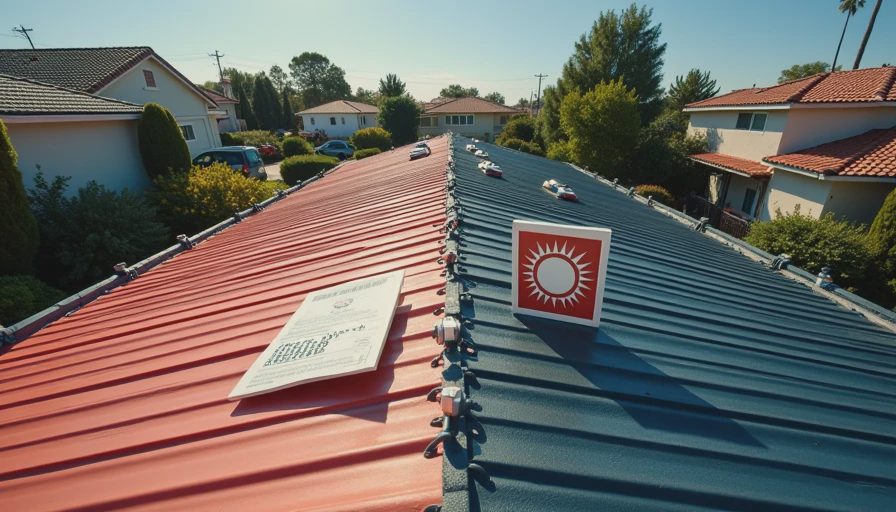
The answer to which roofing material lasts the longest changes when installation quality is poor. A premium product cannot compensate for missing step flashing, undersized gutters, inadequate attic ventilation, or fasteners driven too deeply. Roof valleys, wall intersections, skylights, chimneys, and penetrations deserve particular attention because these areas create many leak opportunities.
Before signing, ask each contractor how the roof deck will be inspected, whether damaged decking is billed separately, which underlayment will be used, and how flashing will be replaced. Request the exact product line rather than a description such as “lifetime shingles.” Confirm who performs the work, whether the crew is trained for that material, and how warranty claims are handled. A detailed written scope is more useful than a vague promise of superior workmanship.
You should also examine ventilation. Intake vents at the eaves need to work with exhaust vents near the ridge or upper roof. Poor airflow can trap heat and moisture, shortening shingle life and contributing to decking damage. With slate, tile, or metal, ask whether the contractor has completed comparable installations and can provide references or photographs of finished details.
Choosing by climate, budget, and ownership plans
A desert homeowner may prioritize ultraviolet resistance and thermal performance, while someone in a snowy region may value steep-slope drainage and resistance to freeze-thaw damage. Coastal homeowners should compare corrosion resistance, wind ratings, and fastening methods. In areas with frequent hail, impact-rated shingles or heavier metal may deserve consideration, although no roofing material is completely immune to storm damage.
For a long-term residence, slate, tile, copper, or premium metal can make sense if the structure supports the weight and the budget covers professional installation. For a starter home, rental property, or planned sale, architectural asphalt shingles may offer the best balance of appearance, repairability, and upfront cost. The least expensive quote is rarely the cheapest over a full ownership period, but the most expensive roof is not automatically the smartest investment.
Ask contractors to price at least two material options using the same scope. Compare tear-off, decking allowances, ventilation, flashing, cleanup, permits, and warranty terms line by line. This method exposes whether one quote looks cheaper simply because it leaves out essential work.
Final answer for homeowners
So, which roofing material lasts the longest? Natural slate generally leads, with clay tile, concrete tile, copper, and quality standing-seam metal following closely depending on climate and installation. Asphalt shingles provide the lowest entry cost and the easiest repair network, but they normally require replacement sooner.
The best decision is the material that matches your home’s structure, weather exposure, ownership timeline, and ability to fund proper installation. Get multiple detailed quotes, verify the contractor’s experience with your chosen system, and focus on flashing, ventilation, underlayment, and workmanship. A well-installed midrange roof can outperform a premium roof installed carelessly, which is why material selection should always be paired with installation review.
Keep Reading
Class 4 impact-resistant shingles: Are They Worth the Extra Cost?
Class 4 impact-resistant shingles can reduce hail damage risk. Compare ratings, ...

Asphalt vs Metal Roofing: Which Roof Is Better for Your Home?
Asphalt vs metal roofing: compare upfront cost, lifespan, repairs, energy perfor...
Standing Seam vs Corrugated Metal: Which Roof Is Better for Your Home?
Standing seam vs corrugated metal: compare roof cost, durability, maintenance, a...
Owner Letters
0 lettersNo letters yet — be the first to write one.