How Long Does an Asphalt Shingle Roof Really Last?
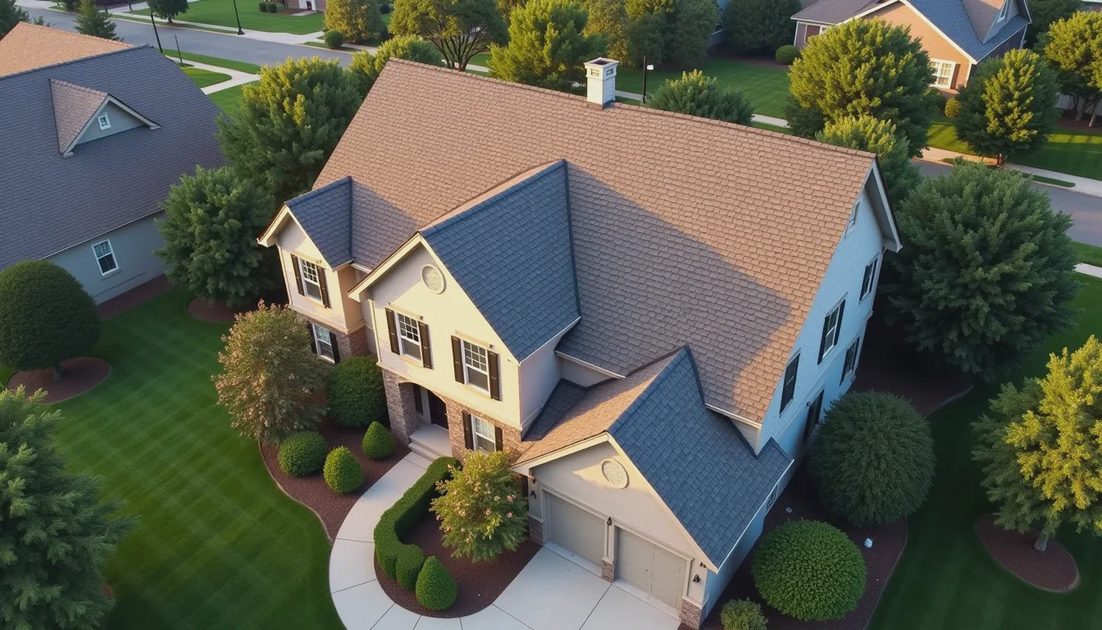
The number printed on a bundle of asphalt shingles is a warranty period, not a guaranteed service life. A “30-year” architectural shingle does not automatically deliver 30 years of reliable protection. Real-world performance for most homes falls in a narrower and often shorter range.
Realistic Lifespan by Shingle Type
Current field experience in 2026 looks roughly like this under average conditions:
Shingle Type | Manufacturer Rating | Typical Real-World Lifespan |
|---|---|---|
3-tab | 20–25 years | 15–20 years |
Architectural (dimensional) | 30 years | 22–28 years |
Premium / designer | 40–50 years | 28–35 years |
Impact-resistant (Class 4) | 30–50 years | 25–35 years |
These ranges assume a complete single-layer tear-off, proper underlayment, and competent installation. Overlay installations, poor ventilation, or harsh climates push the numbers downward.
The Factors That Actually Control Longevity
Climate and weather exposure
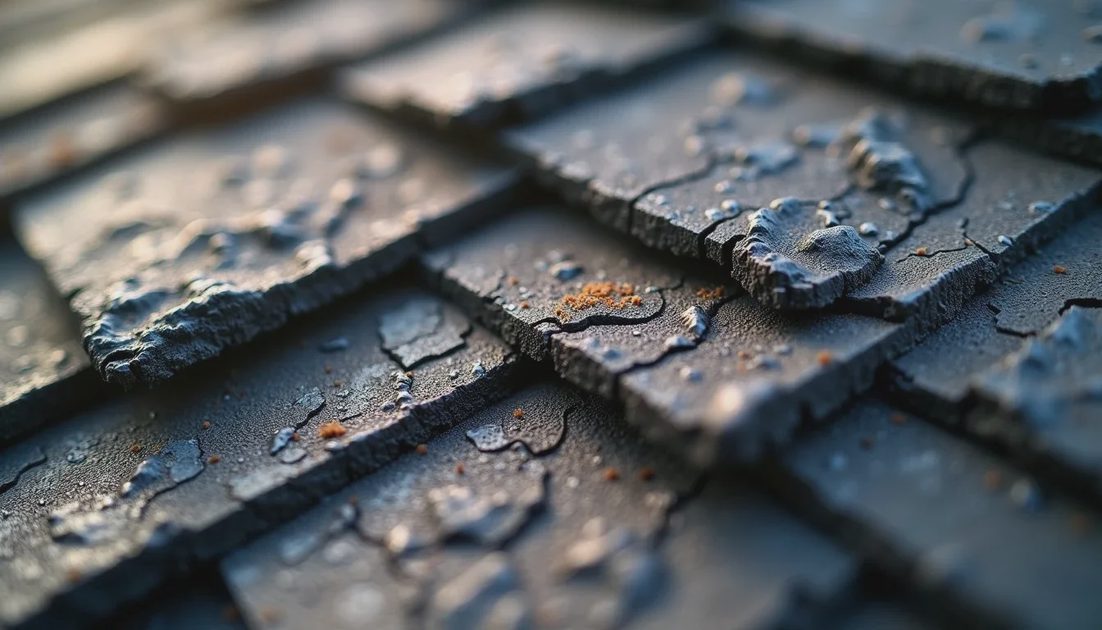
Heat, ultraviolet light, and temperature swings degrade the asphalt binder. Homes in the desert Southwest or humid Southeast often see architectural shingles reach the lower end of the range. Freeze-thaw cycles in the North create expansion and contraction stress that can crack the mat and open the seal strips. Hail-prone regions add impact damage that shortens functional life even when the roof still looks intact from the ground.
Attic ventilation
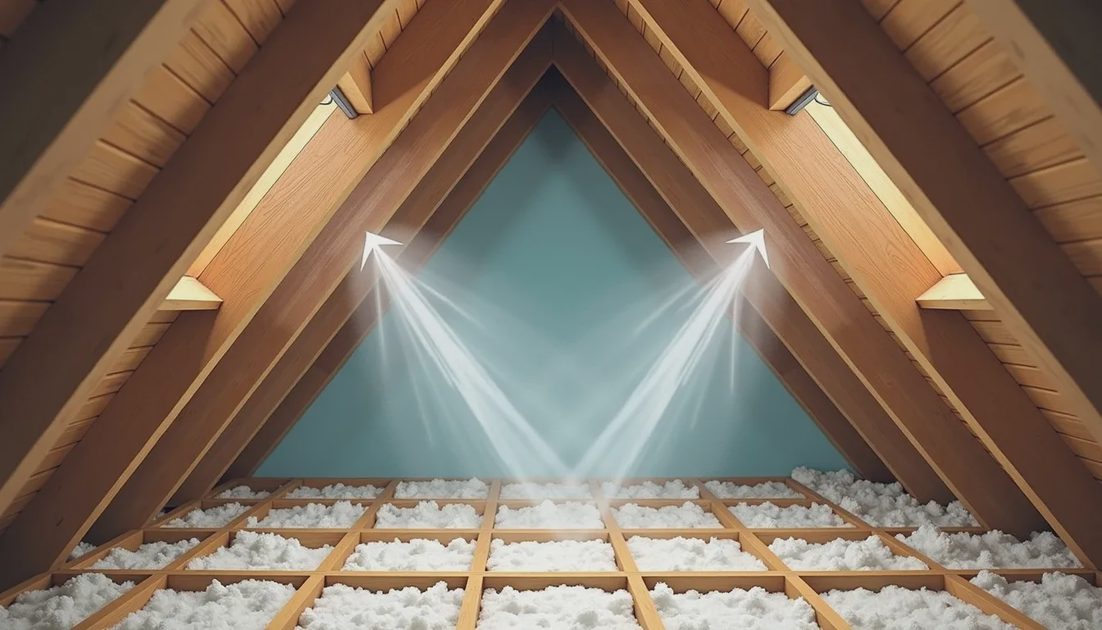
This is one of the largest controllable factors. Poor airflow traps heat against the underside of the deck. Attic temperatures can climb well above 140°F on summer days. That heat cooks the shingles from below, accelerating granule loss and brittleness. Balanced intake (soffit) and exhaust (ridge or other) ventilation can add several years of service. Inadequate ventilation is a common reason two identical roofs on the same street age at different rates.
Installation quality
Nail placement, starter course details, flashing execution, and underlayment choice matter more than most homeowners realize. Overdriven or underdriven nails, missing ice-and-water shield in critical areas, and reused flashing create early failure points. A well-installed average shingle often outlasts a poorly installed premium product.
Roof design and slope
Low-slope sections drain more slowly and hold moisture longer. Complex valleys, multiple penetrations, and heavy tree cover increase organic growth and debris accumulation. Steeper roofs with simple geometry generally age more evenly.
Maintenance habits
Debris removal, gutter cleaning, and occasional professional inspections reduce secondary damage. Moss and algae hold moisture against the surface. Unaddressed minor storm damage can progress into larger problems. Regular attention does not make a 20-year roof last 40 years, but it does help the roof reach the upper end of its realistic range.
Color and heat absorption
Darker shingles absorb more solar energy. In hot climates the difference in surface temperature can be significant and contributes to faster aging compared with lighter colors.
Signs the Roof Is Approaching the End of Its Service Life
Visible clues appear before leaks start:
Widespread granule loss in the gutters and downspouts
Exposed black asphalt mat or bald spots on the shingle surface
Curling, cupping, or clawing at the edges
Cracked or broken shingles, especially on southern or western exposures
Missing shingles after moderate wind events
Dark streaks from algae that resist cleaning
Soft or spongy decking felt underfoot during inspection
A single missing shingle after a storm is a repair issue. Multiple signs across large areas usually mean the system is nearing the point where repair costs rise and reliability falls.
Warranty Versus Actual Performance
Most manufacturer warranties are prorated and limited. After a certain number of years the coverage declines sharply. Labor is often excluded or covered only for a short period. Enhanced “system” warranties that include labor and non-prorated terms usually require certified installation and specific underlayment and flashing products. Reading the actual warranty document, not the marketing summary, is the only way to know what remains if a problem appears in year 18 or 22.
Planning the Replacement Window
Many homeowners wait for active leaks. That approach often produces higher costs and greater interior damage. A more practical timeline is to begin serious evaluation when the roof reaches 18–22 years for architectural shingles, earlier in severe climates or if multiple aging signs are already present. An inspection at that stage can distinguish between a roof that still has useful life and one that is living on borrowed time.
The goal is not to replace a roof the moment it reaches a certain age. It is to replace it while the deck is still sound, before chronic leaks develop, and while the homeowner still has time to collect proper quotes and choose materials deliberately.
Asphalt shingles remain the most common residential roofing material because they balance cost, appearance, and acceptable durability for many ownership periods. Knowing the realistic service life—and the factors that move that number—removes much of the guesswork when the time comes to decide between continued repair and full replacement.
Keep Reading

Roof Leaking After Storm: What to Do Before the Damage Gets Worse
Roof leaking after storm? Learn what to do, document damage, estimate repair cos...

How to Extend Roof Lifespan: Practical Advice for Homeowners
Learn how to extend roof lifespan with practical maintenance, ventilation, mater...

Roof Lifespan by Material: A Homeowner’s Guide to Replacement Timing
Roof lifespan by material: compare asphalt, metal, tile, wood, and slate roofs b...
Owner Letters
0 lettersNo letters yet — be the first to write one.