
How to Prepare Your Home for a Roof Replacement
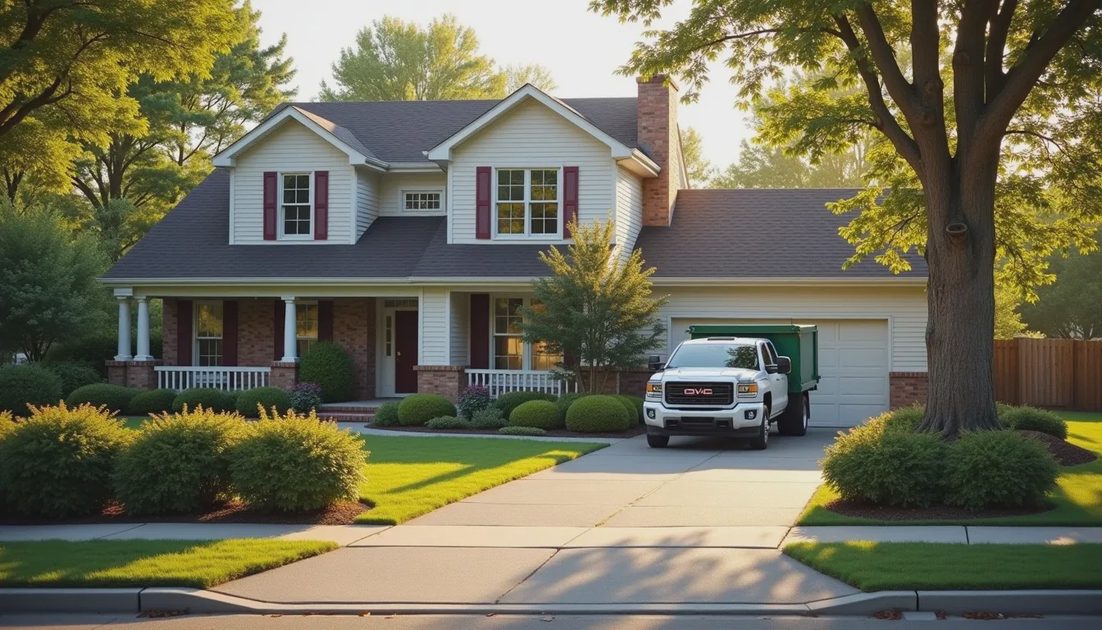
A roof replacement is noisy, dusty, and disruptive for one to several days. Most of the work happens above the house, yet the impact reaches the driveway, yard, attic, and daily routines. Homeowners who prepare in advance spend less time reacting to problems and more time simply letting the crew work.
Preparation falls into a few practical categories: access, protection, communication, and household logistics.
Clear Access for Crews and Equipment
Roofing crews need space for trucks, material delivery, dumpsters, and debris handling.
Driveway and Street
Move vehicles out of the driveway and away from the immediate work zone. Confirm whether a dumpster or trailer will be placed on the driveway, lawn, or street and whether any permits are required for street placement. Narrow lots or HOA rules sometimes limit options; resolving this before the start date avoids delays.

Gates, Fences, and Side Yards
Unlock gates and clear paths around the house. Crews often need access to all sides for ladders, staging, and cleanup. Remove or relocate tight obstacles such as grills, planters, or stored materials that block ladder placement.
Attic Access
If the contractor needs to enter the attic for ventilation checks, decking inspection from below, or wiring concerns, clear a path to the hatch and move stored items away from the work area. A cluttered attic slows the job and increases the chance of damage to belongings.
Protect What Can Be Damaged
Outdoor Items
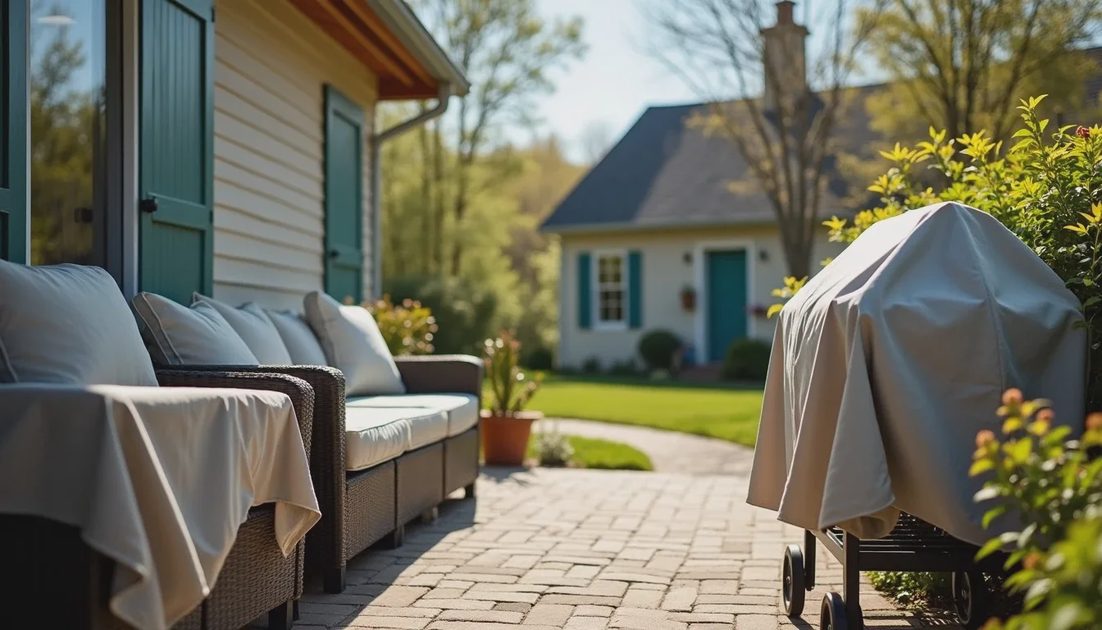
Cover or move outdoor furniture, grills, play equipment, and decorative items. Roofing work produces falling debris, granules, and occasionally nails. Even careful magnetic sweeps miss some fasteners. Tarps and temporary relocation are inexpensive insurance.
Landscaping
Delicate plants near the foundation or under heavy roof edges may need temporary protection or careful discussion with the crew. Most contractors try to minimize damage, yet heavy foot traffic and falling material can still affect gardens and shrubs. Mark especially valuable plants in advance.
Vehicles and Nearby Structures
Cars left near the house risk granule dust and nail punctures. Move them. If a neighboring structure sits close to the work zone, a brief courtesy conversation can prevent friction later.
Inside the House
Noise and Schedule
Roofing is loud—nail guns, tear-off, and material handling. Plan for work hours, typically daytime only. If anyone works from home or young children or pets are sensitive to noise, arrange alternative spaces or schedules for the noisiest phases (usually tear-off and the first day of installation).
Dust and Odors
Some dust can enter through attic hatches, recessed lights, or other openings. Closing the attic hatch firmly and sealing obvious gaps helps. Most modern underlayments and shingles produce limited odor, but sensitive individuals may still notice it during installation.
Security and Pets
Crews will be on the property for extended periods. Secure valuables, set expectations about which doors remain locked, and decide where pets will stay. Many homeowners keep dogs indoors or off-site during the workday to reduce stress for both the animals and the crew.
Confirm Details With the Contractor Before Start Day
A short pre-job conversation prevents most misunderstandings:
Exact start date and expected duration
Where the dumpster or trailer will sit
How the crew will access the roof and yard
Who is responsible for final magnetic nail sweep and debris removal
How change orders for decking or unexpected issues will be communicated and approved
Whether the homeowner or a representative needs to be present at key moments (start, final walkthrough)
Get material color and product confirmation in writing if it has not already been locked down. Supply chain substitutions occasionally occur; clarity in advance reduces disappointment.
Utility and Service Considerations
Note the location of satellite dishes, antennas, or solar conduit that may need temporary removal or protection.
If a solar array is present, coordinate with the solar provider; roofing work around mounted systems requires specific handling.
Inform the alarm company if roof work might affect sensors or create false alerts.
Know where the main water shutoff is in case of any plumbing penetration issues, though this is uncommon on standard steep-slope jobs.
What the Homeowner Should Expect Day to Day
Tear-off is the messiest and loudest phase. Installation of underlayment and shingles follows, usually with less falling debris. Ridge, flashing, and finishing details come last. Cleanup and the final magnetic sweep should occur before the crew leaves each day and again at substantial completion.
Weather can pause work. Responsible contractors monitor forecasts and protect open roof sections if rain threatens. Ask in advance how the crew handles sudden weather changes.
Final Walkthrough Preparation
Leave time at the end of the job for a joint walkthrough. Note any remaining debris, nail concerns, or visible details that need attention while the crew is still responsible. Having the original contract and any change orders handy makes the discussion efficient.
A Simple Pre-Job Checklist
Vehicles moved and access paths cleared
Outdoor furniture and fragile items protected or relocated
Attic path cleared if access is needed
Pets and household schedule adjusted for noise
Dumpster location and permit status confirmed
Material and color details reconfirmed
Communication method for questions or change orders agreed
Neighbor courtesy notice given if the job is close to property lines
A roof replacement is inherently disruptive. Most of the stress that homeowners remember comes from avoidable surprises rather than the work itself. A few hours of preparation before the trucks arrive keeps the focus on the new roof instead of on logistics problems that could have been solved in advance.
Keep Reading

Roof Leaking After Storm: What to Do Before the Damage Gets Worse
Roof leaking after storm? Learn what to do, document damage, estimate repair cos...

How to Extend Roof Lifespan: Practical Advice for Homeowners
Learn how to extend roof lifespan with practical maintenance, ventilation, mater...

Roof Lifespan by Material: A Homeowner’s Guide to Replacement Timing
Roof lifespan by material: compare asphalt, metal, tile, wood, and slate roofs b...
Owner Letters
0 lettersNo letters yet — be the first to write one.