Repair or Replace? How to Make the Call Without Guessing
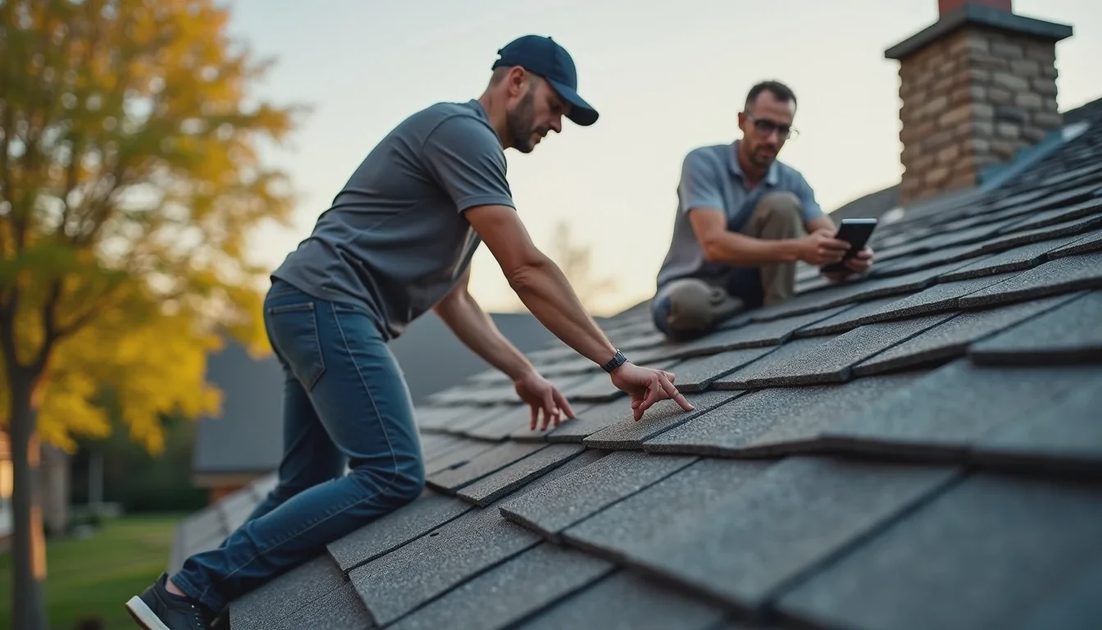
Most homeowners face the repair-or-replace choice after a leak, a storm, or a routine inspection. The answer is rarely based on a single missing shingle. It depends on the age of the roof, how widespread the problems are, and the condition of the deck underneath.
A clear framework prevents both unnecessary full replacements and repeated repairs that simply delay the inevitable.
When Repair Is the Rational Choice
Repair is usually appropriate when these conditions are present together:
The roof is still in the first half to two-thirds of its realistic service life
Damage is confined to one area or a small number of discrete locations
The decking is dry, solid, and free of soft spots or rot
The cause is specific and correctable (wind-lifted shingles, failed pipe boot, localized impact, flashing failure at one penetration)
Typical repair situations include a handful of shingles lost in a wind event, a cracked or deteriorated pipe boot, a single valley or chimney flashing leak, or limited hail bruising on one slope. On a roof that is 8–15 years old and otherwise sound, these problems can be fixed without discarding the remaining life of the system.
Cost Threshold for Repair
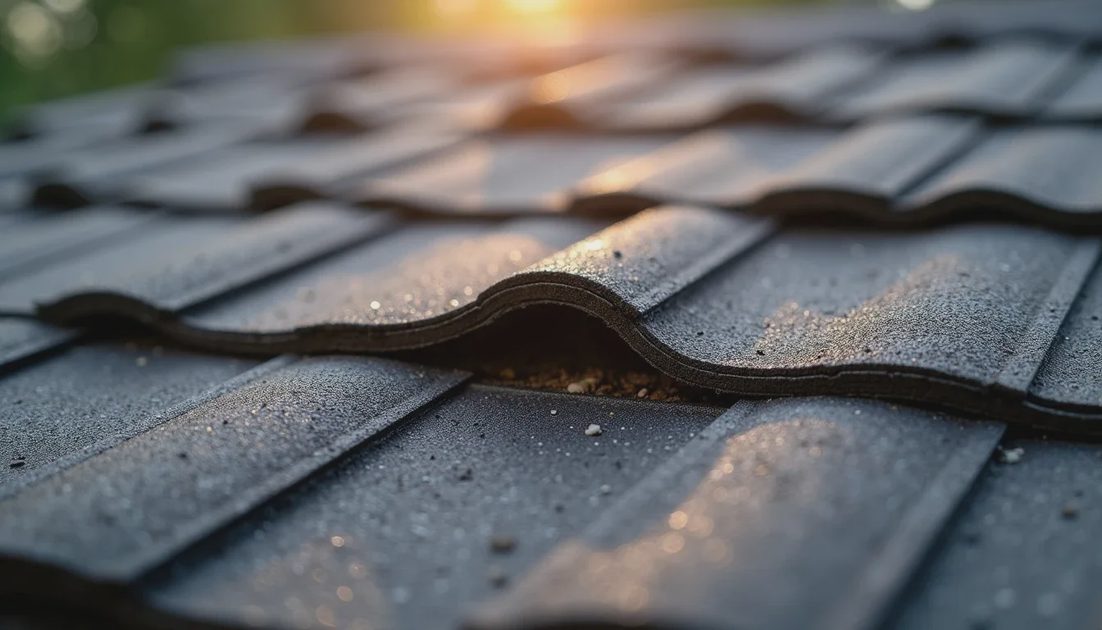
A practical rule used by many experienced contractors is the 30–50 percent test. If the estimated cost of proper repairs approaches or exceeds 40–50 percent of a full replacement, the economics usually favor replacement. Repeated small repairs on an aging roof often total more than a single new installation while still leaving the homeowner with an old system.
When Replacement Becomes the Clearer Path
Replacement is the stronger decision when one or more of these factors appear:
Age Relative to Realistic Lifespan
Architectural asphalt shingles commonly deliver 22–28 years under average conditions. 3-tab products often fall in the 15–20 year range. Once a roof reaches the upper end of its expected life, even modest damage is a signal that the material is nearing the end of reliable service. Continuing to repair a 23-year-old architectural roof usually produces diminishing returns.
Widespread or Recurring Damage
Curling, clawing, or extensive granule loss across multiple slopes indicates systemic aging rather than isolated failure. Multiple active or recent leak locations, even if each is small, point to a system that is no longer shedding water reliably. Storm damage that affects large sections of the roof also shifts the balance toward replacement.
Compromised Decking
Soft, delaminated, or rotted sheathing cannot be fixed by new shingles. Fasteners lose holding power and moisture problems continue. When an inspection or tear-off reveals significant deck damage, full replacement (with proper sheathing repair) is required. Overlaying new shingles over bad decking simply hides the problem temporarily.
Structural or Design Issues
Sagging along ridges or truss lines, repeated ice-dam problems tied to ventilation or insulation shortcomings, or a second layer already in place often make clean replacement the only sound approach. Local codes in many areas limit the number of layers allowed.
Signs Visible From the Ground and Attic
Certain indicators are useful for initial triage:
From the ground or ladder
Heavy granule accumulation in gutters
Widespread bare spots or exposed asphalt mat
Curling or clawing across large areas
Multiple missing or broken shingles after ordinary wind
Dark algae streaks that persist despite cleaning
From the attic
Daylight visible through the deck
Water stains on multiple rafters or the underside of the sheathing
Soft or spongy decking underfoot
Condensation or mold indicating chronic moisture
Isolated versions of these signs may still support repair. Widespread versions usually support replacement.
The Role of Remaining Useful Life
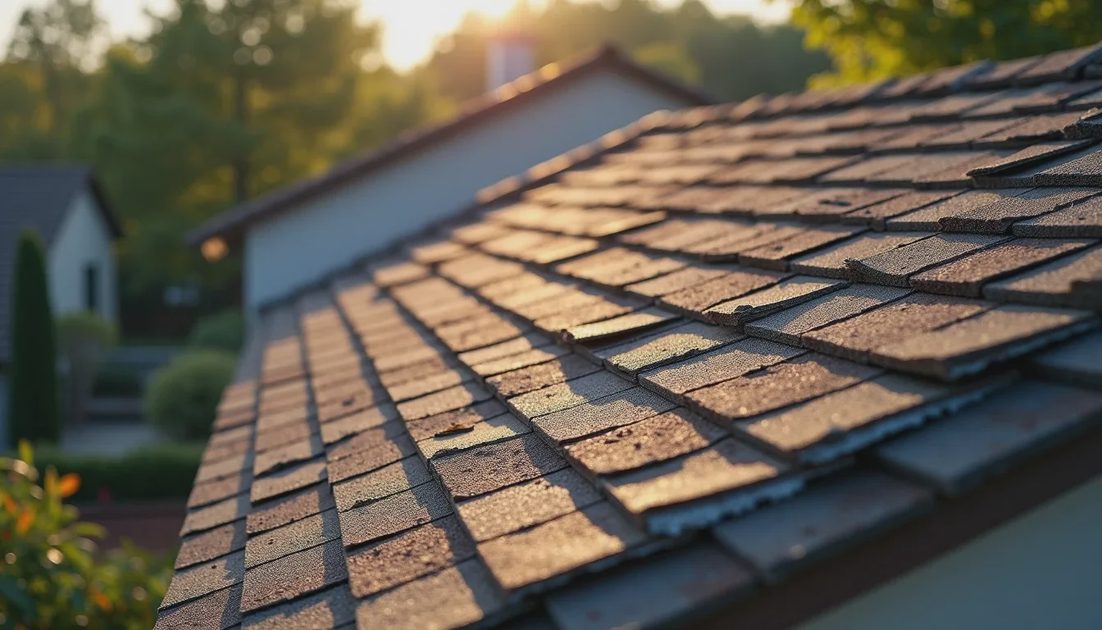
A roof with five or more solid years of expected service left and only localized damage is a strong repair candidate. A roof with only a few years of realistic life remaining, even if current damage is modest, is often better replaced. Paying for repairs on a system that will need full replacement soon simply adds cost without extending the overall timeline meaningfully.
Insurance and Storm Considerations
After a covered storm event the decision can be influenced by the scope of the approved claim. Some policies will fund a full replacement when damage exceeds a certain threshold or when matching requirements make partial repair impractical. In other cases the claim covers only the damaged sections. Understanding the actual coverage language and the adjuster’s scope is necessary before choosing the path.
A Simple Decision Sequence
Establish the approximate age and original material type.
Determine whether damage is localized or widespread.
Inspect or have inspected the condition of the decking.
Obtain a written repair estimate and a written replacement estimate for the same roof.
Apply the cost ratio and remaining-life judgment.
If the roof is young, the damage is contained, and the deck is sound, repair is usually correct. If the roof is near the end of its expected life, damage appears in multiple areas, or the deck is compromised, replacement is the more reliable and often more economical long-term choice.
The goal is not to replace every roof that shows a problem, nor to keep repairing one that has already given most of its useful service. Matching the response to the actual condition of the system keeps both cost and risk under control.
Keep Reading
Roof Leaking After Storm: What to Do Before the Damage Gets Worse
Roof leaking after storm? Learn what to do, document damage, estimate repair cos...

How to Extend Roof Lifespan: Practical Advice for Homeowners
Learn how to extend roof lifespan with practical maintenance, ventilation, mater...

Roof Lifespan by Material: A Homeowner’s Guide to Replacement Timing
Roof lifespan by material: compare asphalt, metal, tile, wood, and slate roofs b...
Owner Letters
0 lettersNo letters yet — be the first to write one.