Signs You Need a New Roof: A Homeowner's Inspection Guide
The signs you need a new roof are not always dramatic. A ceiling stain, a few missing shingles, or granules collecting in a gutter can indicate anything from a small repair to widespread roof failure. Knowing the difference helps you avoid two expensive mistakes: replacing a roof that has years of useful life left or patching a roof that is already damaging the house.
Start with a ground-level inspection, then arrange a professional evaluation if you see several warning signs. Roofing work is dangerous, so do not climb onto a steep or wet roof. Use binoculars from the yard and inspect the attic from inside instead.
Check the Roof’s Age First
Age is one of the most useful clues. Standard three-tab asphalt shingles often last around 15 to 20 years, while architectural asphalt shingles commonly last 20 to 30 years when properly installed and ventilated. Metal roofing can last 40 to 70 years, and clay or concrete tile may last even longer, although underlayment and flashing can still need replacement sooner.
If you do not know the installation date, look through closing documents, permit records, old invoices, or insurance paperwork. Ask the previous owner if possible. An aging roof does not automatically require replacement, but age changes how you interpret every other symptom. A single cracked shingle on a five-year-old roof is different from widespread cracking on a 22-year-old roof.
When multiple age-related problems appear together, the signs you need a new roof become much stronger. Spending $300 to $800 on repeated repairs may not make sense if the roof is near the end of its expected service life.
Look for Shingle Damage and Granule Loss
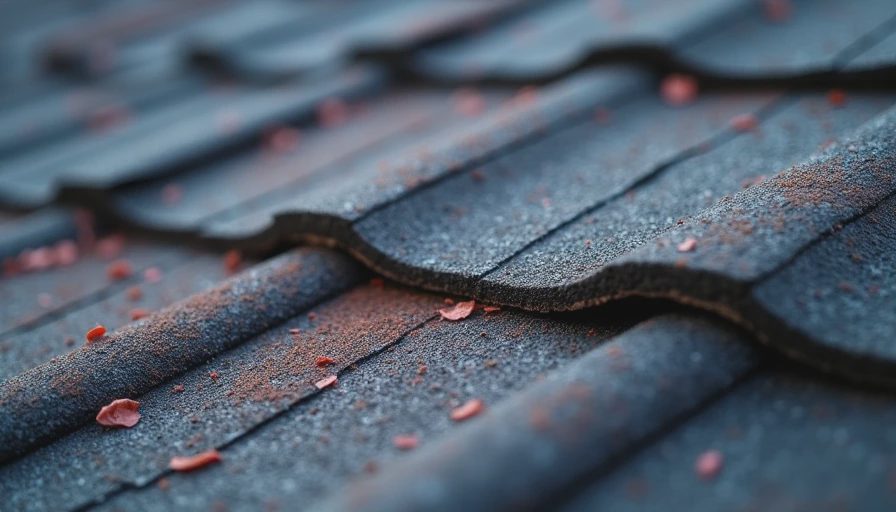
Walk around the property and inspect every roof slope visible from the ground. Missing shingles, exposed underlayment, lifted tabs, and shingles scattered across the yard after ordinary wind are clear concerns. Curling corners and edges often point to age, heat exposure, poor ventilation, or improper installation. Buckling shingles can indicate moisture below the roofing material or a problem with the roof deck.
Check the gutters and downspout outlets for heavy deposits of dark or multicolored granules. Some granule loss is normal after installation, but a steady buildup years later means the protective surface is wearing away. Without granules, asphalt shingles lose resistance to sunlight and weather.
Look closely at roof valleys, eaves, and areas around chimneys. These locations handle concentrated water flow and commonly reveal damage first. If shingles are brittle, cracked across their surfaces, or missing in several areas, a contractor should inspect the entire system rather than quote isolated patches.
Inspect the Attic for Water and Ventilation Problems
The attic can reveal problems that are invisible from the street. On a sunny day, turn off the lights and look for pinpoints of daylight around roof penetrations. Small openings near plumbing vents, chimneys, skylights, and flashing can admit water during wind-driven rain.
Use a flashlight to check the underside of the roof deck for dark stains, damp wood, mold-like growth, or rusted nails. A musty smell and compressed or wet insulation also deserve attention. Water does not always drip directly beneath the entry point; it can travel along rafters before reaching a ceiling.
Poor ventilation can shorten shingle life by trapping heat and moisture. In winter, warm attic air can create condensation, while in summer, excessive heat can accelerate shingle aging. Replacing shingles without correcting blocked soffit vents, inadequate ridge ventilation, or bathroom exhaust that terminates in the attic can lead to another premature failure.
Know Which Interior Problems Matter
Water stains on ceilings and walls are among the most recognizable signs you need a new roof, but they do not prove the entire roof must be replaced. The source might be a failed pipe boot, damaged step flashing, a clogged valley, or a plumbing leak. A qualified roofer should trace the entry point instead of assuming the stain identifies it.
One isolated stain after a major storm could come from a repairable opening. Repeated staining, peeling paint, sagging drywall, or several leaks in different rooms suggests a broader issue. Sagging roof decking is particularly serious because it can signal prolonged moisture damage and reduced structural strength.
Address active leaks quickly. A temporary tarp or emergency patch can limit damage, but it is not a permanent roofing solution. Delayed repairs can turn a modest flashing replacement into roof-deck repair, insulation replacement, drywall work, and repainting.
Separate Repairable Damage from Replacement Conditions
A repair is often reasonable when the roof is relatively young, the damage is confined to a small area, and matching materials are available. Examples include a few wind-damaged shingles, one failed pipe boot, or localized flashing deterioration. A repair might cost roughly $250 to $1,000, depending on access, materials, and the source of the problem.
Replacement becomes more practical when damage is widespread, shingles are no longer flexible, valleys are failing, or the deck has moisture damage across multiple areas. Multiple layers of old roofing can also create installation and code complications. In many jurisdictions, roofers cannot keep adding layers indefinitely, and removing the old material increases labor and disposal costs.
The most reliable signs you need a new roof usually appear as a pattern: an old roof, widespread granule loss, curled shingles, recurring leaks, and damaged flashing. One symptom deserves investigation; several symptoms together deserve a replacement estimate.
Compare Materials Before Requesting Quotes
For many homeowners, architectural asphalt shingles offer the lowest upfront cost and a familiar installation process. Depending on roof size, pitch, tear-off requirements, region, and material grade, a complete asphalt replacement often falls somewhere around $8,000 to $20,000 for an average-size U.S. home. Complex roofs, premium shingles, and expensive labor markets can push the price higher.
Metal roofing commonly costs more initially, often around $12,000 to $30,000 or more, but it can provide a longer service life and strong resistance to wind and fire. Standing-seam panels are not the same product as exposed-fastener panels; installation quality, expansion details, and fastener placement affect long-term performance.
Tile, slate, and other premium systems can last for decades but require suitable structure, specialized labor, and higher budgets. Do not choose a material based only on advertised lifespan. Ask whether local contractors install it regularly, whether replacement parts are available, and how easily a damaged section can be repaired.
Get a Quote That Explains the Entire System
A useful estimate should identify the roofing material, number of layers to remove, underlayment, ice-and-water protection where appropriate, flashing work, ventilation changes, drip edge, ridge caps, cleanup, permits, and warranty terms. A low quote that omits these items may grow after work begins.
Request at least two or three written estimates. Compare similar scopes rather than comparing only the final price. Ask each contractor how they will handle roof-deck damage discovered during tear-off. A reasonable allowance or clearly stated per-sheet price is better than an open-ended surprise.
Verify licensing and insurance requirements for your area, ask for recent references, and avoid paying the entire balance before the job is complete. Manufacturer warranties generally cover material defects, while workmanship warranties depend on the installer. Neither warranty excuses poor ventilation or improper flashing.
What to Do After Finding Warning Signs
Photograph damaged shingles, interior stains, attic conditions, gutters, and flashing before temporary repairs. Keep invoices and note when leaks occur. These records help contractors diagnose the problem and give you a clearer basis for comparing proposals.
If rain is entering the home, move furniture, place containers under active drips, and contact a roofer for emergency protection. Do not spray sealant over a large area as a substitute for diagnosis. A professional inspection can tell you whether the roof needs a targeted repair, partial replacement, or full replacement.
The signs you need a new roof are easiest to judge when age, exterior damage, attic evidence, and repair history are considered together. Start with a careful inspection, insist on a detailed scope of work, and choose the system your home, budget, and local installers can support for the next several decades.
Keep Reading

How to Extend Roof Lifespan: Practical Advice for Homeowners
Learn how to extend roof lifespan with practical maintenance, ventilation, mater...

Roof Lifespan by Material: A Homeowner’s Guide to Replacement Timing
Roof lifespan by material: compare asphalt, metal, tile, wood, and slate roofs b...
Repair vs Replace Roof: A Homeowner's Guide to the Right Choice
Repair vs replace roof: learn how to judge damage, compare costs, spot hidden ri...
Owner Letters
0 lettersNo letters yet — be the first to write one.