Architectural Shingles vs 3-Tab: What Most Homeowners Should Pick
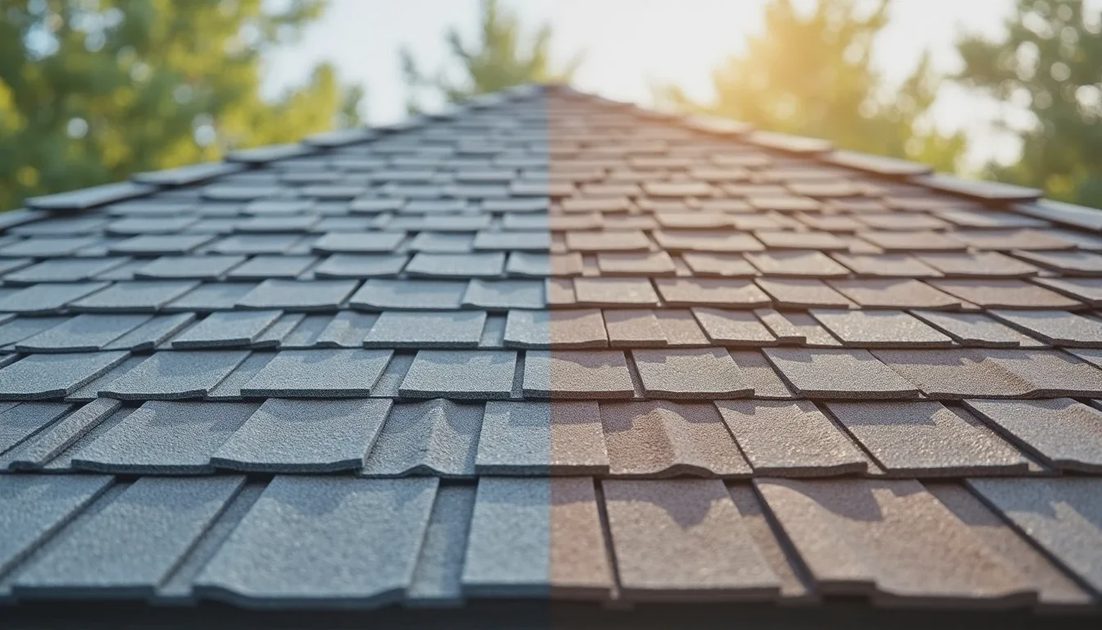
3-tab and architectural shingles are both asphalt products, yet they behave differently once installed. 3-tab shingles are a single layer of asphalt-coated mat cut into three tabs. Architectural shingles (also called dimensional or laminate) use two or more layers laminated together. The extra material creates thickness, a more textured look, and greater resistance to wind and weather.
That structural difference drives most of the performance gap.
Cost and Lifespan Comparison
In 2026, installed prices for a typical 2,000-square-foot home look roughly like this:
Type | Installed Cost Range | Realistic Lifespan | Wind Rating (typical) |
|---|---|---|---|
3-tab | $7,500 – $11,500 | 15–20 years | 60–70 mph |
Architectural | $10,000 – $16,000 | 22–28 years | 110–130 mph |
Premium architectural | $14,000 – $22,000 | 28–35 years | 130+ mph |
3-tab remains the lowest-cost option. Architectural costs more upfront but usually delivers extra years of service and better storm performance. Over a 25-year ownership period the annualized cost often favors architectural because a second full replacement is less likely.
Why the Lifespan Gap Exists
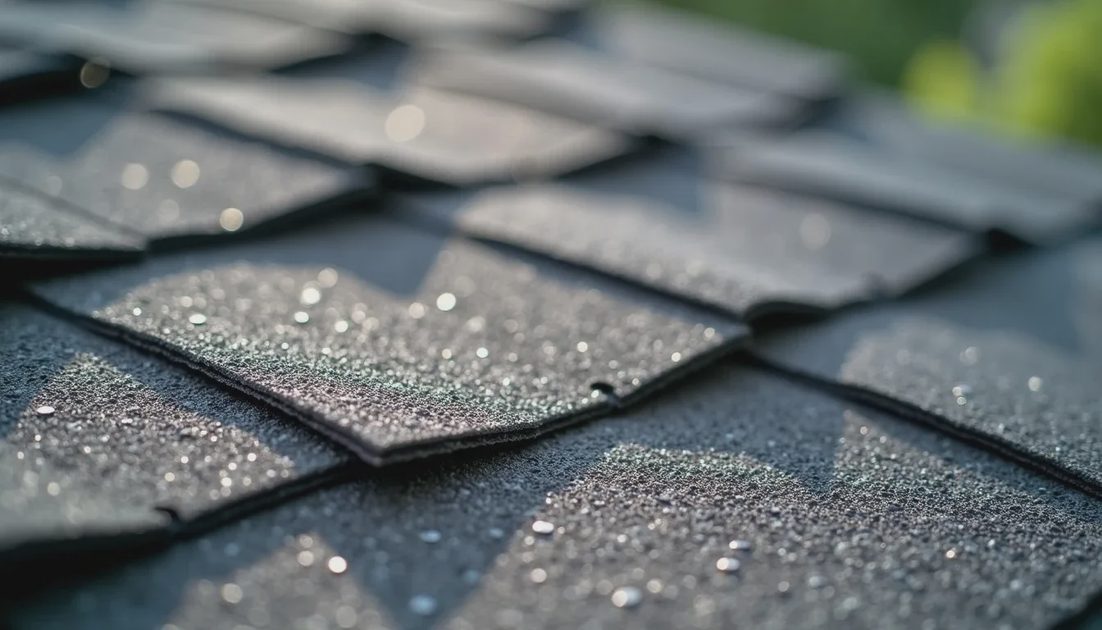
The laminated construction of architectural shingles resists curling, clawing, and wind uplift better than a single-layer 3-tab product. The extra weight and interlock help the seal strips stay effective longer. 3-tab shingles are thinner and more flexible when new, which makes them more vulnerable to heat, UV, and repeated thermal cycling.
Appearance and Curb Appeal
3-tab shingles produce a flat, uniform look. The cutouts create a repeating pattern that many people associate with older or builder-grade homes. Architectural shingles create shadow lines and a thicker profile that more closely resembles wood shake or slate from the street. Most current new-construction and reroof projects use architectural for this reason.
Color options exist in both categories, but the dimensional surface of architectural shingles tends to hide minor irregularities and weathering better over time.
Wind and Storm Performance
This is one of the clearest practical differences. Many 3-tab products carry wind ratings in the 60–70 mph range. Architectural shingles commonly reach 110–130 mph when installed to manufacturer specifications. In areas that experience regular high winds or occasional severe storms, the higher rating reduces the chance of edge lift and progressive shingle loss.
Impact resistance is a separate rating. Class 4 impact-resistant architectural products are widely available and can qualify for insurance discounts in hail-prone regions. Equivalent 3-tab impact options are less common.
Installation and Repair Considerations
Both products install with similar techniques, but architectural shingles are heavier and require slightly more attention to alignment. Repair is straightforward for either type: individual shingles can be replaced. Matching older 3-tab colors years later can be harder because fewer manufacturers still produce them in volume. Architectural lines remain the market standard, so future color matches are generally easier.
When 3-Tab Still Makes Sense
3-tab is a rational choice in specific situations:
The ownership horizon is short (under 8–10 years)
The budget is strictly limited and the climate is mild
The house is a rental or temporary property where long-term durability is less critical
Local code or HOA rules do not require higher wind ratings
In those cases the lower first cost can outweigh the shorter service life.
When Architectural Is the Better Default
For most owner-occupied homes the balance tips toward architectural:
Expected stay of 12 years or longer
Desire for better wind resistance without moving to metal
Preference for a more substantial appearance
Interest in stronger manufacturer warranties and potential insurance credits
The extra cost is real, yet it buys measurable improvements in durability and appearance that most homeowners value once the roof is on.
A Practical Decision Framework
Start with ownership timeline and local weather. If you plan to move within a decade and the climate is gentle, 3-tab can be acceptable. If you expect to stay longer or live in a region with wind, hail, or significant temperature swings, architectural is usually the stronger choice. Premium architectural lines add further thickness and warranty options for those who want the highest asphalt performance without switching materials entirely.
The decision does not require choosing the most expensive product. It requires matching the shingle type to how long the roof needs to perform and what the local conditions demand. For the majority of homeowners replacing a roof in 2026, architectural shingles deliver the better combination of longevity, storm resistance, and everyday appearance.
Keep Reading
Most Cost-Effective Roofing Material: A Homeowner's Guide
Most cost-effective roofing material choices compared: see asphalt, metal, tile,...

Which Roofing Material Lasts the Longest? A Homeowner’s Guide
Which roofing material lasts the longest? Compare slate, tile, metal, and asphal...
Class 4 impact-resistant shingles: Are They Worth the Extra Cost?
Class 4 impact-resistant shingles can reduce hail damage risk. Compare ratings, ...
Owner Letters
0 lettersNo letters yet — be the first to write one.