Asphalt vs Metal Roofing: Which One Fits Your Budget and Timeline?
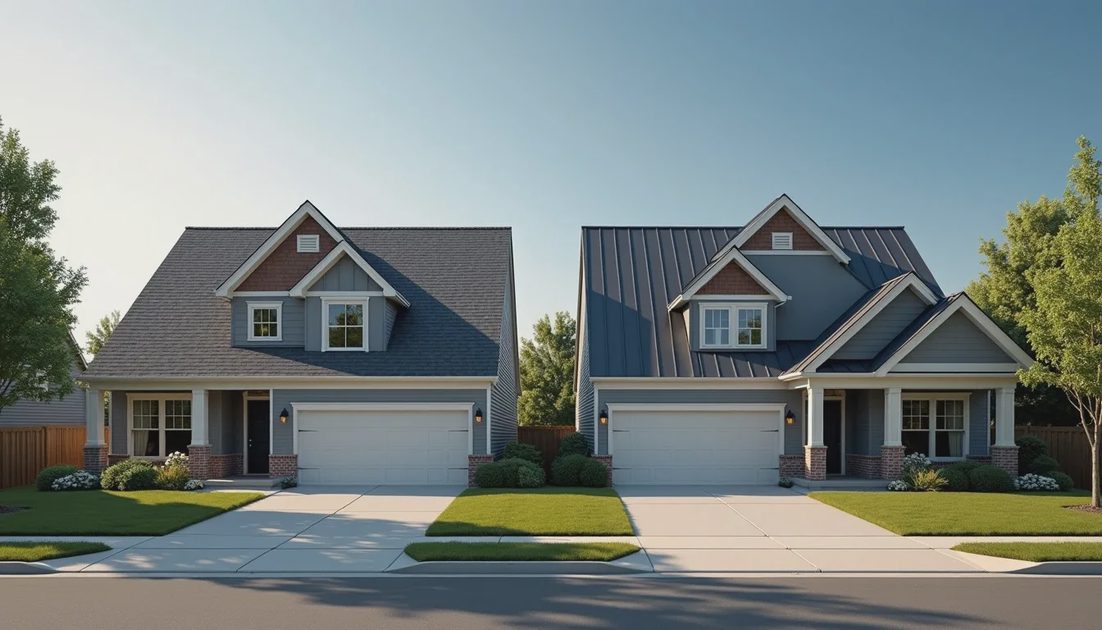
Asphalt shingles cover the majority of American homes for a simple reason: they cost less to install and most people recognize the look. Metal roofs have gained ground because they last longer and hold up better in certain climates. The decision between the two is less about which material is “better” and more about which one matches how long you plan to own the house, what the weather does where you live, and how you want to spend money over time.
Upfront Cost vs Lifetime Cost
For a typical 2,000-square-foot home in 2026, architectural asphalt shingles usually run $9,000 to $16,000 fully installed after a single-layer tear-off. Standing-seam metal on the same house commonly lands between $18,000 and $35,000 depending on metal type, gauge, and region. That is roughly double the initial outlay.
The longer view changes the picture. Architectural asphalt typically delivers 20 to 30 years of service under average conditions. Standing-seam metal regularly reaches 40 to 70 years. Over a 50-year horizon many homeowners will replace an asphalt roof once, sometimes twice. The second tear-off, disposal, and reinstallation often erase most of the original price difference.
A simple cost-per-year calculation on a mid-range example looks like this:
Material | Typical Installed Cost | Expected Service Life | Approximate Cost per Year |
|---|---|---|---|
Architectural asphalt | $12,000 | 25 years | $480 |
Standing-seam metal | $24,000 | 50 years | $480 |
The annualized numbers often converge. Climate, maintenance habits, and installation quality can push either number higher or lower. The key point is that the higher sticker price of metal is not automatically more expensive over the full life of the roof.
How Each Material Handles Weather
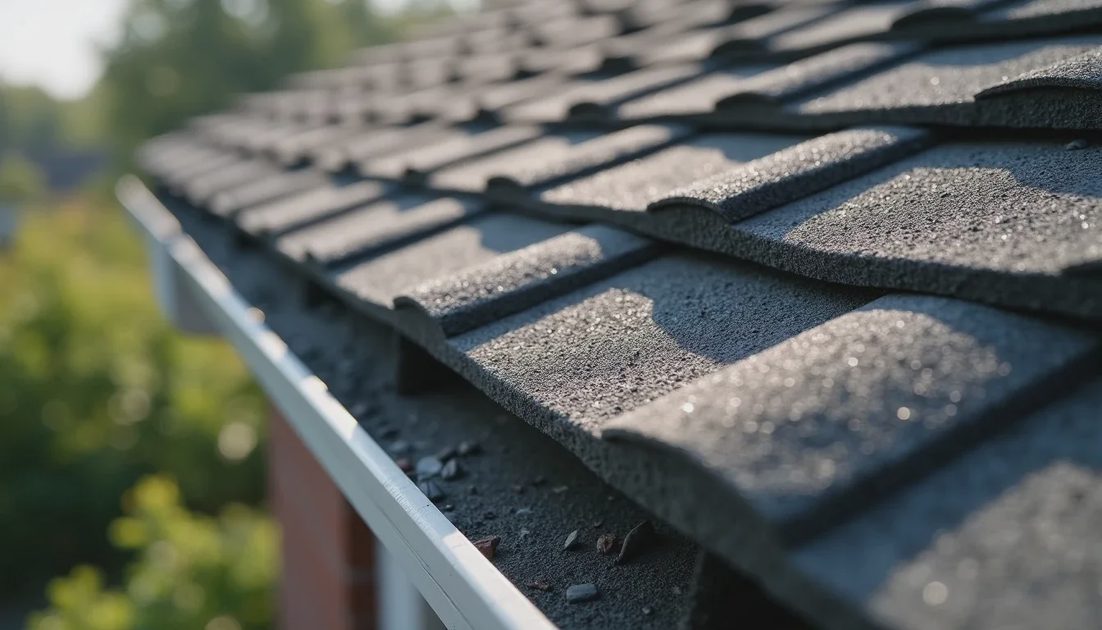
Asphalt shingles perform adequately in mild climates. They struggle more in places with repeated freeze-thaw cycles, heavy hail, or high humidity. Granules wear off over time. Algae streaks appear in humid regions. Hail can bruise or crack the mat. Wind can lift edges once the adhesive strips age.
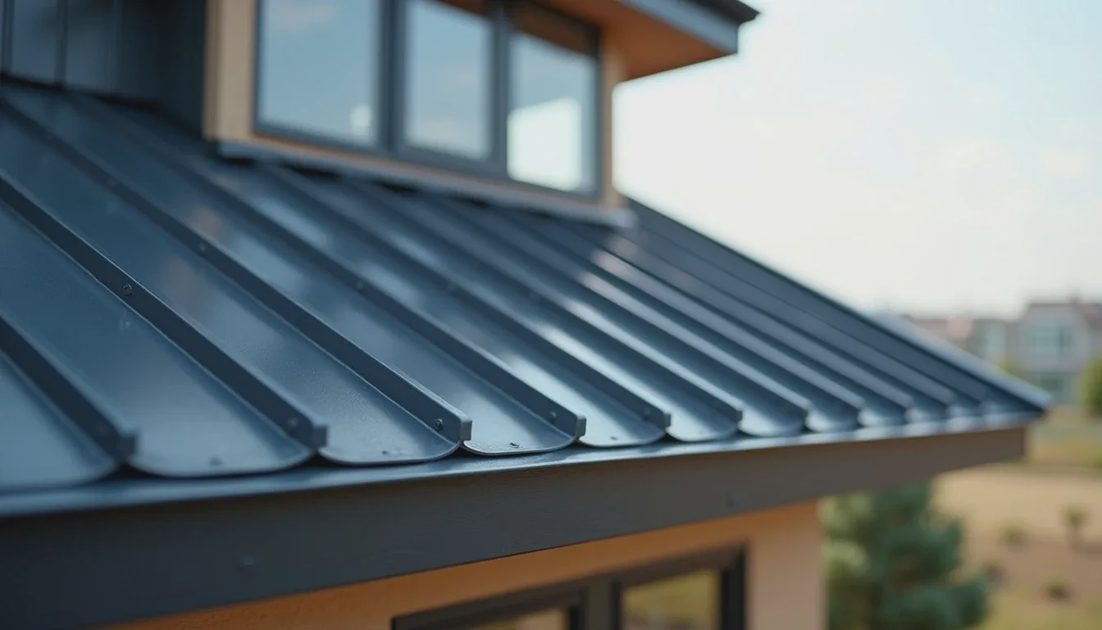
Metal handles those stresses differently. Standing-seam panels shed snow more readily, reducing ice-dam risk in northern states. They resist hail impact better than standard asphalt—functional damage is rare even when cosmetic dents appear. Fire resistance is excellent. In coastal areas aluminum panels resist salt corrosion better than steel. In hot climates reflective coatings can lower attic temperatures and reduce cooling loads.
Wind ratings also differ. Many architectural shingles are rated in the 110–130 mph range. Quality standing-seam systems commonly reach 140–180 mph when installed with the correct clips and fasteners.
Maintenance and Repair Reality
Asphalt requires periodic attention. After 10–15 years many roofs need spot repairs for missing or damaged shingles. Gutter cleaning becomes more important as granules accumulate. Moss and algae treatment is common in shady or humid locations. A full replacement is expected within one generation of ownership for most families.
Metal needs far less routine work. Occasional checks of fasteners, sealants at penetrations, and debris removal are usually enough. Repairs are less frequent but can be more specialized. A damaged panel may require a skilled metal roofer rather than a general shingle crew. Because the panels last so long, many owners never face a full replacement during their time in the house.
Weight, Structure, and Installation
Asphalt shingles typically weigh 200–340 pounds per square. Metal systems often weigh half that or less. The lighter load can matter on older homes or when structural capacity is limited. Most existing trusses handle either material without reinforcement, but a structural check is still wise on older buildings before switching to a heavier system such as tile.
Installation speed favors asphalt. A competent crew can often finish a standard home in one to three days. Standing-seam metal takes longer and requires more specialized labor. Finding experienced metal installers is still harder in some markets than finding asphalt crews. Poor installation on either material shortens lifespan, but the consequences tend to show up faster with asphalt because the material itself has less inherent durability.
Resale and Insurance Considerations
Both materials can support good resale outcomes when the roof is relatively new. A recent asphalt roof reassures buyers that they will not face an immediate expense. A metal roof can signal long-term quality and sometimes supports a modest premium, especially in regions where the material is already common or valued for storm resistance.
Insurance carriers in hail-prone and high-wind areas often offer credits for impact-resistant or metal systems. Class 4 asphalt shingles can capture some of those discounts. Full metal systems frequently qualify for larger reductions. The exact savings depend on the carrier and location, so it is worth asking for quotes with both materials specified.
Climate and Ownership Horizon Guide the Choice
Choose architectural asphalt if:
You plan to sell or move within 10–12 years
The budget is tight and the house is in a mild climate
You prefer the traditional shingle appearance and simple future repairs
Local HOA rules or historic guidelines limit metal options
Choose standing-seam metal if:
You expect to stay 20 years or longer
Your area sees frequent hail, high winds, heavy snow, or wildfire risk
You want lower long-term maintenance and one less major project later
Energy reflectivity or insurance discounts matter in your location
Hybrid situations exist. Some homeowners install metal on lower-slope or complex sections and asphalt on the main field. Others choose stone-coated steel panels that give a shingle-like appearance with metal performance. Those options sit between pure asphalt and pure standing-seam in both cost and look.
Practical Next Step
The numbers above are national ranges. Local labor rates, code requirements, roof complexity, and material availability move the actual bids. The cleanest way to see the real difference for your house is to collect comparable quotes for both systems on the same scope of work—same tear-off, same underlayment standards, same flashing details. Platforms that generate multiple contractor responses from one request, such as usroofquote.com, make that comparison easier without a series of separate sales appointments.
Once the written numbers are in hand, the decision usually becomes clearer. Asphalt wins on day-one cost and simplicity. Metal wins on durability and total cost of ownership for longer stays. Matching the material to your actual timeline and climate is the part that keeps the project from becoming an expensive mismatch later.
Keep Reading

Most Cost-Effective Roofing Material: A Homeowner's Guide
Most cost-effective roofing material choices compared: see asphalt, metal, tile,...

Which Roofing Material Lasts the Longest? A Homeowner’s Guide
Which roofing material lasts the longest? Compare slate, tile, metal, and asphal...
Class 4 impact-resistant shingles: Are They Worth the Extra Cost?
Class 4 impact-resistant shingles can reduce hail damage risk. Compare ratings, ...
Owner Letters
0 lettersNo letters yet — be the first to write one.