How Long Does a Roof Last? A Homeowner's Guide to Roof Life
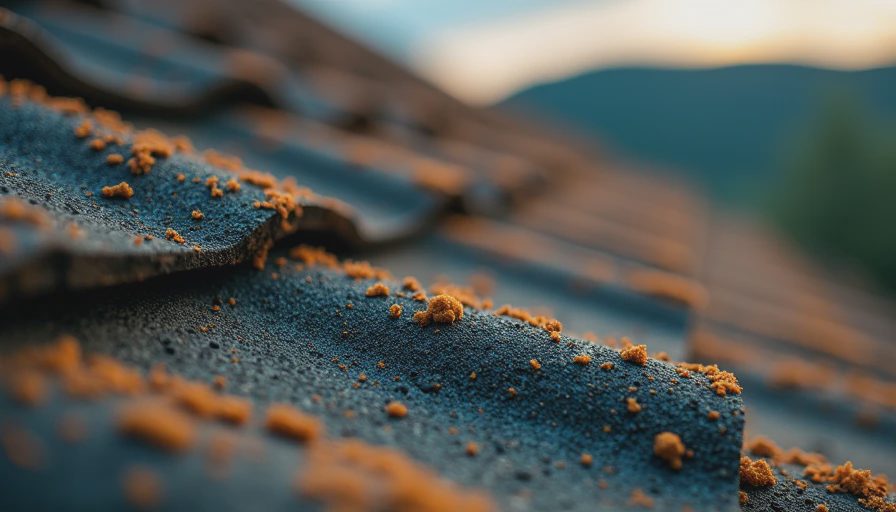
The answer to how long does a roof last depends on the material, installation quality, climate, ventilation, and maintenance. For many U.S. homeowners, a basic asphalt shingle roof lasts about 15 to 25 years. Architectural asphalt shingles can reach 25 to 35 years, while metal, clay tile, concrete tile, and slate may last much longer. Those ranges are useful starting points, but the roof over your house does not follow a guaranteed expiration date.
A roof in a mild, dry climate with proper attic ventilation can outperform the same product installed in a hot, storm-prone area. Likewise, a premium shingle installed over damp decking with poor flashing can fail early. Before comparing warranties, focus on the full roofing system: shingles or panels, underlayment, flashing, ventilation, gutters, fasteners, and workmanship.
Typical Roof Lifespans by Material
How long does a roof last when the material is the main variable? Three-tab asphalt shingles are usually the least expensive option and commonly serve for 15 to 20 years. Architectural shingles are thicker and more dimensional, often lasting 25 to 35 years when installed correctly. Premium designer shingles can have longer rated lifespans, but the higher price does not eliminate installation risk.
Metal roofing typically lasts 40 to 70 years, depending on whether it is standing seam steel, aluminum, or another metal system. It costs more upfront, but it can resist wind, fire, and repeated weather exposure better than many low-cost options. Concrete and clay tile often last 50 years or more, although the underlayment beneath the tile may need replacement sooner. Natural slate can last 75 to 100 years, but it requires specialized installation and a structure capable of supporting its weight.
Wood shakes can last around 20 to 40 years with disciplined maintenance, but moisture, insects, wildfire exposure, and local weather can shorten that range. A material comparison should include repairs, cleaning, structural requirements, and replacement labor rather than focusing only on the advertised service life.
What Shortens a Roof's Life?
Several problems answer how long does a roof last more accurately than the shingle package does. Poor attic ventilation traps heat and moisture, accelerating shingle aging and contributing to wood rot. In winter, inadequate insulation and ventilation can also promote ice dams in colder regions. Those dams allow water to back up beneath shingles and damage roof edges, underlayment, and interior ceilings.
Installation mistakes are another major cause of early failure. Common examples include missing step flashing around sidewalls, exposed fasteners, improperly sealed pipe boots, low-quality underlayment, and shingles installed outside the manufacturer's requirements. A roof can look attractive from the driveway while hidden flashing defects allow slow leaks.
Weather also matters. Hail can bruise asphalt shingles without creating an obvious hole. High winds can lift tabs, bend metal panels, or loosen ridge caps. Constant ultraviolet exposure in hot states dries and weakens roofing materials. Moss and algae are usually cosmetic at first, but heavy moss can hold moisture against the roof surface and interfere with drainage. Tree branches create impact risks and shade that keeps roof surfaces damp.
Signs Your Roof May Need Attention
You do not need to climb onto the roof to begin an inspection. From the ground, look for missing, cracked, curled, or visibly dark shingles. Granules collecting in gutters can indicate surface wear, especially when the amount increases after ordinary rain. Sagging rooflines, exposed underlayment, loose flashing, and damaged vents deserve prompt attention.
Inside the home, check attic rafters and roof decking for daylight, damp insulation, water stains, musty odors, or darkened wood. A ceiling stain does not always appear directly below the leak because water can travel along framing before entering a room. Stains that appear after storms should not be dismissed simply because they dry out.
How long does a roof last after the first warning sign appears? That depends on the defect. A single missing shingle may be a straightforward repair, while widespread granule loss, brittle shingles, repeated leaks, or sagging decking can signal that patching will only delay replacement. Photograph problems from safe locations and have a qualified roofer evaluate the cause.
Maintenance That Can Add Useful Years
Maintenance cannot turn an old roof into a new one, but it can prevent small defects from becoming expensive damage. Arrange a professional inspection after major hail or wind and periodically as the roof approaches its expected service range. A homeowner does not need to wait for an indoor leak before requesting an evaluation.
Keep gutters and downspouts clear so water leaves the roof quickly. Trim branches that scrape shingles or hang over the roof. Replace cracked pipe boots, damaged vent seals, and loose flashing before water reaches the decking. In areas with moss or algae, use a roofing-safe treatment rather than pressure washing, which can strip protective granules and force water beneath shingles.
Do not cover ventilation openings with insulation. Make sure bathroom and kitchen exhaust fans vent outdoors instead of into the attic, where warm moisture can condense on roof framing. These steps are inexpensive compared with replacing rotted decking or repairing stained ceilings. Keep invoices, inspection notes, product information, and photographs in one file; that record helps when comparing bids or filing a legitimate storm-related claim.
Replacement Timing and Budget Planning
How long does a roof last should be connected to a replacement plan, not just a calendar date. If an asphalt roof is 18 years old and shows widespread curling, budget for replacement even if it has not started leaking. Waiting for a major failure can lead to emergency labor, interior damage, damaged insulation, and limited material choices.
For a typical U.S. home, asphalt roof replacement often costs several thousand dollars, with many projects landing roughly between $8,000 and $20,000 depending on size, pitch, tear-off layers, location, and decking repairs. Metal, tile, and slate can cost substantially more, sometimes two or three times the price of basic asphalt. Ask each contractor whether the quote includes tear-off, disposal, permits, flashing replacement, ventilation work, decking allowances, and cleanup.
A low bid can become expensive when it excludes rotten wood, chimney flashing, ice-and-water protection, or required ventilation. Request at least three detailed estimates and compare the scope line by line. The best quote is not necessarily the cheapest; it is the one that clearly explains what protects the roof after the crew leaves.
How to Choose a Roofing Contractor
When deciding how long does a roof last in your situation, the contractor may matter as much as the product. Look for an established local business with general liability insurance, workers' compensation coverage, verifiable references, and a written contract. Manufacturer certifications can be useful, but they do not replace licensing, experience, or careful supervision.
Ask who will perform the work, how many layers will be removed, how the crew handles unexpected decking damage, and what inspection occurs before installation begins. Confirm that flashing around walls, chimneys, skylights, and vents will be replaced or properly integrated rather than simply covered. Payment schedules should not require the entire balance before work is complete.
A strong installation starts with dry, sound decking and correct underlayment. It continues with accurate fastener placement, aligned courses, sealed penetrations, adequate ventilation, and a thorough cleanup. If the proposal is vague about these details, keep comparing. Material quality matters, but workmanship determines whether the material can approach its expected lifespan.
The practical answer to how long does a roof last is usually a range, not a promise. Asphalt may serve two decades, while metal or tile may protect a home for half a century or more. Inspect the roof, control moisture, repair small defects, and plan financially before failure becomes an emergency. When you are ready to compare options, use detailed quotes that show both the upfront price and the likely maintenance and replacement timeline.
Keep Reading
Moss, Algae, and Debris: Quiet Problems That Shorten Roof Life
Moss, algae, and accumulated debris hold moisture against asphalt shingles, acce...
How to Prepare Your Home for a Roof Replacement
A smooth roof replacement depends on more than the crew. Clearing access, protec...
How Long Does an Asphalt Shingle Roof Really Last?
Manufacturer ratings of 25 or 30 years rarely match real-world results. Most arc...
Owner Letters
0 lettersNo letters yet — be the first to write one.